
Last updated November 2, 2026
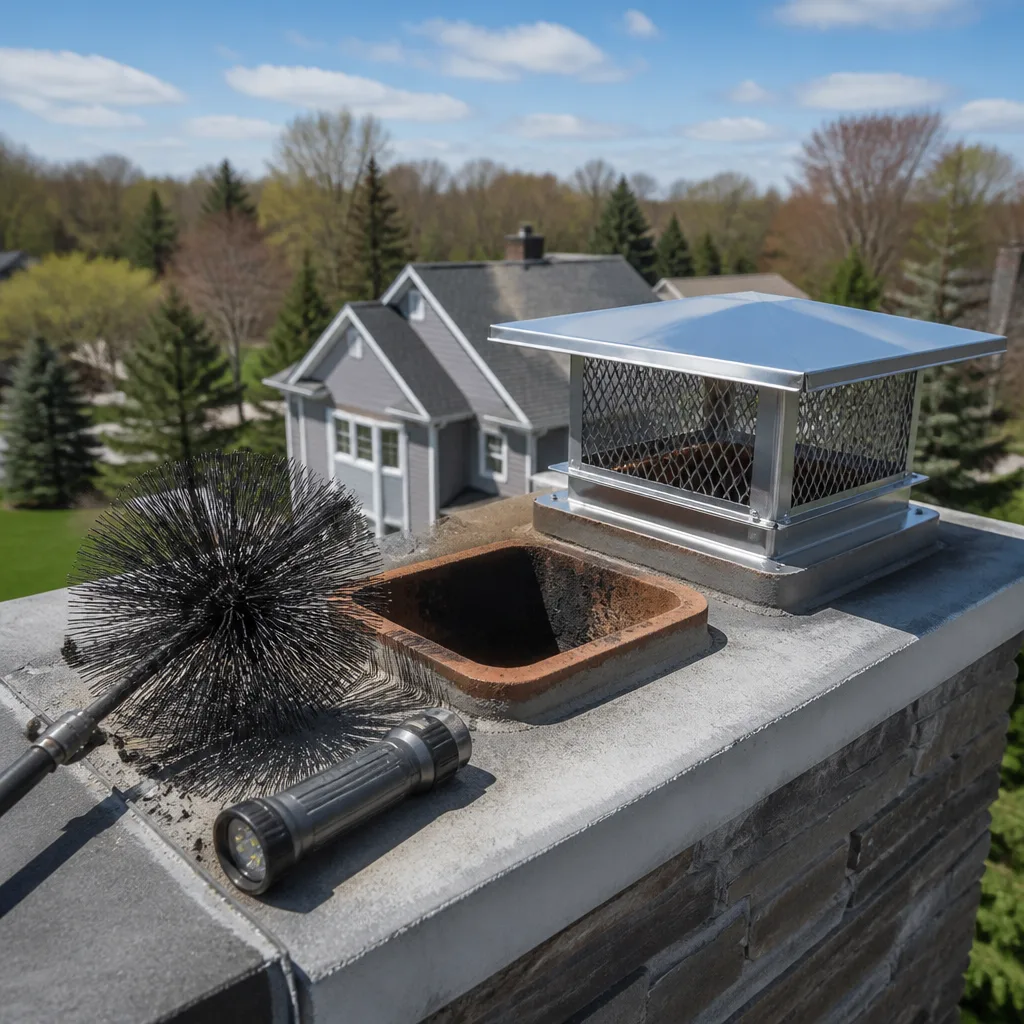 Sweep & inspection
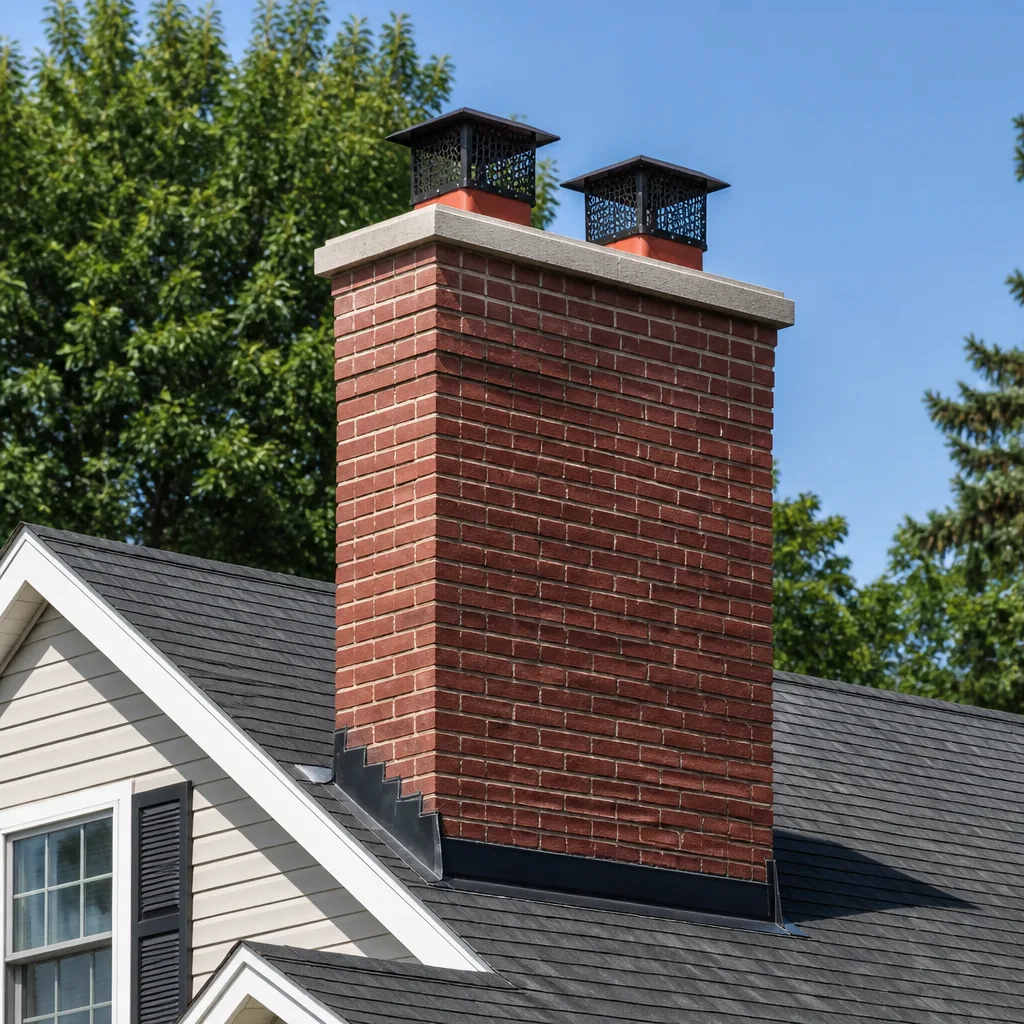 Caps & crowns
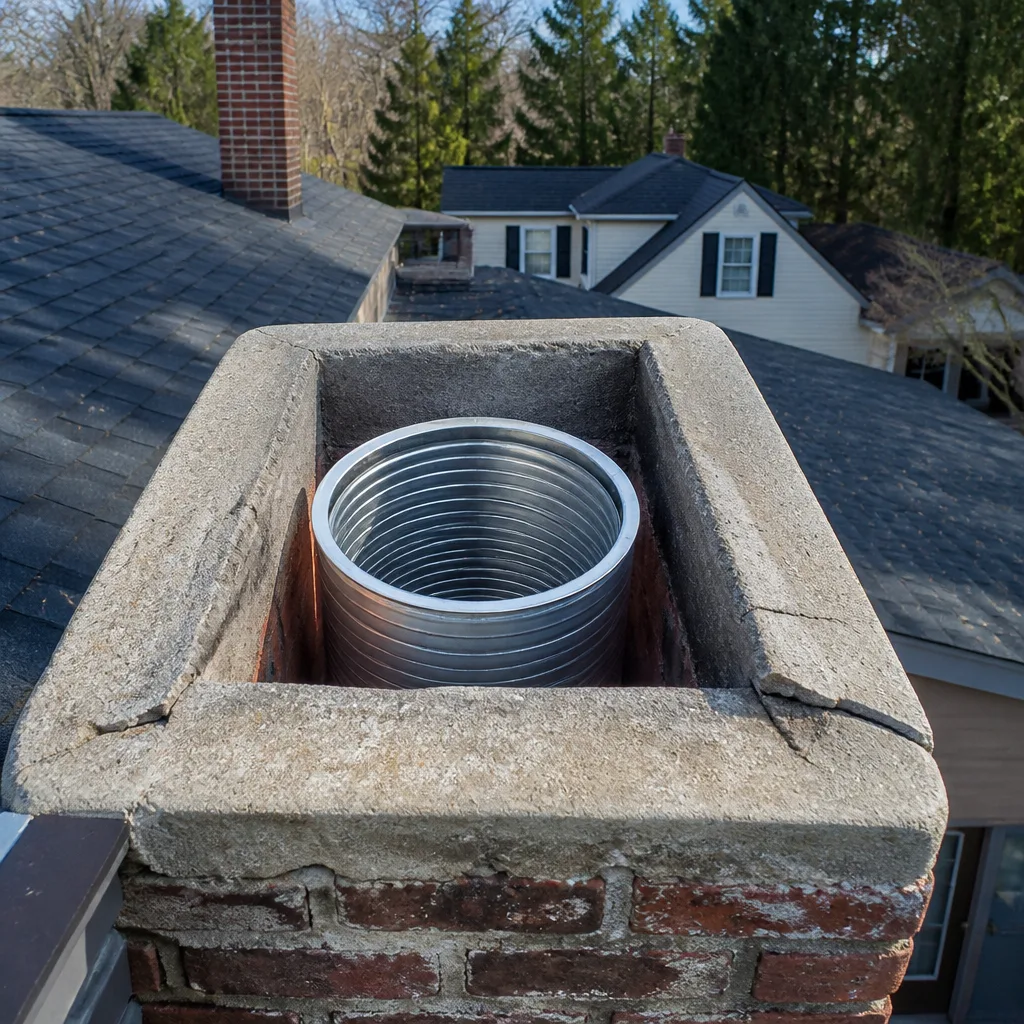 Flue relining
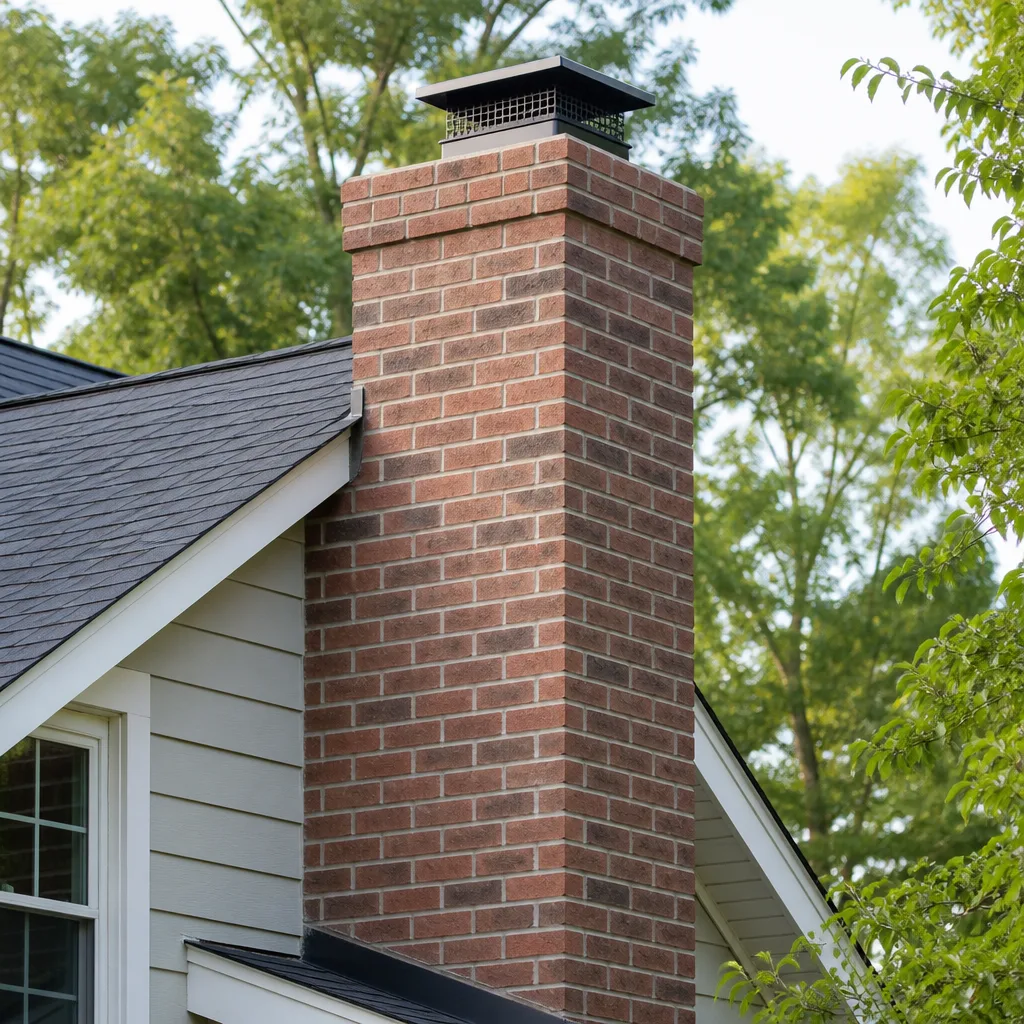 Masonry repair
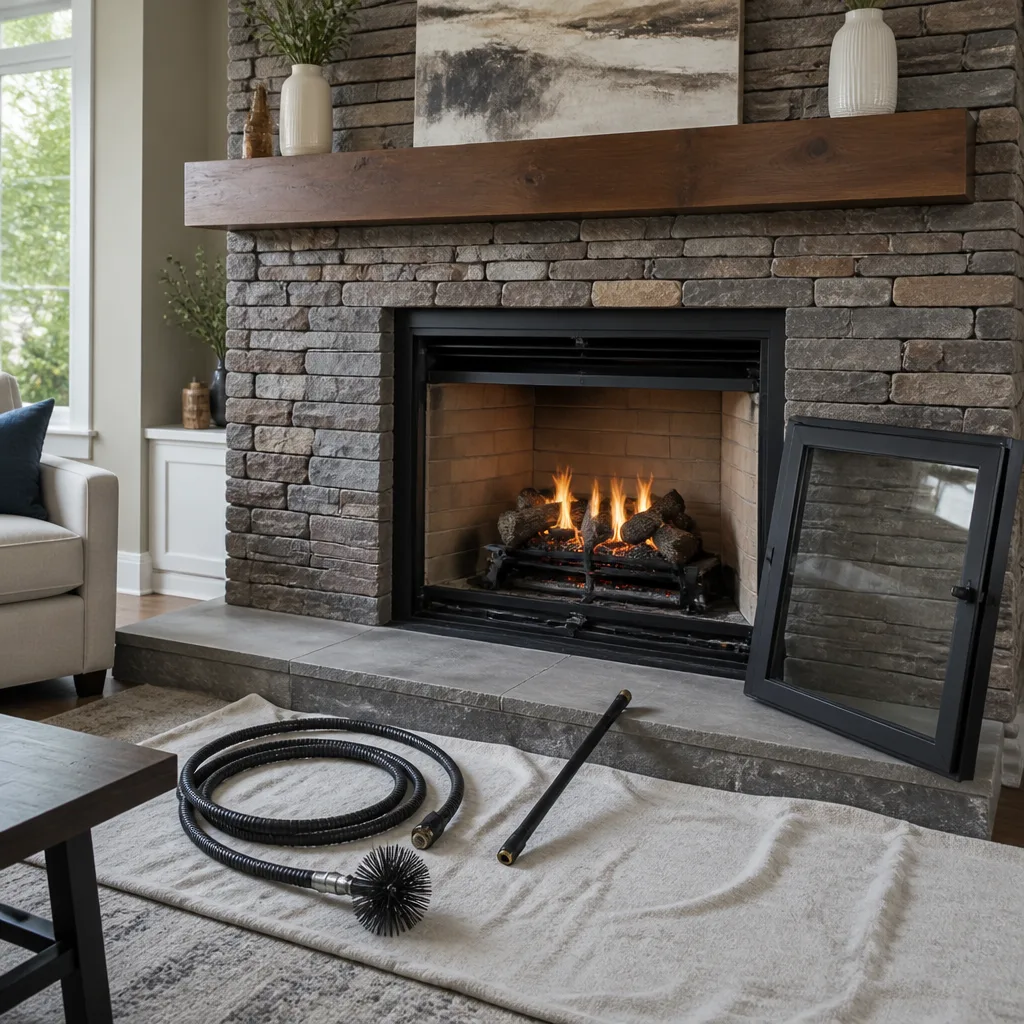 Gas fireplace service
Level 1 sweep and inspection to the NFPA 211 annual standard - flue, crown, cap, and flashing checked and photographed
Chimney sweep logs do not sweep chimneys. They loosen some creosote - which then falls where a brush and vacuum still have to collect it.
Chimney Cleaning Permits, Codes & Inspections in CA: What You Need to Know
A flue liner replacement in California is a structural alteration, and if it was done without a permit, your home inspector will find it when you sell. That’s the sentence most chimney cleaning companies in Berryessa never say out loud, because it complicates the sales pitch. But the line between routine maintenance and regulated construction is not that hard to draw once you understand the California Residential Code, NFPA 211, and how Santa Clara County enforces both of them. This guide walks through exactly which chimney services need permits, which don’t, what an inspection actually documents, and how to check whether previous work on your home left a permit history problem waiting to surface at the worst possible time. For more guides & resources, see our blog.
Quick Answer
Routine chimney sweeping and Level 1 inspections do not require a permit anywhere in California, including Berryessa. A permit is required when the work qualifies as a structural or system alteration under the California Residential Code, which most commonly means flue liner replacement or installation, firebox reconstruction, or any modification to the chimney’s structure. When in doubt, the authority having jurisdiction (AHJ), which for Berryessa means Santa Clara County building officials, decides whether a permit applies to your specific job.
Styles & brands we work with
- Sweep & inspection
- Caps & crowns
- Flue relining
- Masonry repair
- Gas fireplace service
Table of Contents
- When a Permit Is Required for Chimney Work in California
- When No Permit Is Needed: Sweeps, Caps, and Routine Service
- How Santa Clara County and Berryessa Jurisdiction Affects Your Chimney
- NFPA 211 and the California Fire Code: The Standards Behind the Rules
- Level 1 vs. Level 2 vs. Level 3 Inspections: What the Documentation Protects
- The Permit History Risk: Unpermitted Work and the Resale Trap
- What a Permitted Chimney Repair Actually Looks Like, Step by Step
When a Permit Is Required for Chimney Work in California
The California Residential Code (CRC) governs single-family homes, townhouses, and some duplexes. Under the CRC, a building permit is required for any work that alters a structure’s structural components, fire-resistance-rated assembly, or mechanical system. A chimney is all three at once. It carries structural load, it penetrates fire-rated ceiling and roof assemblies, and it vents combustion gases as a mechanical system. That’s why the permit trigger is not whether the work is “major” in your eyes, it’s whether the work changes the system’s materials, dimensions, or configuration.
Specifically, the following chimney projects in Berryessa and the rest of California require a building permit:
- Flue liner replacement or installation. This includes stainless steel systems such as DuraFlex chimney liners, poured-in-place liners, and traditional clay tile relining. Swapping a liner changes the flue’s cross-sectional area, material, and clearance-to-combustibles characteristics. That’s a system alteration, not maintenance.
- Firebox reconstruction. If the firebox masonry is rebuilt, the smoke chamber reconfigured, or the damper throat altered, the combustion chamber’s dimensions have changed. That triggers review under CRC Chapter 10.
- Structural masonry repair beyond surface repointing. Rebuilding a chimney crown, replacing spalled brick in load-bearing areas, or any repair that requires removing more than 50% of the chimney’s masonry cross-section in a given plane is structural.
- Installing a chimney where none existed. New fireplace construction, adding a wood stove, or adding a gas appliance vent into an existing masonry chase.
- Converting one fuel type to another. Going from wood to gas means adding a gas line, changing the venting requirements, and possibly changing the flue size. Even if the chimney itself is untouched, the conversion requires mechanical and plumbing permits.
In our experience working with Berryessa homeowners, the most common surprise is liner work. Someone is told during a sweep that their terra cotta flue is cracked, and they get a quote for a stainless liner. The contractor says it’s a “repair” and doesn’t mention permits. Five years later, the home is under contract, and the buyer’s inspector pulls the permit record. That’s a five-figure problem at a closing table.
When No Permit Is Needed: Sweeps, Caps, and Routine Service
Routine chimney sweeping is exempt from permit requirements across California. The CRC does not consider cleaning a structural alteration. Neither the firebox nor the flue’s geometry changes when you remove creosote and soot. The same goes for a standard Level 1 chimney inspection, which is a visual and basic internal examination performed with a camera or mirror. The chimney is observed, not modified.
Here’s the full list of chimney services that do NOT require a permit in Berryessa:
- Chimney sweeping and creosote removal. This is maintenance. It does not change the flue, the masonry, or the venting system’s configuration.
- Standard camera inspection and report. Inserting a camera into the flue to document damage does not alter anything. The photo and video record becomes your paper trail.
- Chimney cap installation or replacement. A cap mounts to the chimney crown’s top surface and does not alter the flue’s structure, though it changes draft characteristics. Even when cap installation involves drilling into the crown, the anchors are above the bond beam and outside the structural flue. Most California jurisdictions, including Santa Clara County, treat this as accessory installation.
- Surface repointing (tuckpointing). Grinding out deteriorated mortar joints to a shallow depth and refilling them with new mortar is considered maintenance when the brickwork’s structural capacity is unchanged. The line is typically around one-third of the masonry thickness. Beyond that, it becomes structural repair requiring a permit.
- Replacing a damper. If the existing damper opening stays the same size and the mounting location is unchanged, the damper is an accessory component. No permit is needed to swap a throat damper or install a top-sealing damper in the same flue opening.
- Dryer vent cleaning. This is a maintenance task that doesn’t touch the chimney system at all, so no building permit applies. Our dryer vent cleaning in Berryessa is usually scheduled alongside a chimney sweep or as a standalone visit. Both are permit-exempt maintenance.
The practical takeaway: if the work is removing material that shouldn’t be there (creosote, soot, lint) or documenting what’s already there, no permit is required. The moment the technician modifies the system, the permit question becomes live.
How Santa Clara County and Berryessa Jurisdiction Affects Your Chimney
Berryessa falls under Santa Clara County’s unincorporated jurisdiction, meaning the County of Santa Clara Department of Planning and Building is the AHJ. That phrase, “authority having jurisdiction,” shows up in every code discussion, fire inspection, and home sale disclosure. It simply means the government office that has legal authority to enforce building and fire codes in a specific location. In Berryessa, that’s Santa Clara County, not the City of San Jose, which has its own building department for incorporated areas.
Why does that matter in practice? Because Santa Clara County applies the California codes with specific local amendments, and their inspection process, permit fees, and documentation thresholds can differ fromSan Jose’s. A Berryessa homeowner calling a San Jose chimney company might get advice about San Jose permit requirements, which are similar but not identical in fee structure and inspection scheduling. That’s worth remembering when you’re comparing quotes.
When you apply for a chimney liner permit in Santa Clara County, expect these steps:
- Submit a building permit application with a scope of work description. For liner replacement, the county typically wants to see the manufacturer’s listing (UL 1777 for stainless liners), the liner’s diameter, and the fuel type it will serve.
- Pay the plan check and permit fee. County fees are based on valuation of the work. A typical stainless liner replacement runs between $1,800 and $3,500 in Berryessa, and the permit fee is a percentage of that valuation.
- Schedule an inspection. The county inspector will verify the liner is installed per the manufacturer’s listing and that clearances to combustibles are maintained. The inspector will not be verifying brand names or cleaning work, they will be checking that the installation meets code.
- Receive final sign-off. The approved inspection is the document that closes the permit. Keep that record. It matters for resale.
One thing Berryessa homeowners ask us about often: “Do I need a permit if the repair is done from inside the house and doesn’t touch the roof?” The answer depends on what the repair actually is. Parging a smoke chamber from inside the firebox with HeatShield resurfacing material is a surface application that some jurisdictions classify as maintenance and others as a repair, depending on whether the material changes the smoke chamber’s dimensions. In Santa Clara County, our experience is that surface-applied resurfacing that does not change dimensions is treated as maintenance, but adding a new bonded liner inside the existing flue always triggers the permit requirement. When we’re doing repair work in Berryessa, we verify the classification with the county before work starts so the homeowner isn’t surprised.
NFPA 211 and the California Fire Code: The Standards Behind the Rules
NFPA 211 is the National Fire Protection Association’s Standard for Chimneys, Fireplaces, Vents, and Solid Fuel-Burning Appliances. It is the default design and maintenance standard for every residential chimney in the United States, and the California Fire Code adopts it by reference for many provisions. When a Santa Clara County building inspector signs off on a chimney repair, they are often checking compliance against NFPA 211 requirements, even when those requirements are not in the building code itself.
The practical points of NFPA 211 that affect Berryessa homeowners:
- Chimney inspection frequency. NFPA 211 says chimneys should be inspected at least once per year, and cleaned when any appreciable creosote accumulation is found. That’s the standard that a home insurance adjuster may cite if a chimney fire claim shows no inspection history.
- Creosote removal threshold. NFPA 211 says the chimney should be cleaned when creosote buildup reaches 1/8 inch. That’s less than most homeowners think. A professional sweep in Berryessa measures this during the cleaning and tells you whether you’re above or below the threshold.
- Clearance to combustibles. NFPA 211 sets specific minimum distances between the exterior of a masonry chimney and any combustible framing, insulation, or siding. For an interior masonry chimney, the typical minimum is 2 inches of clearance. For factory-built chimneys, the listing controls. When liners are installed, they must meet the listed clearances, which is exactly what a county inspector verifies.
- Level 2 inspection triggers. NFPA 211 says a Level 2 inspection is required whenever there is a change in fuel type, a real estate transfer, an operating malfunction, or after a chimney fire. This is not a permit requirement, but it’s an industry standard that home inspectors, insurance companies, and real estate attorneys all reference.
The California Fire Code adds specific requirements for solid fuel appliances, including spark arrestors on chimneys in wildfire-prone areas, which includes much of Santa Clara County’s hillside terrain. If you live in a Berryessa property near open space or in a designated Wildland-Urban Interface zone, your chimney may require a specific spark arrestor mesh size regardless of what was installed when the home was built. That’s a code item that comes up during resale disclosures and sometimes during wildfire season defensible space inspections.
Level 1 vs. Level 2 vs. Level 3 Inspections: What the Documentation Protects
A Level 1 inspection is what happens during a routine sweep. The technician examines the readily accessible areas: the firebox, the damper, the smoke chamber, and the flue’s interior using a camera or mirror. The deliverable is typically a brief written report noting creosote levels, obvious defects, and whether further inspection is warranted. No permit is involved. This is the annual maintenance baseline.
A Level 2 inspection is more comprehensive and is specifically designed for real estate transactions, after operational changes, or after a chimney fire. It includes everything in a Level 1, plus:
- Inspection of the accessible portion of the exterior chimney, including the crown, cap, flashings, and masonry condition.
- Inspection of the attic, crawl space, or other concealed areas where the chimney passes through the structure.
- Internal camera inspection of the entire flue to document cracks, spalling, previous liner repairs, and clearances.
The deliverable is a written report with photo or video evidence. This documentation is what protects you during a home sale. If you’re selling a Berryessa home and the buyer’s inspector says the chimney looks questionable, a recent Level 2 report from a qualified chimney company counters with evidence. If the buyer claims there’s an unpermitted alteration, your Level 2 report documents exactly what was found and when. In insurance claims after a chimney fire, the Level 2 report establishes whether the fire began from a maintenance failure or a system failure under normal use.
A Level 3 inspection is destructive. It involves removing building components, masonry, or a portion of the chimney to access hidden areas. Level 3 inspections are rare in routine practice and are usually ordered by a structural engineer, an insurance investigator, or a building department. They require access openings large enough that a permit is typically involved for the access work itself.
For Berryessa homeowners, the practical rule is: a Level 1 inspection during your annual sweep is your maintenance baseline, and a Level 2 before you buy or sell is your documentation baseline. Our company performs both, and we’re clear about which one you need for the situation. We don’t upsell a Level 2 when a Level 1 is what the situation calls for.
The Permit History Risk: Unpermitted Work and the Resale Trap
California real estate disclosure law (Civil Code Section 1102) requires sellers to disclose known material facts about the property, including unpermitted work. But here’s the uncomfortable reality: many homeowners simply don’t know that the liner was replaced without a permit. The work was done years ago by a previous owner, or it was done by a company that said a permit wasn’t necessary. The seller doesn’t disclose because they don’t know. Then the buyer’s home inspector finds the evidence, and the transaction gets complicated.
How to check whether previous chimney work on your Berryessa home was permitted:
- Pull the building permit history from Santa Clara County. The county maintains online permit records for unincorporated areas. Search your address and look for permits tied to chimney, fireplace, or mechanical work. If a liner replacement was permitted, there will be a permit record with final inspection sign-off.
- Look at the liner itself. A stainless steel liner that is fully listed and installed per manufacturer specifications will have a visible sticker or label at the top or in the firebox. If the liner looks new but the label is missing, that’s a red flag. Manufacturers like Olympia Chimney and DuraFlex label their listed liners as part of the UL 1777 listing.
- Ask for the previous owner’s disclosures. If the seller disclosed a chimney repair, the disclosure may say whether permits were pulled. If the disclosure is silent, don’t assume. Ask.
- If the documentation is missing, budget for a Level 2 inspection before listing the home for sale. A clean Level 2 report from a chimney company with documented credentials helps, but it does not cure the permit issue. Only a retroactive permit can do that.
Here’s what to do if you discover unpermitted chimney work on your Berryessa property:
- Don’t panic and don’t hide it. Sellers who knowingly conceal unpermitted work can face rescission of the sale or damages. Disclosure is the safer path.
- Contact Santa Clara County Building Department. Ask about the process for a “retroactive permit” or “permit after the fact.” Counties in California have this process precisely because unpermitted work is common.
- Be prepared for an inspection. The county will want the liner’s listing, installation access, and clearances verified. If the installation was done correctly, the retroactive permit is straightforward. If it wasn’t, you may need correction work.
- Factor the cost into the sale. A retroactive permit in Santa Clara County for a liner replacement typically runs in the $300 to $700 range for fees and inspections. Correction work, if needed, is obviously more.
This is exactly the situation where the company that did the original work matters. If the previous owner can’t tell you who installed the liner, and there’s no label, and the permit record is silent, you’re flying blind. Our advice to any Berryessa homeowner in that position is to schedule a Level 2 inspection and get clear on what you have before it becomes a transaction problem. We can tell you what we find, and we can fix what needs fixing. That’s the full-service loop that most chimney-only companies can’t close.
What a Permitted Chimney Repair Actually Looks Like, Step by Step
Let’s walk through a concrete example from Berryessa. A homeowner calls us because they had a chimney fire, or because their annual inspection found cracked terra cotta tiles in the flue. The repair requires a stainless steel liner. Here’s the process when permits are handled correctly:
- Assessment and quote. We perform the inspection, take measurements of the flue, and document the damage with photos and video. The quote specifies the liner system (a UL-listed product such as DuraFlex), the diameter, the height, and the scope of any associated work like crown repair or cap replacement.
- Permit application. We file the building permit application with Santa Clara County. The application describes the work and includes the liner’s UL listing information, the host chimney’s construction type, and the fuel type. The county reviews the application and issues the permit.
- Installation. The liner is installed through the top of the chimney or through the firebox, depending on access. The technician connects the liner to the appliance or fireplace, secures the top plate, and installs a listed cap. If the firebox needs repair, that work happens at the same time.
- Inspection by the county. The inspector verifies that the liner matches the permit, that the label is present (required by UL 1777), that clearances to combustibles are satisfied, and that the installation matches the manufacturer’s listing. The inspector signs off or issues corrections.
- Final approval and documentation. The final inspection sign-off closes the permit. The homeowner keeps the record. If the home is sold later, this is the paper trail that keeps the transaction clean.
The difference between this process and an unpermitted one is not the quality of the liner. It’s the documentation. A well-installed liner with no permit and no final inspection is a problem. A mediocre liner with a clean permit record is legally sound but functionally risky. Both matter. Do the work right, and document it. That’s the entire point of the permit system.
One thing we tell every Berryessa client: the permit is not optional because we say so. It’s required because the California Residential Code says so, and because Santa Clara County enforces it. If a contractor tells you a liner doesn’t need a permit, ask them to put that in writing with their license number on it. Most won’t, because they know it’s not true. A state-licensed contractor who understands the code will never tell you to skip a permit on liner work.
Common Mistakes to Avoid
- Assuming all chimney work is permit-exempt. The most expensive mistake we see. Sweeping and inspection are exempt. Liner replacement is not. If you’re not sure, call Santa Clara County Building Department and ask. A five-minute phone call saves a five-figure resale problem.
- Letting a contractor talk you out of a permit. A contractor who says “we don’t need a permit for this liner” is either uninformed or avoiding the inspection. Neither is a reason to trust the work. Get a second opinion from a company that works with listed systems like DuraFlex and knows the local AHJ.
- Confusing a Level 1 inspection with a full system review. A standard sweep is not designed to document concealed damage. If you’re buying, selling, or haven’t had a thorough inspection in years, get a Level 2. The documentation difference is what protects you.
- Ignoring the permit history on a home you’re buying. Before you close, pull the permit record from Santa Clara County for the address. If there’s chimney work with no permit, negotiate the remediation before close. After close, it’s your problem.
- Treating a chimney cap as an automatic draft solution. A cap alone won’t fix draft or moisture problems. Caps change air pressure at the flue exit. They don’t fix liner damage, smoke chamber problems, or masonry moisture intrusion. We use caps from manufacturers like Olympia Chimney and Copperfield because they’re listed and predictable, but we’re clear about what a cap will and won’t do.
- Deferring maintenance until a smell or smoke problem appears. By the time you notice smoke backing into the room or a persistent odor, the creosote buildup is already at a level that NFPA 211 considers hazardous. Annual inspection is the standard, and it’s cheaper than a chimney fire.
- Hiring a chimney company that can’t repair what it finds. If the technician finds a cracked flue and hands you a report telling you to “find a contractor,” you now have two scheduling problems and no accountability. Our company sweeps, inspects, and repairs under the same roof, including liner systems and HeatShield resurfacing, so a finding leads to a fix, not a referral runaround.
See the difference
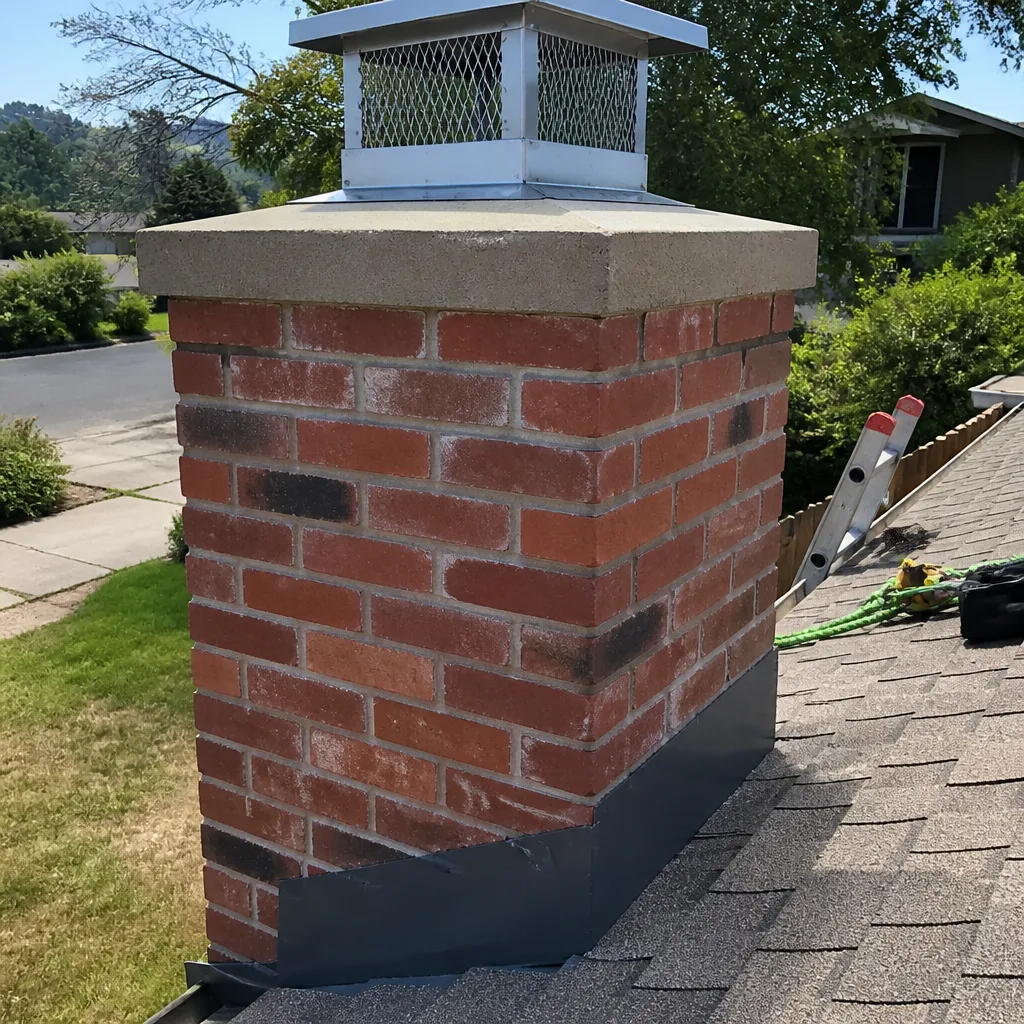
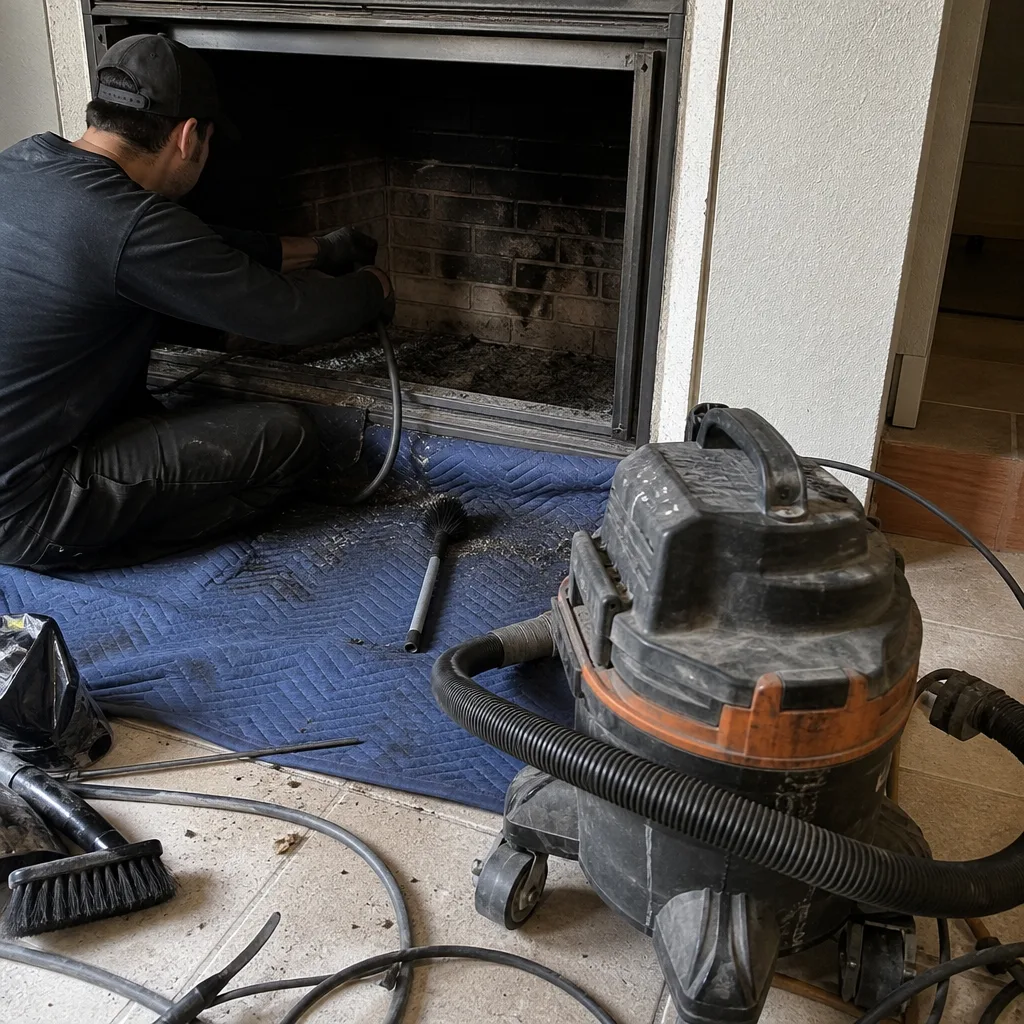 Before
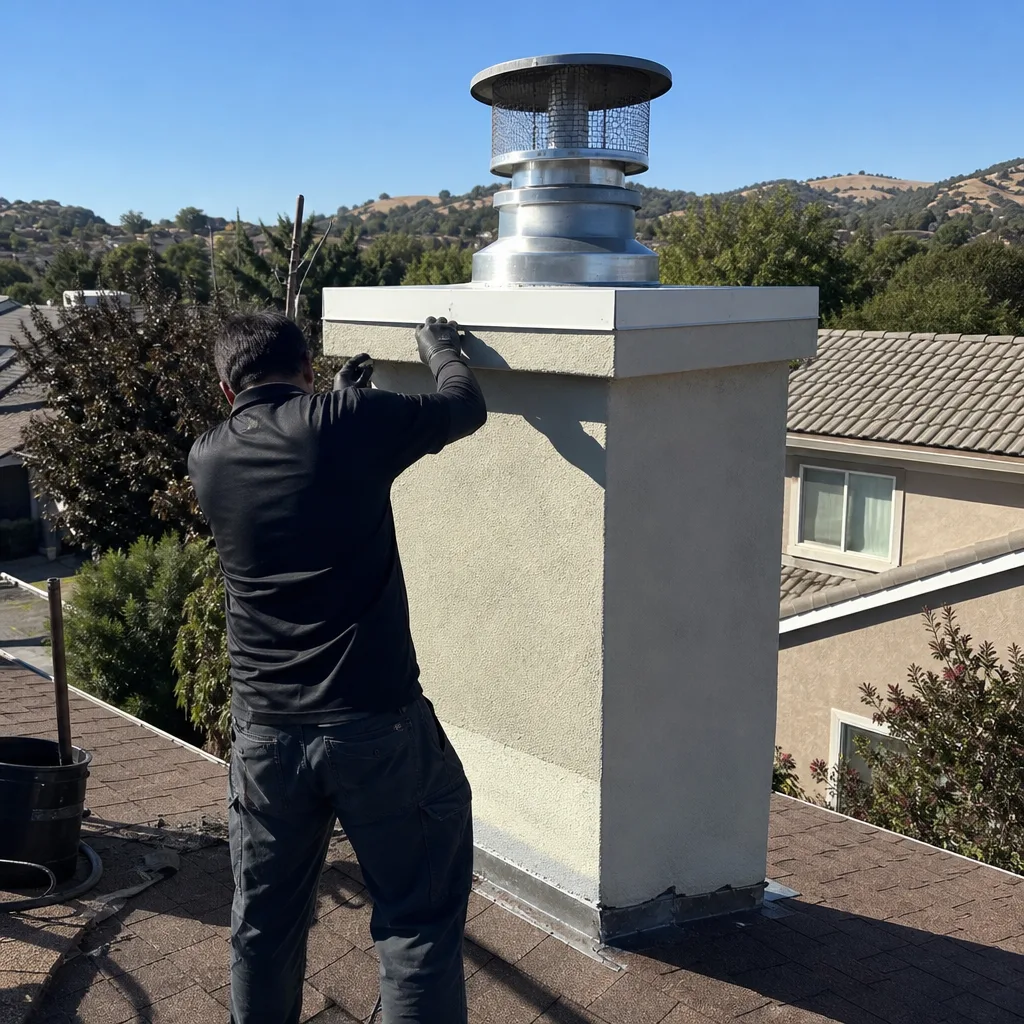 After
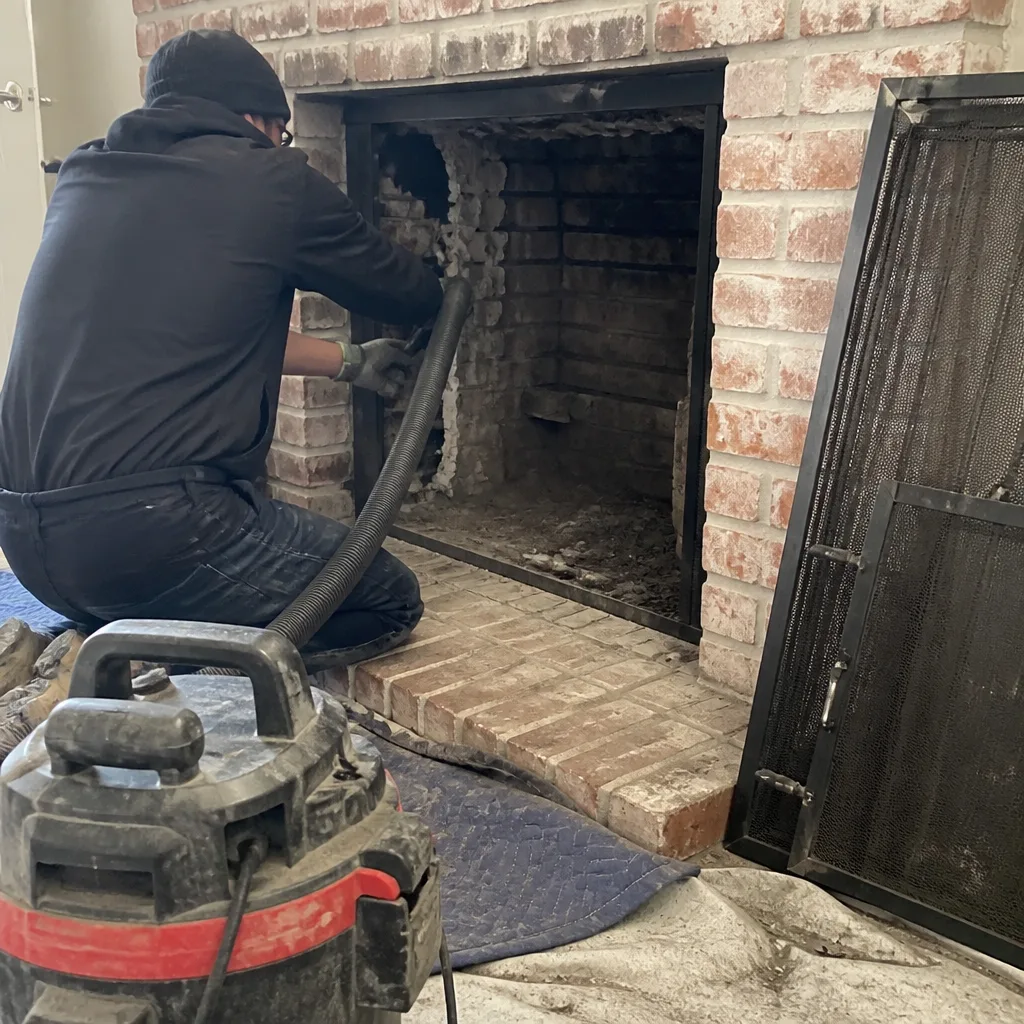
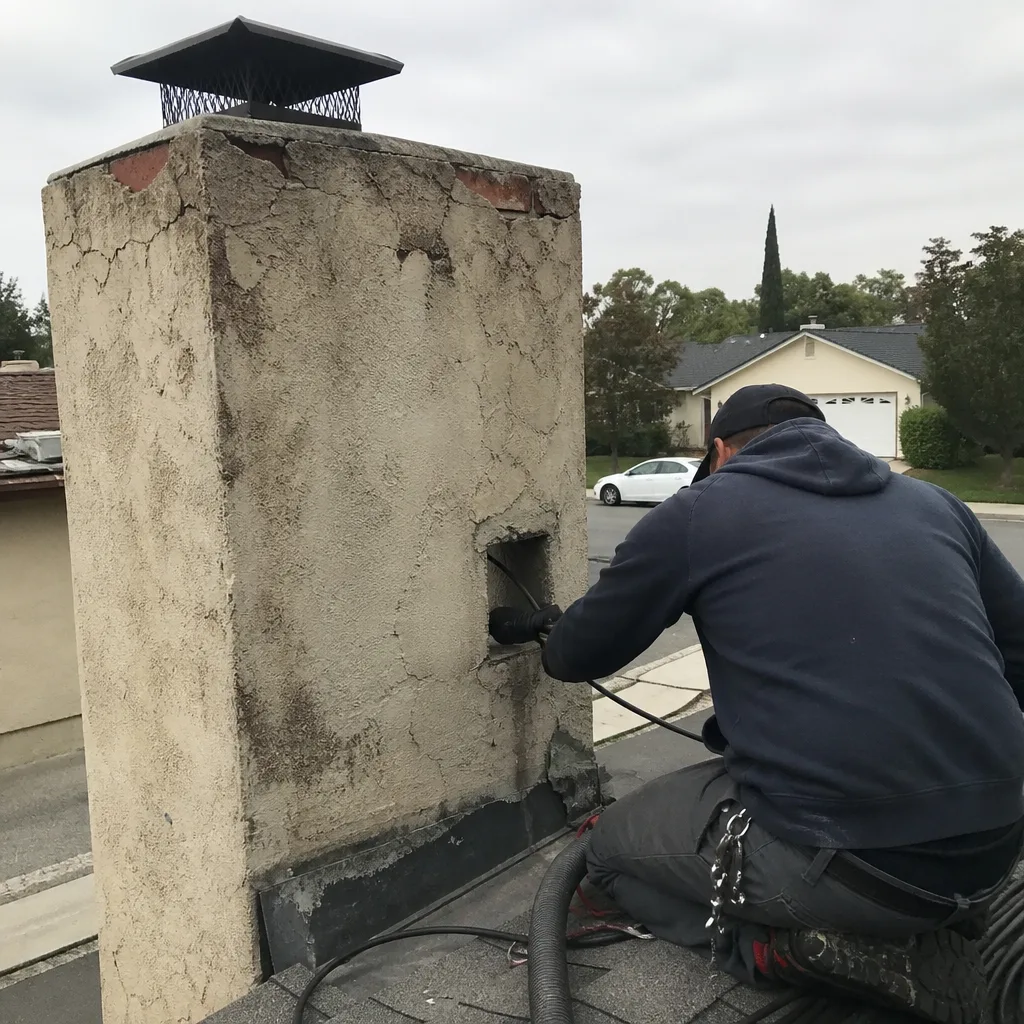 Before
 After
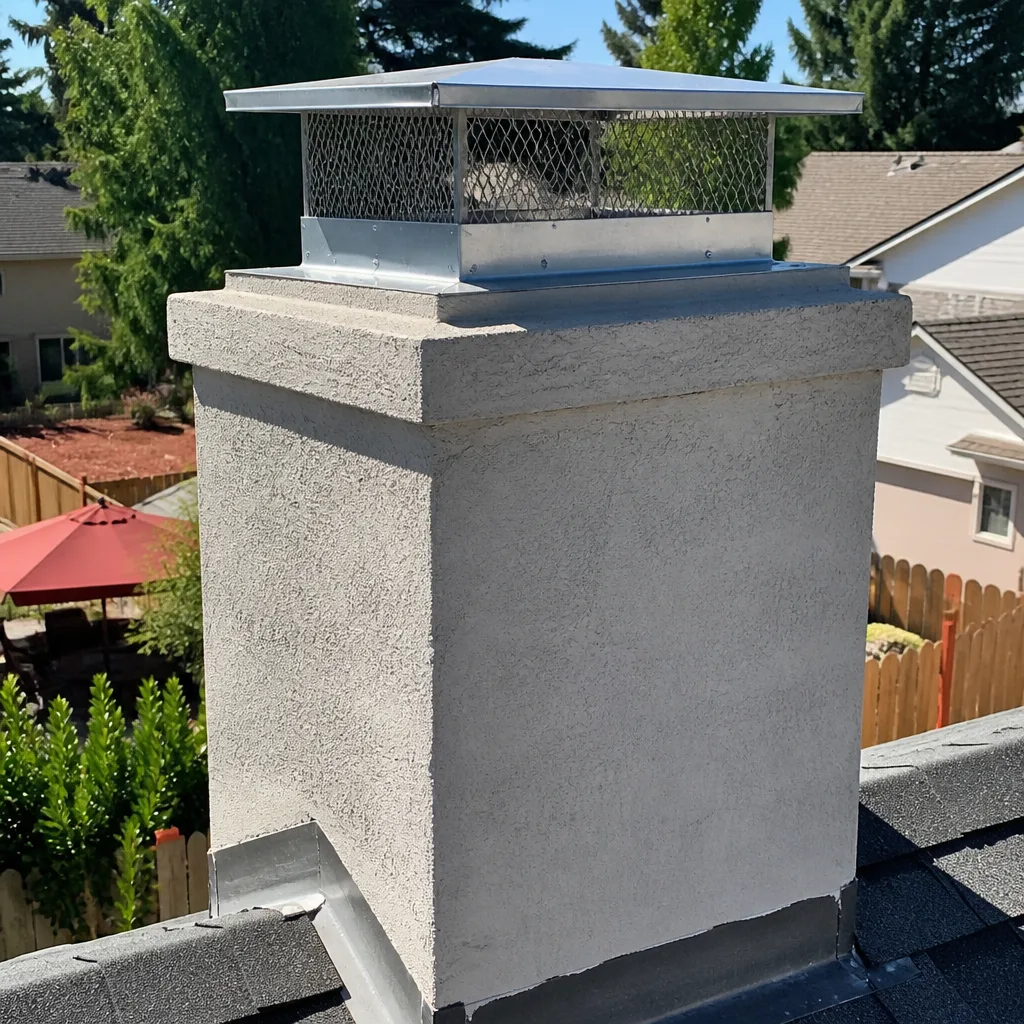
 Before
 After
When to Call a Professional
Call a chimney specialist when you see flaking masonry, white staining on the exterior brick, a strong odor inside the house, or smoke entering the room during use. Any one of these is a warning sign that a Level 2 inspection is overdue. If you’re buying or selling a Berryessa home, call before the inspection period closes. If it’s been more than a year since your last sweep, or you just moved in and have no idea about the chimney’s history, that’s the call to make now. A neglected chimney is a fire hazard that compounds silently, and a liner problem caught early is a repair bill, not a retrofit emergency. Chimney Sweep Berryessa home services include full chimney sweeping, Level 1 and Level 2 inspections, repair, and chimney repair in Berryessa. Call (877) 610-3049 for a free estimate. We’ll tell you what we find, and we’ll fix what needs fixing.
Frequently Asked Questions
No. Routine chimney sweeping and creosote removal are considered maintenance and do not require a permit anywhere in California, including Berryessa. The exemption applies as long as the work does not alter the flue’s structure, materials, or configuration. If your sweep reveals damage that requires liner work, that repair is a separate permit-requiring project.
A standard chimney sweep in Berryessa typically runs between $180 and $340, depending on the height, accessibility, and how much creosote has accumulated. If the chimney is heavily clogged or has never been serviced, the price can be higher because the work takes longer. Call (877) 610-3049 for an exact quote, estimates are free.
Yes. A stainless steel liner installation such as a DuraFlex system changes the flue’s material and dimensions, which is a building system alteration under the California Residential Code. Santa Clara County requires a building permit with a final inspection. Any contractor who says otherwise is wrong, and the missing permit will surface at resale. A Level 2 inspection is the first step to document the condition of your existing flue before deciding on liner work.
The NFPA 211 standard says chimneys should be inspected at least once per year and cleaned whenever creosote buildup reaches 1/8 inch. For most Berryessa homes that burn wood regularly, that means a sweep each fall before the burning season. Homes that burn infrequently can sometimes go 18 months, but the annual inspection is still the baseline because it catches moisture intrusion, animal nests, and structural issues before they become hazards.
Creosote accumulates as a hard, glossy, highly flammable layer inside the flue. When it reaches a certain thickness, a hot fire can ignite it, and a chimney fire can reach temperatures high enough to crack flue tiles and spread into the framing. The damage is often invisible from inside the house, which is why a Level 2 inspection is recommended after any suspected chimney fire. If you’ve skipped maintenance for a year or more, schedule a sweep and inspection before lighting your next fire. Call (877) 610-3049 to book an appointment.
Almost always. Converting a wood-burning fireplace to gas involves a gas line, a listed gas log set or insert, and changes to the venting system, each of which triggers mechanical, plumbing, and building permits in Santa Clara County. The conversion also requires a Level 2 inspection under NFPA 211, because a fuel type change is an operational change. If a previous owner converted the fireplace without permits, the same resale risk applies as with unpermitted liner work.
The Bottom Line
The line between maintenance and regulated construction in California is clear once you know where it sits: sweeping, inspection, cap installation, and surface repointing don’t need permits. Liner replacement, firebox rebuilds, structural masonry work, and fuel conversions do. When permits are required, they’re not optional, and the bill comes due at resale if you skip them. Berryessa homeowners answer to Santa Clara County as the AHJ, and that office’s permit record is the documentation that keeps a sale clean. Schedule your annual sweep, get a Level 2 inspection before buying or selling, and use a chimney company that repairs what it finds. The safest flue is the one that’s documented.
Written by the team at Chimney Sweep Berryessa, serving Berryessa since 2013.