
Last updated November 2, 2026
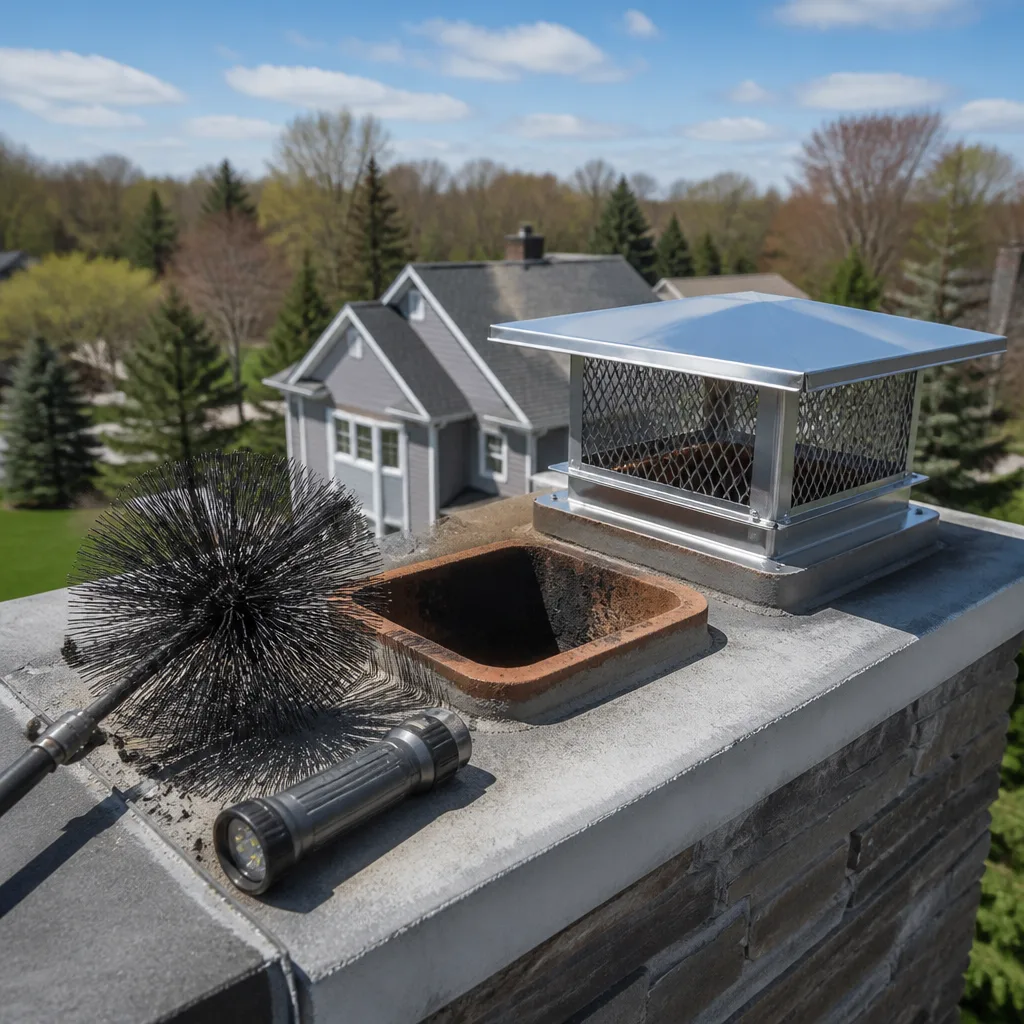 Sweep & inspection
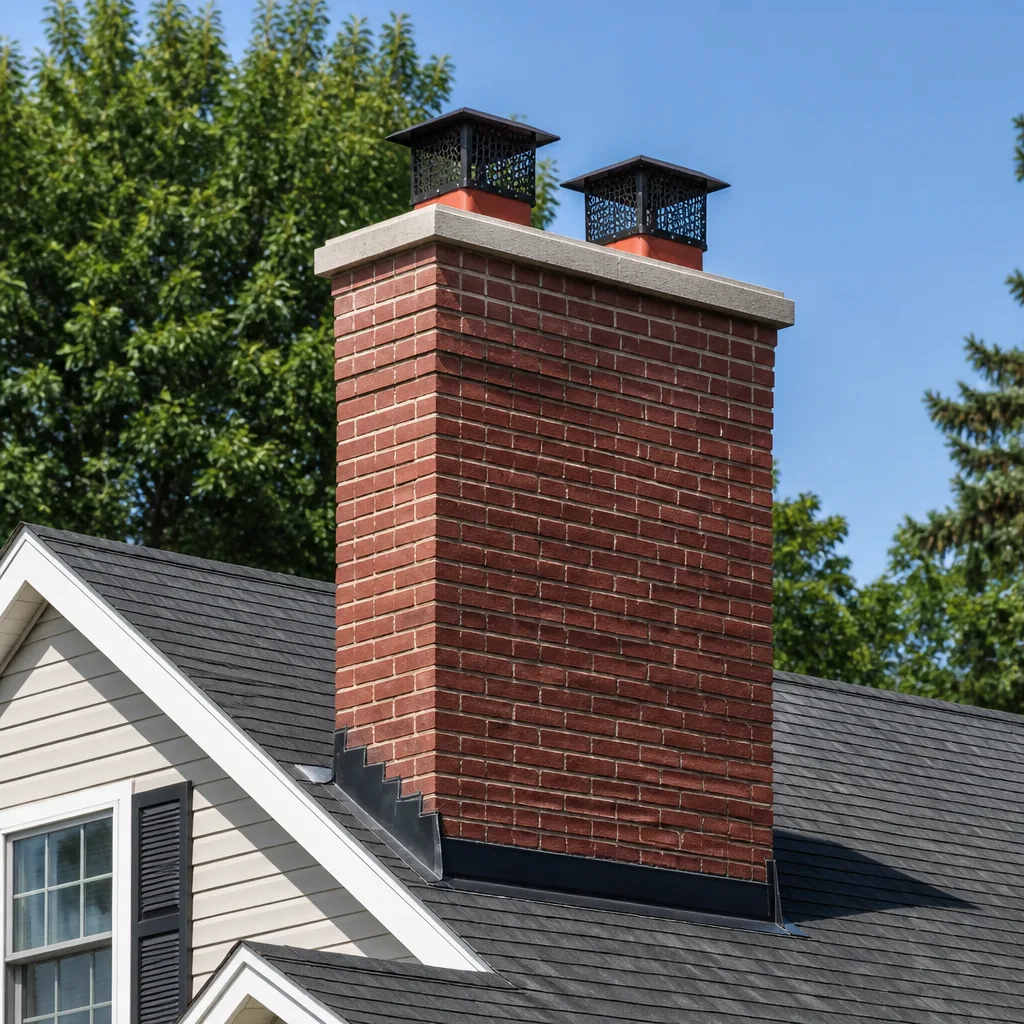 Caps & crowns
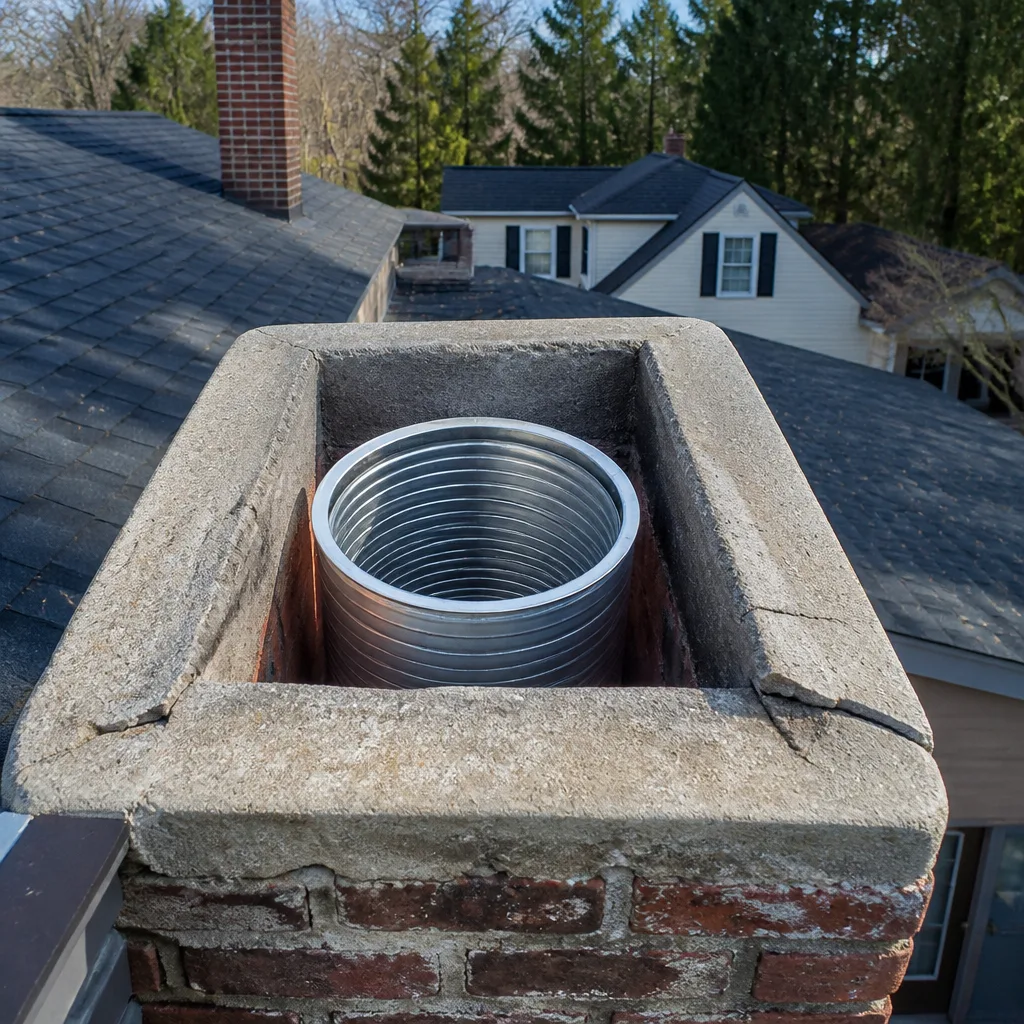 Flue relining
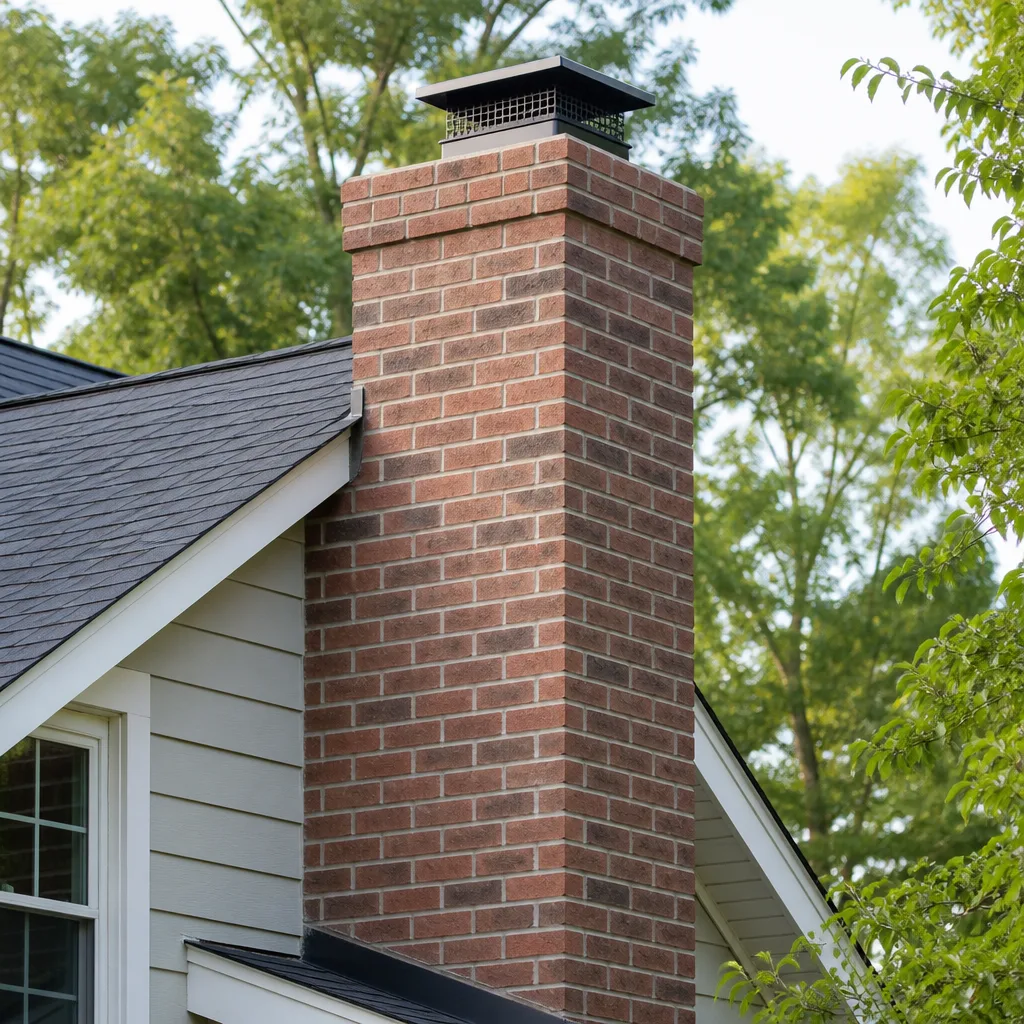 Masonry repair
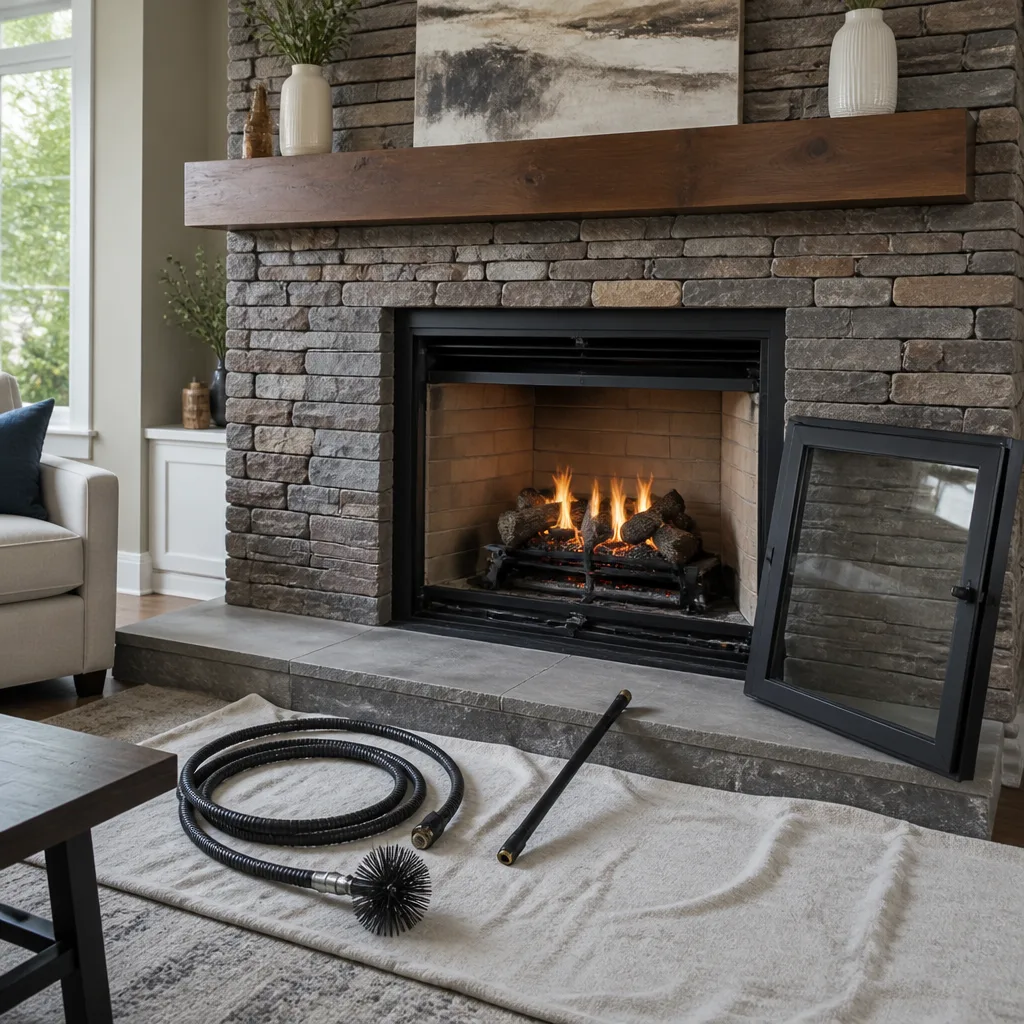 Gas fireplace service
Level 1 sweep and inspection to the NFPA 211 annual standard - flue, crown, cap, and flashing checked and photographed
Chimney sweep logs do not sweep chimneys. They loosen some creosote - which then falls where a brush and vacuum still have to collect it.
Chimney Sweep Troubleshooting: Common Problems and How to Fix Them
If your fireplace smokes back into the room only on windy days, that’s a pressure problem, not a creosote problem. Sweeping it won’t fix it, and plenty of service calls miss this distinction entirely. Most chimney complaints that homeowners label as “drafting issues” or “smoke smells” are actually four or five distinct failure modes with different causes and fixes. Our Complete Chimney Sweep Guide for Berryessa Homeowners teaches you to identify which one you actually have before calling anyone. We’ve built this from years of working on Berryessa chimneys, where tightly sealed homes and specific weather patterns create problems you won’t find in a generic troubleshooting article.
Quick Answer
A smoking or smelly chimney is rarely just a dirty flue. It’s more likely one of five specific issues: negative air pressure inside the house, a blocked flue, a damaged liner or firebox, a failed chimney cap, or water intrusion through the masonry. Most fixes are quick and inexpensive, but only if you diagnose the right problem first.
Styles & brands we work with
- Sweep & inspection
- Caps & crowns
- Flue relining
- Masonry repair
- Gas fireplace service
Table of Contents
- Why Your Fireplace Smokes Back Into the Room
- Chimney Smell Without Visible Smoke
- Visible Cracks: When They Matter and When They Don’t
- Water in the Firebox: The Problem Is Higher Than You Think
- Poor Draw: The Negative Pressure Problem in Berryessa Homes
- How to Self-Check Your Chimney Before Calling a Tech
- What a Sweep Fixes vs. What Needs Repair
Why Your Fireplace Smokes Back Into the Room
Smoke backdraft happens when the pressure inside your house is lower than the pressure outside. The chimney can’t overcome that difference, so smoke follows the path of least resistance, which is back into your living room. This is especially common in homes built or renovated in the last 15 years. Tight windows, new insulation, and sealed door frames all reduce the air a fireplace needs to pull from. In Berryessa, where many homes have been weatherized against valley heat and cold snaps, we see this pattern constantly.
The fix isn’t a sweep. It’s usually one of these three things:
- Open a window near the fireplace by about an inch. This equalizes pressure and often resolves backdraft instantly. If it works, the chimney itself isn’t blocked.
- Check what else is running. A bathroom fan, range hood, or clothes dryer pulling air out of the house at the same time will starve the fireplace. Turn them off and see if the smoke stops.
- Check the damper position. A partially closed damper causes backdraft because the flue opening is too small to vent properly. Open it fully before lighting a fire.
If none of these work, the issue may be a blockage in the flue or a chimney that’s too short for the roofline. Wind patterns around two-story additions or nearby trees can also cause intermittent drafting problems. We’ve diagnosed several Berryessa homes where a neighbor’s mature redwood created wind eddies that pushed smoke back down the chimney, a problem you’d never spot from inside.
Chimney Smell Without Visible Smoke
A chimney smell with no visible smoke almost always comes down to two things: creosote buildup or a failed cap that’s letting rain in. Creosote is the tarry residue that builds up from burning wood. It smells acrid and gets worse on humid days or when it rains. A missing or damaged cap lets water into the flue, which mixes with creosote and creates a sour, musty smell that fills the room.
Here’s the thing most homeowners miss: using a chimney “deodorant” product when the real issue is a missing or damaged chimney cap makes the problem worse. The deodorant masks the smell for a week or two, but water keeps getting in, creosote keeps absorbing it, and the underlying problem grows. We’ve pulled apart chimneys where years of this masking left liners corroded and mortar joints crumbling. The right fix is to identify the source.
If the smell is musty or earthy, look at the top of the chimney from outside. No cap, a tilted cap, or a rusted-through cap means water is entering the flue. A replacement cap is an inexpensive fix compared to what water damage does over time. Chimney repair in Berryessa often starts with a simple cap replacement, but only if it’s caught early.
If the smell is acrid or like a campfire, it’s creosote buildup. This needs a professional Chimney Sweep. A heavy creosote layer can’t be brushed with a home kit, and the residue is a fire hazard. The National Fire Protection Association recommends a sweep when creosote reaches 1/8 inch thick. We use professional-grade brushes and inspection cameras after every sweep to verify the flue is clean, because a visual check from the bottom can’t reveal buildup around the smoke shelf or in offset joints.
Visible Cracks: When They Matter and When They Don’t
Not every crack is a structural emergency. The key is knowing which ones threaten safety and which are cosmetic. We’ll break this down by location.
Cracks in the firebox (the floor and walls of the fireplace itself). Small hairline cracks in firebrick are common and usually cosmetic. The firebrick absorbs heat and expands, and over years this creates surface cracks. What matters is whether mortar joints have opened up or firebrick has shifted. If you can fit a dime into a joint, or if bricks have moved out of alignment, the firebox needs repair. Heat can reach the framing behind the firebrick through gaps like that.
Cracks in the chimney crown (the concrete cap at the very top). Crown cracks are a water intrusion problem. Water gets into the crack, freezes, expands, and widens the crack. In Berryessa’s climate, where we don’t get hard freezes often but do get heavy rain followed by sun, crowns deteriorate from thermal cycling. A cracked crown should be sealed or replaced, not ignored. Water running through the crown cracks will eventually damage the flue liner and the masonry below.
Cracks in the flue liner itself. This is the one that matters most. A cracked clay flue tile creates a path for heat to reach combustible materials in the chimney chase. It also allows carbon monoxide from gas appliances to leak into wall cavities. If a camera inspection shows cracked or spalled flue tiles, the liner needs repair or replacement. We stock and install materials from DuraFlex and HeatShield for exactly this job, because a liner repair isn’t the same as a liner patch. The material has to match the existing system and be rated for the appliance it vents.
Water in the Firebox: The Problem Is Higher Than You Think
Water showing up in the firebox after rain means water is entering somewhere above and traveling down. It’s rarely a problem with the firebox itself. Here’s where to look, in order of probability:
- Damaged or missing chimney cap. Without a cap, rain falls directly into the flue. A cap with a damaged screen also lets rain in sideways during wind-driven storms.
- Cracked crown. As stated above, crown cracks channel water into the masonry and down into the firebox.
- Deteriorated flashing. Where the chimney meets the roof, metal flashing seals the joint. If the flashing has pulled away or rusted through, water runs down the outside of the chimney and soaks through the masonry wall.
- Porous brick or failed mortar joints. Older chimneys in Berryessa, especially those built before modern sealing products, absorb water directly through the brick surface. Water soaks in, migrates inward, and drips into the firebox.
A water stain on the ceiling around the fireplace is a different issue that points to flashing failure. A puddle on the firebox floor points to the cap or crown. Either way, the fix requires getting on the roof or into the attic. We recommend a professional inspection with a camera, because guessing wrong means you fix one leak and still have another.
Poor Draw: The Negative Pressure Problem in Berryessa Homes
Poor draw means the fire burns but the smoke doesn’t pull up the flue effectively. It looks like a dirty chimney problem, but it’s often a house pressure problem. This is the most commonly misdiagnosed chimney issue we see.
Here’s what’s actually happening. A modern home in Berryessa with dual-pane windows, weather stripping, and a tight building envelope doesn’t let much outside air in. When you light a fire, the chimney needs a supply of air to push smoke up and out. If the house can’t provide that air, the chimney pulls from wherever it can, including back down the flue. The result is poor draw, smoke in the room, and a fire that struggles to stay lit.
The stack effect makes this worse. Warm air rises inside the house and escapes through any opening in the upper floors, including a leaky attic hatch or recessed light fixtures. That rising air creates lower pressure at the fireplace level. In a two-story Berryessa home with a fire on the ground floor, the chimney is fighting the entire volume of the house pulling air upward.
Test for this before you call anyone. Open a window near the fireplace about two inches, light a piece of newspaper, and hold it near the damper opening. If the smoke pulls up the flue with the window open but not with it closed, you have a negative pressure problem, not a dirty chimney. The permanent fix is usually a combustion air vent installed near the fireplace, not a cleaning.
That said, poor draw can also be caused by a flue obstruction. Bird nests, squirrel debris, and fallen leaves all reduce the flue opening. A partial blockage mimics negative pressure symptoms. If opening a window doesn’t help, there’s likely something physical in the flue. We find nests in Berryessa chimneys every spring, and they’re easy to remove before the buildup gets hard-packed.
How to Self-Check Your Chimney Before Calling a Tech
You can gather useful diagnostic information in about five minutes. None of these steps require getting on the roof, and all of them help a technician zero in on the real problem faster.
- Check the damper. Open it fully and look up with a flashlight. You should see the flue opening clearly. If you see debris, cobwebs, or a dark coating that looks like baked-on tar, note it.
- Do the window test. Open a window near the fireplace, light a match or a piece of paper, hold it near the damper. Smoke pulling up means draft exists. Smoke drifting into the room means pressure problem.
- Look at the cap. From the ground, can you see a cap at the top of the chimney? Is it sitting level? A tilted or missing cap is a clear finding.
- Check the smoke shelf. Shine a flashlight up past the damper. The smoke shelf is the flat area just above the firebox that redirects falling debris. If you see accumulated soot or nesting material, that’s a sign the flue hasn’t been cleaned recently.
- Note the weather pattern. Does the smell or smoke problem only happen when it rains or when the wind blows from a certain direction? Rain-related problems point to the cap or crown. Wind-related problems point to chimney height or surrounding tree cover.
None of this replaces a professional inspection. A camera inspection can see what a flashlight can’t, and our techs carry inspection cameras on every sweep in Berryessa. For more guides & resources, see our blog. But knowing what you’re looking at means you can describe the problem accurately, and that saves time and money.
What a Sweep Fixes vs. What Needs Repair
This distinction matters because it determines who you call and what it costs. A chimney sweep removes creosote, soot, and debris from the flue. A repair fixes damage to the chimney system. They’re different jobs with different tools and different price points. Here’s the breakdown.
A sweep resolves:
- Creosote buildup on the flue walls and smoke shelf
- Debris blockages from leaves, twigs, and animal nesting
- Soot accumulation that reduces draft
- Odor caused by creosote (combined with a cap check)
A repair resolves:
- Cracked or spalled flue tiles that create fire or gas leak risk
- Failed chimney crowns that let water into the masonry
- Offset liner joints that have separated
- Damaged fireboxes with open mortar joints or shifted brick
- Chimney caps that need replacement
The frustration we hear from Berryessa homeowners is that they paid for a sweep, and the problem came back. That happens when the underlying issue was a cracked liner or a failed cap, and the sweep only removed the symptom. A creosote layer will rebuild quickly if water keeps entering the flue, and no amount of brushing fixes a structural crack. Our approach at Chimney Sweep Berryessa is to diagnose first, then recommend a sweep, a repair, or both. We tell you what we find and fix what needs fixing. Chimney sweep service in Berryessa should include an inspection with a camera, because sweeping a liner that’s already cracked doesn’t make the chimney safer, it just makes it look cleaner.
One more thing worth understanding: liner systems. Older Berryessa homes often have clay tile liners that have been in place for 40 or 50 years. When those tiles crack, the fix is a reline, not a patch. We work with DuraFlex and HeatShield systems because they’re code-compliant and known in the industry for holding up under repeated heat cycles. If a technician recommends a liner replacement, ask what material they’re using and why. If they can’t answer that question specifically, get a second opinion.
Common Mistakes to Avoid
- Using a chimney deodorant before finding the source of the smell. Deodorants mask the problem while water or creosote damage continues. Find the source first.
- Running a bathroom fan or range hood while the fireplace is lit. Exhaust fans create negative pressure and pull smoke back into the room. Turn them off or open a window.
- Closing the damper as soon as the fire dies down. Embers release carbon monoxide even without visible flame. Let the fire fully extinguish before closing the damper.
- Ignoring a cracked crown because “it’s just concrete.” Crown cracks widen every winter and let water into the masonry. A crown repair is a fraction of the cost of a full chimney rebuild.
- Assuming a smoke smell means the chimney needs a sweep. Smoke smells often mean a cap failure or a pressure problem, not creosote. Diagnosing wrong means paying for a service that doesn’t solve the issue.
- Waiting until fall to address a known chimney problem. Berryessa chimney companies book out weeks in advance from September through December. Late summer is the best time to schedule an inspection.
See the difference
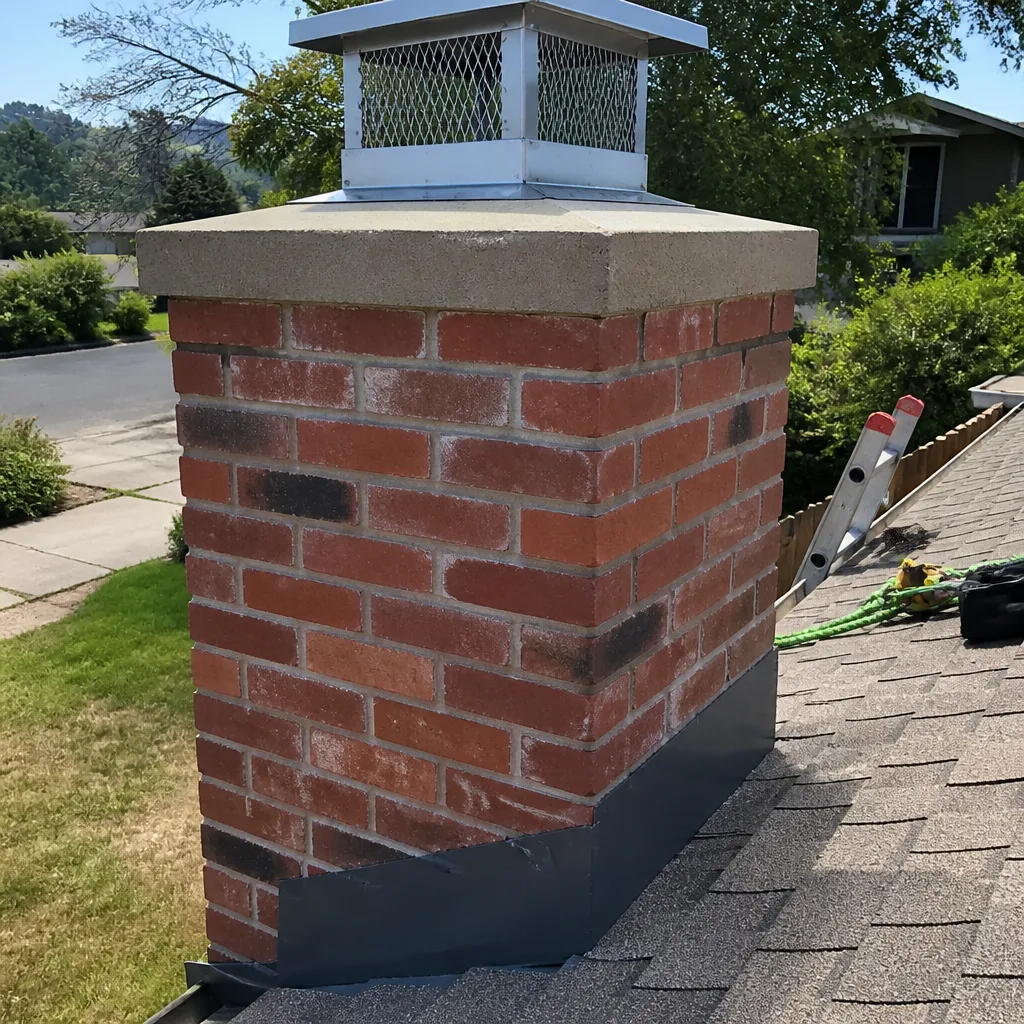
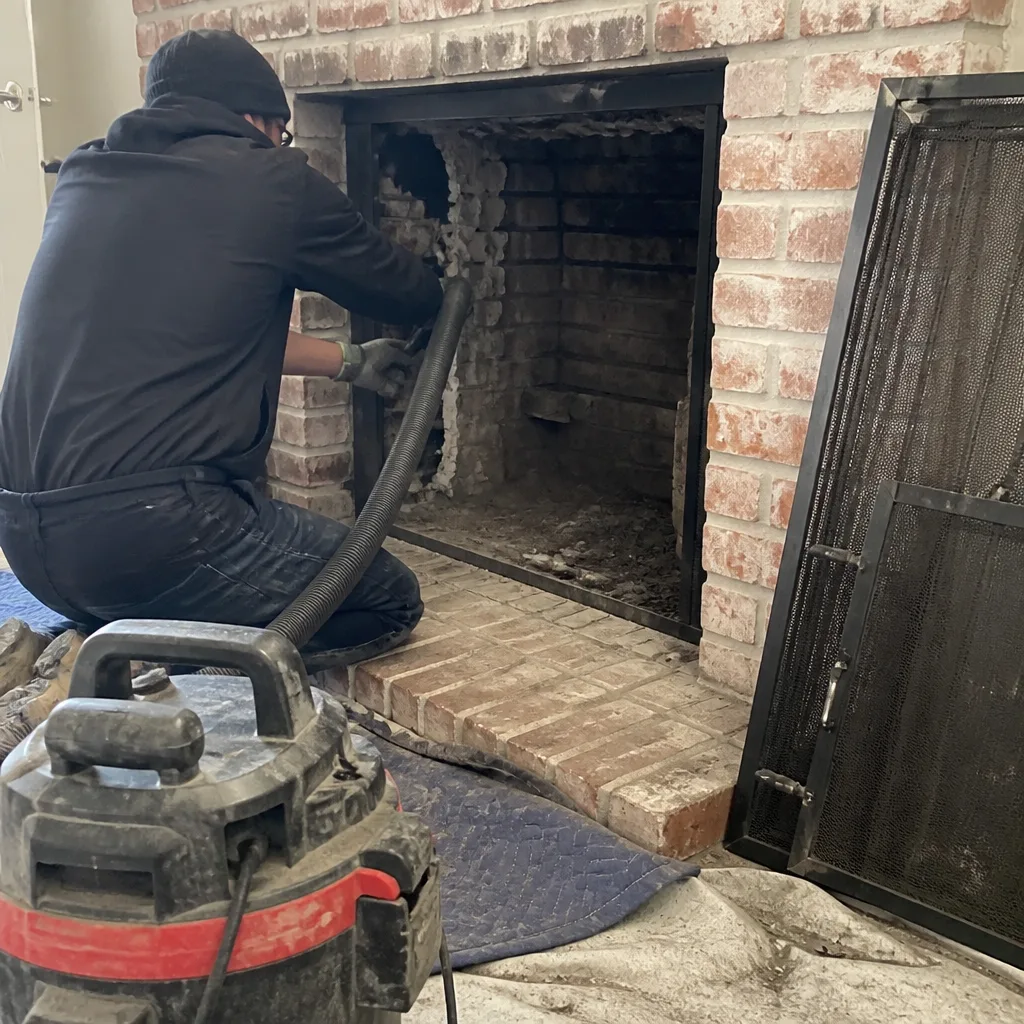
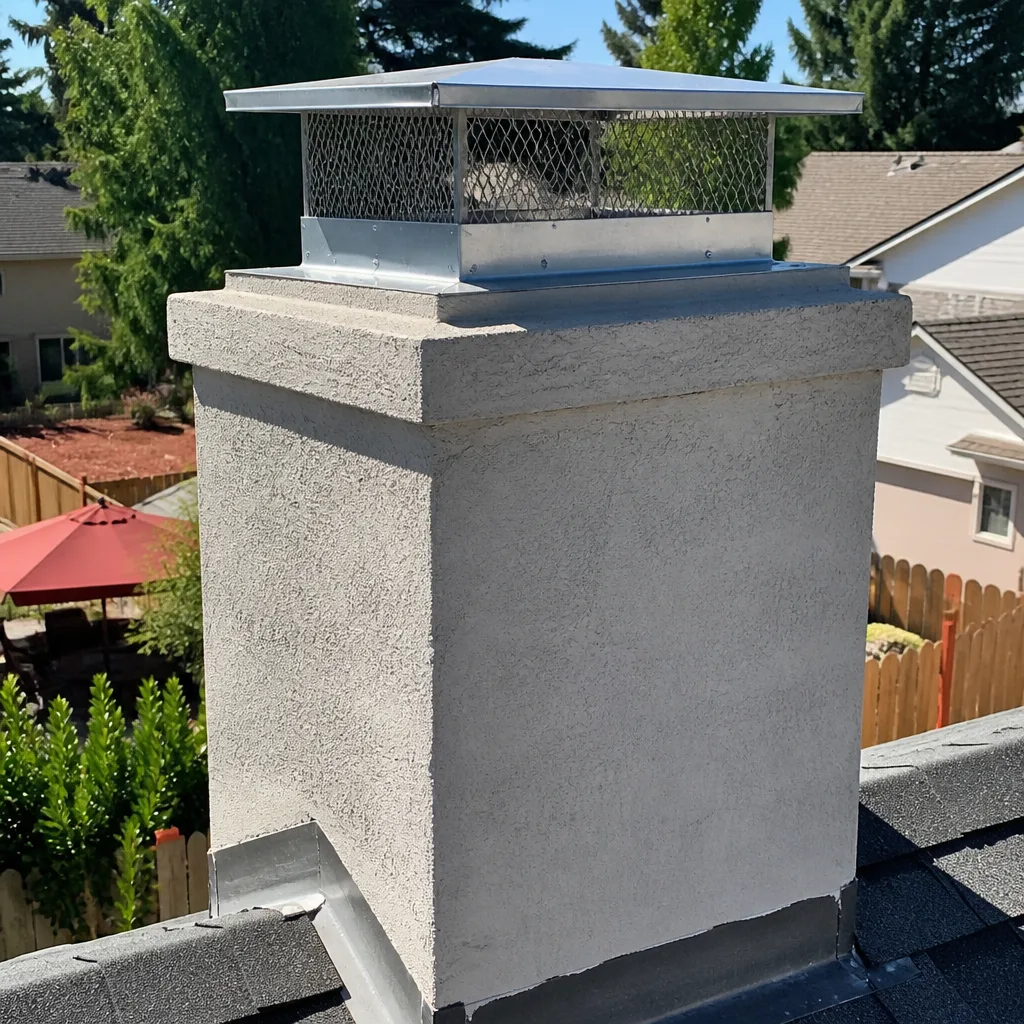
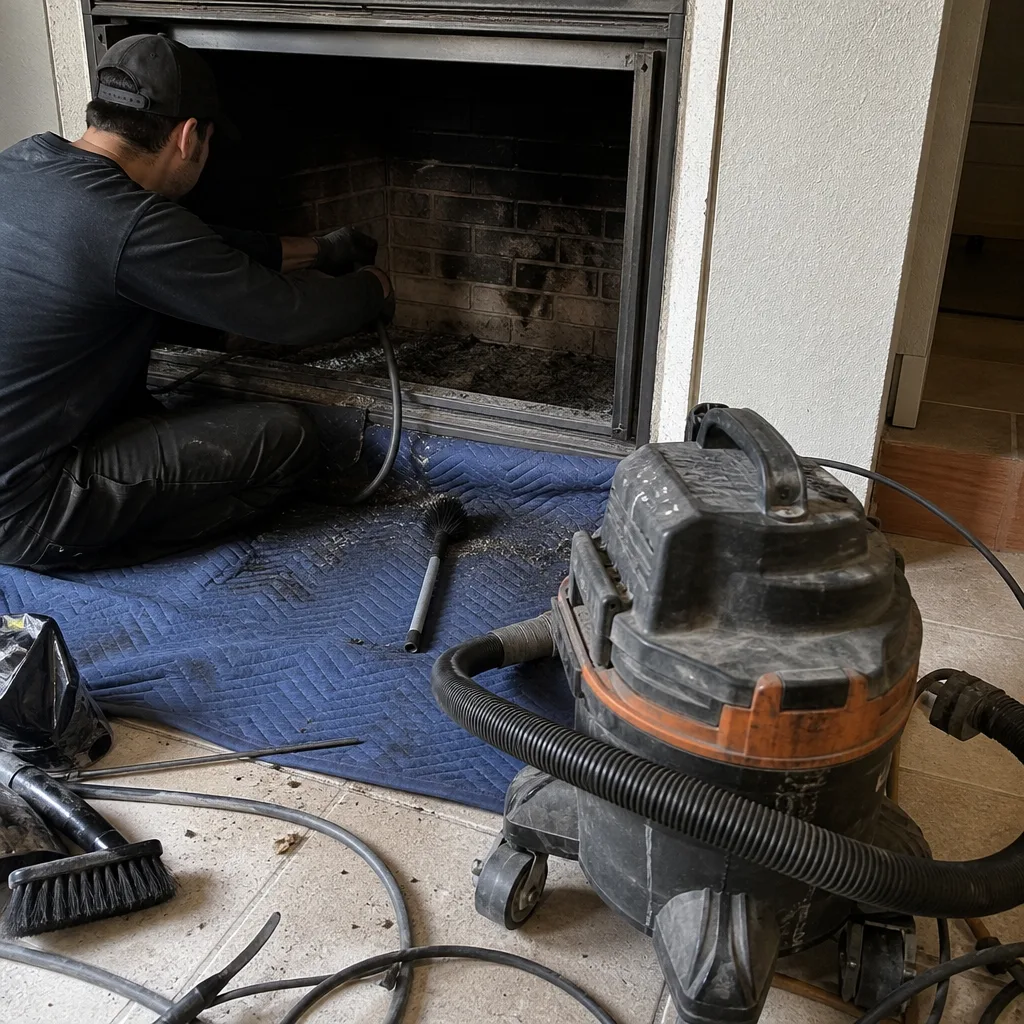 Before
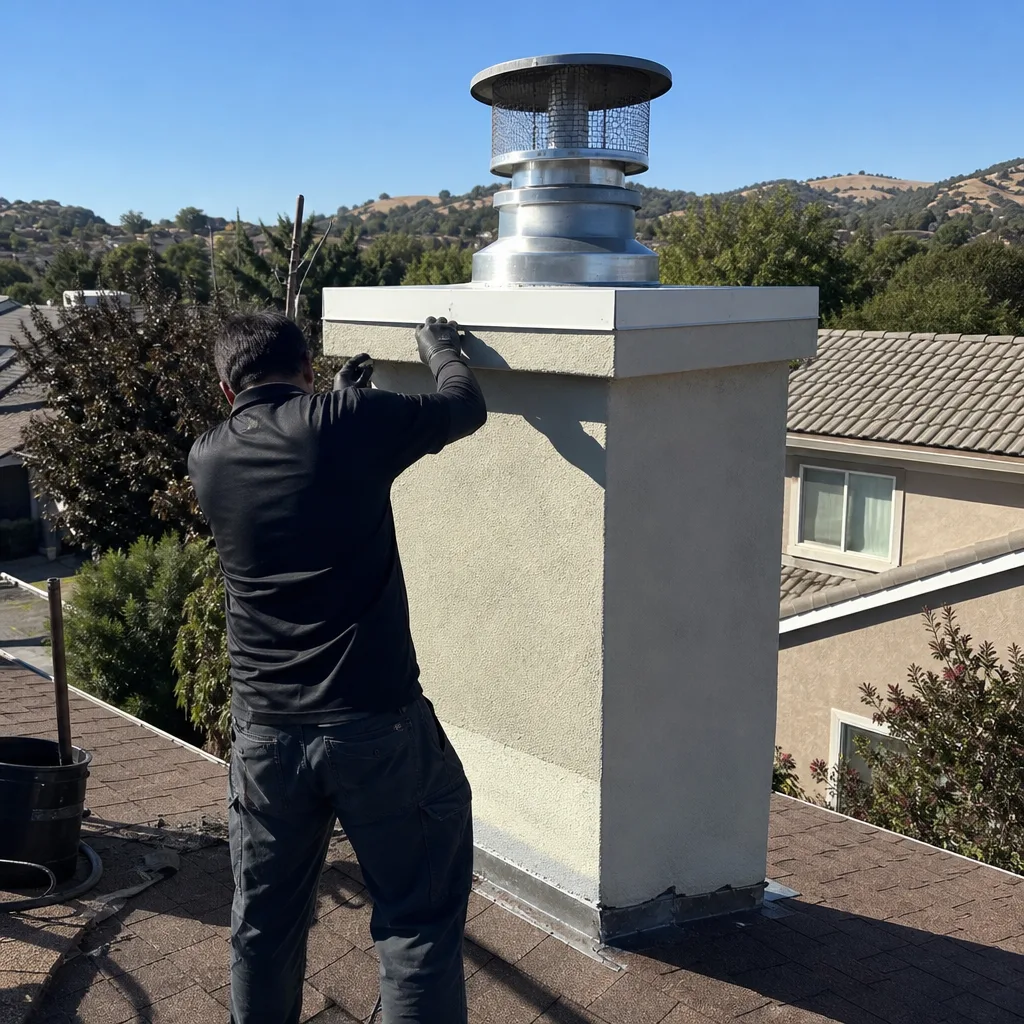 After
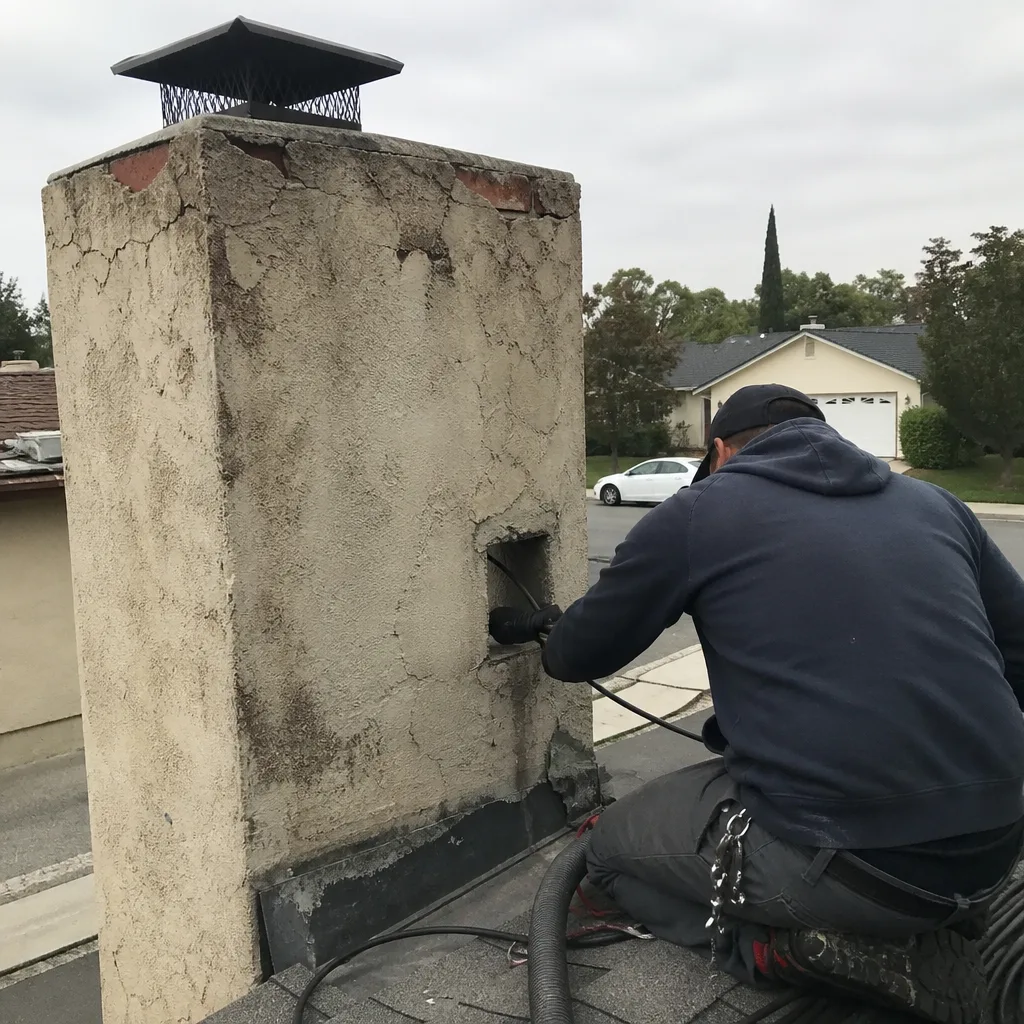 Before
 After
 Before
 After
When to Call a Professional
Call a professional if you see water in the firebox after rain, if the smell persists after a sweep, if smoke backdraft doesn’t resolve with an open window, or if you spot cracks that have widened over time. Also call if you haven’t had the chimney inspected in over a year and you burn regularly. These aren’t situations where more DIY diagnosis helps. A camera inspection will find the issue in under an hour, and most problems are cheaper to fix early than they are after a season of neglect. Chimney Sweep Berryessa offers free estimates in Berryessa, call (877) 610-3049 to schedule a sweep or inspection.
Frequently Asked Questions
A blocked chimney usually shows itself as smoke backing up into the room even with the damper fully open and a window cracked. You may also notice less draft than usual, a fire that won’t stay lit, or visible debris when you look up from the firebox. The fastest way to confirm is a camera inspection from a professional sweep.
Creosote smells acrid and smoky, similar to an old campfire or burnt tar. The smell gets stronger on humid days or after rain because moisture activates the compounds in the creosote. If you smell it year-round, the creosote layer is thick enough to need a professional sweep.
You can buy a chimney brush and rods at a hardware store, but the result depends on the type of creosote and the condition of the flue. Heavy, glazed creosote can’t be removed with a homeowner brush. More importantly, sweeping an uncertified flue without inspecting it first can hide a liner crack that creates a fire or CO risk. The cost of a professional sweep in Berryessa is cheaper than a chimney fire.
The NFPA recommends a sweep when creosote reaches 1/8 inch thick, and at minimum once per year for wood-burning fireplaces. In Berryessa, where burn season runs from late fall through early spring, an annual sweep before the first fire of the season is the standard. Homes that burn soft woods like pine may need a second sweep mid-season.
A sweep removes creosote and debris from the flue. An inspection evaluates the condition of the liner, crown, cap, flashing, and firebox. A good sweep includes a basic inspection with a camera, but a full inspection goes further and documents the condition of every component. At Chimney Sweep Berryessa, every sweep includes a camera inspection as standard.
Yes. Gas fireplaces produce water vapor that accelerates corrosion in metal liners, and vented gas logs still produce soot and carbon monoxide that must vent properly. Gas chimneys should be inspected and cleaned less frequently than wood-burning ones, but they should not be ignored. A blocked gas vent creates a carbon monoxide risk that you won’t smell or see.
The Bottom Line
Most chimney problems are predictable once you know where to look. Smoke backdraft is usually a pressure problem, smell without smoke is usually a cap or creosote issue, water in the firebox points to the crown or flashing, and poor draw is often the house fighting the chimney. A good self-check narrows the possibilities in minutes. The rest comes down to having the right person with the right tools confirm the diagnosis and fix it. Chimney Sweep Berryessa handles the full loop: sweep, inspect, repair, all from one company. And if your fireplace problem isn’t the chimney at all but the dryer vent, dryer vent cleaning in Berryessa addresses the other most common household venting fire risk.
Written by the team at Chimney Sweep Berryessa, serving Berryessa since 2013.