
Last updated November 2, 2026
 Sweep & inspection
 Caps & crowns
 Flue relining
 Masonry repair
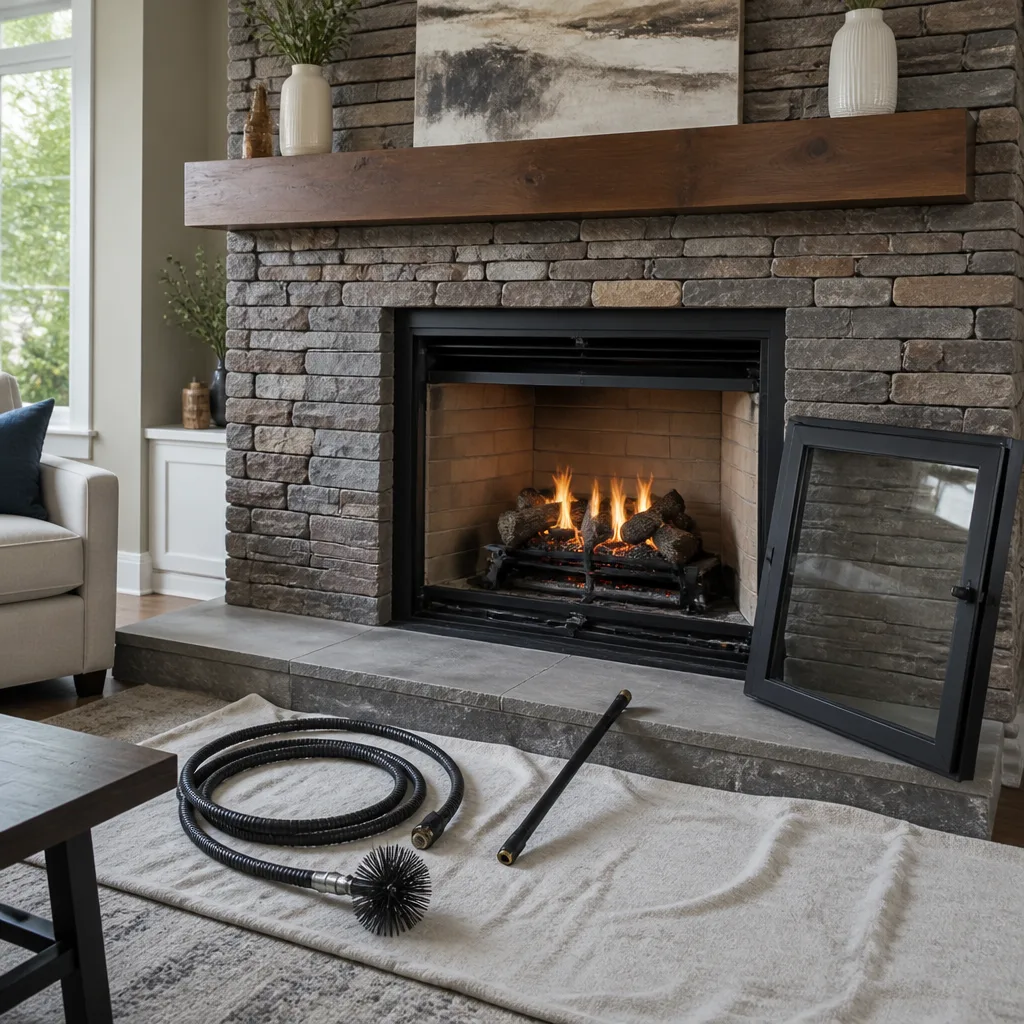 Gas fireplace service
Level 1 sweep and inspection to the NFPA 211 annual standard - flue, crown, cap, and flashing checked and photographed
Chimney sweep logs do not sweep chimneys. They loosen some creosote - which then falls where a brush and vacuum still have to collect it.
Chimney Cleaning Warning Signs: A Berryessa Homeowner’s Reference Guide
A white chalky stain blooming across your chimney’s exterior brick isn’t a cosmetic quirk. It’s efflorescence, and it tells you water is already moving through your mortar joints, dissolving salts inside the masonry and depositing them on the surface. Most Berryessa homeowners scrub it off with a wire brush and never think about it again. That’s precisely how a $400 repointing job becomes an $8,000 rebuild. This guide maps the visible symptoms most people dismiss – the staining, the flaking, the odd smells, the smoke behavior – to the structural failures behind them, so when you call a chimney professional, you can describe what you’re actually seeing instead of saying “something seems off.”
Styles & brands we work with
- Sweep & inspection
- Caps & crowns
- Flue relining
- Masonry repair
- Gas fireplace service
Quick Answer
Chimney warning signs that need attention include white staining (efflorescence) on exterior masonry, spalling bricks or flaking mortar, smoke rolling into the room instead of up the flue, persistent musty or campfire odors when no fire is burning, and visible debris falling into the firebox. These symptoms map to specific failures: water intrusion, compromised flue liners, draft reversal from negative house pressure or blockages, and creosote accumulation. In Berryessa’s wet winters and dry summers, the expansion-and-contraction cycle accelerates masonry deterioration faster than in many parts of the Bay Area, which is why we created our Chimney Sweep Maintenance Checklist for Berryessa Homeowners.
Table of Contents
- Efflorescence: The White Stain That Isn’t Cosmetic
- Spalling and Flaking: When Masonry Starts Falling Apart
- Smoke Rollout: The Draft Problem Nobody Diagnoses Correctly
- Chimney Odor Without a Fire: The Most Misdiagnosed Complaint
- Visible Debris in the Firebox: What’s Actually Falling Down
- Normal Aging vs. Active Failure: How to Tell the Difference
- Which Signs Need Same-Week Service and Which Can Wait
- Common Mistakes to Avoid
- When to Call a Professional
- Frequently Asked Questions
- The Bottom Line
Efflorescence: The White Stain That Isn’t Cosmetic
Efflorescence forms when water enters masonry, dissolves naturally occurring salts within the brick and mortar, then migrates to the surface. As the water evaporates, it leaves behind a white, powdery or crusty deposit. The key word is evaporates. Water only evaporates from a surface if it has a path there – which means water is traveling through your chimney’s masonry envelope.
In Berryessa, the seasonal pattern matters. We get concentrated winter rains followed by long dry spells. That wet-dry cycling draws salts outward repeatedly, and each cycle leaves a new deposit. Homeowners tell us they clean the staining off in spring and it returns by autumn. That recurrence is the diagnostic signal. One-time efflorescence can appear during initial construction or after a single weather event. Recurring efflorescence means an ongoing water entry point exists – a cracked crown, deteriorated mortar joints, missing or damaged flashing, or a failed chimney cap.
The fix depends on the water source. If the crown is cracked, sealant alone won’t solve the problem. The crown needs repair or replacement. If mortar joints are the entry point, repointing (also called tuckpointing) removes the compromised material and replaces it with fresh mortar matched to the existing compressive strength. Using the wrong mortar hardness is a common mistake – a mortar harder than the surrounding brick traps moisture inside the brick itself, accelerating spalling rather than slowing it. This is why we use products formulated for chimney restoration, including materials from Gelco and Olympia Chimney, which are designed for the thermal and moisture conditions chimneys actually experience rather than general-purpose masonry patching compounds. For help selecting the right products, see our guide on Choosing the Right Chimney Cleaning Brand: A Buyer’s Guide for Berryessa.
One detail most guides skip: efflorescence on interior firebox walls tells a different story than exterior staining. Interior efflorescence usually indicates water entering from the top – past the cap or through the crown – and running down the flue, not water penetrating from outside. If you see white staining inside the firebox, inspect the top of the chimney before assuming you have a masonry leak.
Spalling and Flaking: When Masonry Starts Falling Apart
Spalling is the flaking, chipping, or crumbling of brick faces or mortar joints caused by water freezing inside the masonry. When water penetrates brick and then temperatures drop below freezing, the ice expands by approximately 9%. That expansion fractures the brick from within, and the damaged face eventually separates and falls away. Berryessa sees fewer hard freezes than inland or mountain communities, but the freeze-thaw cycle does happen overnight in winter, and the cumulative effect over years is measurable.
Spalled brick looks different from normal surface wear. The face of the brick breaks off in sheets or chunks, exposing the rougher, darker interior. Mortar joints may erode into channels that you can fit a fingertip into without applying pressure. Crumbling mortar at the base of the chimney is especially common in Berryessa because moisture from roof runoff sometimes pools against the chimney base if gutter drainage is inadequate.
Here’s the structural sequence to understand:
- Water enters through a crack in the crown or a deteriorated mortar joint.
- The water absorbs into brick or sits in the mortar bed.
- Thermal expansion (including overnight freezing in winter) creates internal stress.
- The brick face or mortar edge begins to flake, spall, or crumble.
- The now-exposed interior masonry absorbs more water faster, accelerating the cycle.
- Loss of mortar joint depth reduces the chimney’s lateral stability.
Spalling is never a wait-and-see problem. Every season of water exposure widens the damage surface. A chimney that needs only repointing when the first flaking appears may need partial rebuilding two or three years later. We tell Berryessa homeowners the same thing every time: if you can see missing brick faces from ground level, the damage inside the chimney’s top few courses is typically worse than what’s visible.
Smoke Rollout: The Draft Problem Nobody Diagnoses Correctly
Smoke rollout means smoke enters the living space instead of rising up the flue. It sometimes appears as a thin haze near the ceiling, or you notice a woody smell in the room hours after the fire has gone out. The common assumption is “the chimney needs sweeping.” Sometimes that’s true. But smoke rollout has at least four distinct causes, and treating the wrong one wastes both time and money – our Chimney Sweep Troubleshooting: Common Problems and How to Fix Them breaks down how to identify each one.
1. Blocked flue. Creosote accumulation, nesting material from birds or squirrels, fallen flue tiles, or debris can restrict the flue opening. This is the classic “dirty chimney” scenario, and in Berryessa, it’s most common in homes where a previous owner used the fireplace heavily without annual sweeping. A professional Chimney Sweep in Berryessa removes the blockage and restores draft.
2. Closed or partially closed damper. This sounds obvious, but a surprising number of smoke-rollout calls involve a damper that isn’t fully open, or a damper whose mechanism has slipped or rusted so it isn’t opening as far as the handle position suggests. Old throat dampers with chain mechanisms are especially prone to this. If you can see the damper blade from inside the firebox, confirm it’s rotated fully open before calling for service.
3. Negative house pressure. Modern Berryessa homes with tight building envelopes, range hoods, bathroom exhaust fans, and attic ventilation systems can create negative pressure inside the house relative to outside. In that condition, the chimney becomes an intake rather than an exhaust. The house pulls air down the flue, and when you light a fire, the smoke has nowhere to go but back into the room. This is more common in newer construction and in homes where recent weatherization or window replacement tightened the envelope. The fix may involve adding make-up air or a direct air supply to the fireplace.
4. Firebox or flue design issues. Some fireplaces were built with firebox openings that are too large relative to the flue size, or with smoke chambers that don’t transition smoothly into the flue. The result is weak draft even with a clean chimney and open damper. In these cases, the solution may be a smoke chamber parge coat to smooth the pathway, a flue liner resizing, or a top-sealing damper system that improves draft behavior.
The diagnostic point: smoke rollout is a symptom, not a diagnosis. If sweeping alone doesn’t fix it, the draft problem is structural or mechanical, and it needs a technician who understands airflow, not just cleaning. One of the advantages of working with a Chimney Sweep Berryessa home company that also does repair work is that the same person diagnosing the draft problem can implement the fix – a liner change, a smoke chamber parge, or a replacement damper.
Chimney Odor Without a Fire: The Most Misdiagnosed Complaint
“The house smells like a campfire when the fireplace hasn’t been used in weeks.” It’s one of the most common calls we hear from Berryessa homeowners, and it’s also one of the most misdiagnosed chimney complaints. The typical explanation people settle on is “the chimney just smells” or “it needs cleaning.” Both are incomplete.
Chimney odor without an active fire has three primary causes:
- Creosote humidity response. Creosote is hygroscopic, meaning it absorbs moisture from the air. During Berryessa’s damp winter mornings or after a period of rain, creosote deposits inside the flue swell with moisture and release the smokey compounds they contain. The odor enters the home through the firebox opening. This mechanism explains why the smell intensifies on humid days and diminishes during dry heat.
- Negative house pressure reversing airflow. As described in the smoke rollout section, a house under negative pressure pulls air down the chimney. Even without a fire, that downward airflow carries flue odors into the living space. If you notice the smell when the bathroom fan runs or the HVAC system is in operation, negative pressure is a strong candidate.
- Missing, damaged, or improperly sized chimney cap. A cap keeps rain, debris, and animals out, but it also affects air movement. A missing cap allows water to enter, which then activates creosote odor response. And some cap designs create their own draft restriction. The right cap for the flue diameter matters more than most homeowners realize.
The honest assessment for a persistent smokey odor: it often signals a combination of issues rather than a single cause. Creosote removal addresses the immediate odor source. Damper replacement or repair addresses passive air leakage. Cap replacement addresses water entry. When all three are addressed together, the odor resolves. When only one is fixed, the smell usually returns within a season. That’s why we prefer to diagnose the full system rather than clean and leave.
Visible Debris in the Firebox: What’s Actually Falling Down
Finding black flakes, sandy grit, or small brick fragments in the firebox between fires is a common experience. The source of the debris determines whether it’s a routine maintenance issue or a structural warning sign.
Black flakes are usually creosote deposits that have dried and separated from the flue walls. They curl, crack, and fall. Creosote that is flaking on its own often indicates a thick accumulation, and thick creosote is the primary fuel for chimney fires. This is a “schedule a sweep” signal, not an emergency, but don’t use the fireplace again until it’s been cleaned.
Sandy or gritty material typically comes from two sources: deteriorated mortar joints inside the flue, or a failing smoke chamber parge coat. The mortar and parge material erode over time from heat cycling and moisture, and the loose particles fall into the firebox. This is a structural warning sign – it means the flue’s internal lining is degrading, and if the flue tiles themselves are cracked or shifted below, the chimney may no longer be safe for use.
Brick or flue tile fragments are the most serious debris signal. A cracked flue tile that loses pieces means the flue’s inner wall is compromised. If the chimney is used in that condition, heat and combustion byproducts can reach the surrounding structure. This requires a professional inspection immediately, and it often leads to a flue liner assessment. Depending on the damage, the solution may be a poured liner system, a HeatShield resurfacing application, or a DuraFlex stainless steel liner installation.
One practical tip for Berryessa homeowners: keep a small flashlight near the fireplace and check the firebox floor occasionally between fires. Knowing what kind of debris has accumulated before you call gives the technician useful diagnostic information before they even arrive.
Normal Aging vs. Active Failure: How to Tell the Difference
Every chimney ages. Mortar joints soften, metal components weather, and creosote builds up over time. The question is whether what you’re seeing is normal wear or active failure. Here’s the framework we use to distinguish them.
Mortar joints: Normal aging shows as uniform erosion across the chimney’s surface, usually subtle and distributed. The joints may look slightly recessed or softly rounded, but the erosion pattern is consistent. Active failure shows as localized deep channeling, missing mortar in specific spots, or joints that crumble when probed. If one joint is significantly more eroded than its neighbors, water is entering there, and the pattern tells you where.
Flue tiles: Normal aging may include minor surface staining and small heat-checking cracks that don’t go through the tile. Active failure includes cracks that extend through the tile, spalled edges, misaligned tiles (visible offset between courses), or missing tile pieces. You can’t evaluate this from the outside, which is why a camera inspection during a professional sweep matters. It’s also why we typically recommend a camera inspection as part of the Chimney Repair in Berryessa assessment process when debris or draft issues suggest liner damage.
Smoke chamber parging: The smoke chamber sits between the firebox and the flue, and it’s often the most neglected surface in the chimney. Normal aging shows as fine surface cracking. Active failure shows as chunk loss, exposed brick edges, or accumulated debris below the chamber. A parge coat that has largely separated from the chamber walls can’t be seen without a professional inspection – but debris in the firebox is often the first visible clue.
Crown: A crown is the concrete or masonry cap at the top of the chimney. Normal aging includes hairline surface cracking that doesn’t extend through the crown’s full depth. Active failure includes cracks wide enough to fit a quarter into, crumbling edges, or a crown that has separated from the flue. Any of these allows water directly into the chimney’s structure.
The practical takeaway: if the deterioration is uniform and gradual, you probably have time to schedule service on a normal timeline. If the deterioration is localized, accelerating, or accompanied by other symptoms (debris, odor, smoke issues), treat it as active failure and act accordingly.
Which Signs Need Same-Week Service and Which Can Wait
Not every warning sign is an emergency, but some are. Here’s the triage framework we give Berryessa homeowners who call us trying to decide how quickly they need service.
Schedule same-week service:
- Smoke rollout during active fires. This may indicate a blockage, and even if it’s a damper issue, you shouldn’t keep using the fireplace until it’s diagnosed. Carbon monoxide exposure is a real risk when combustion products aren’t venting correctly.
- Chimney odor accompanied by visible smoke staining around the firebox. This combination suggests flue gases are entering the living space even when the fireplace isn’t in use.
- Falling flue tile fragments or brick chunks in the firebox. The flue lining is actively deteriorating. Don’t use the fireplace until a professional assesses it.
- Strong odor that persists even after cleaning. If you’ve had a sweep and the smell continues, something else is going on – negative pressure, a cap issue, or liner damage that cleaning doesn’t address.
Can wait for a scheduled annual sweep:
- Mild creosote flaking with no other symptoms. Schedule the sweep before the next burning season, but you don’t need an emergency call.
- Light efflorescence with no current water intrusion evidence. Document it with photos and review at the annual inspection. If it recurs after cleaning, move it up the priority list.
- Minor surface wear noted during your own visual inspection. Bring it up at the next professional visit. The technician will tell you if it needs attention before the next season.
Berryessa’s burning season runs roughly October through March, depending on the year. The time to address chimney issues is late summer and early fall, before the rain starts and before you need the fireplace. Waiting until December means longer lead times and, in some years, the temptation to use the fireplace despite a known problem. That’s the scenario we want you to avoid.
Common Mistakes to Avoid
- Scrubbing efflorescence off repeatedly without finding the water entry point. The stain always returns because the water always returns. Treat the cause, not the symptom.
- Assuming a chimney cap is optional. A missing or damaged cap accelerates every moisture-related failure mode on this list. In Berryessa, where winter rain is concentrated and often wind-driven, a proper cap is essential.
- Ignoring dryer vent symptoms while focusing only on the chimney. Many homes have both a fireplace and a dryer, and the vent for each carries lint and combustion byproducts. A slow-drying dryer or a musty smell near the laundry room is a separate warning sign that deserves equal attention. Dryer Vent Cleaning in Berryessa addresses the lint accumulation that the NFPA identifies as a leading cause of dryer fires.
- Sealing the chimney top to “fix” a downdraft problem. This is a band-aid that often traps moisture inside the flue. A real draft solution requires understanding the airflow dynamics, not just closing off the top.
- Using chemical cleaning logs instead of a professional sweep. Chemical logs can break down some creosote, but they don’t remove the debris, and they can’t inspect the flue for liner damage. They also can’t tell you if the creosote has glazed into the hard, flammable form that requires mechanical removal.
- Repainting or sealing spalled brick faces without addressing the water source. The sealant traps moisture inside the masonry, and the spalling accelerates from the inside. The brick continues deteriorating behind the surface treatment.
- Waiting for multiple warning signs before calling. Efflorescence alone is reason enough to schedule an inspection. By the time you see spalling and debris and smell odor, the repair cost has likely multiplied.
When to Call a Professional
Call a chimney professional when you see efflorescence that recurs after cleaning, any spalling or crumbled mortar, smoke entering the room during fires, persistent chimney odor without an active fire, or debris in the firebox. These are not conditions to self-diagnose. A trained technician with camera inspection equipment can see what’s happening inside the flue, and more importantly, can tell you which issues need repair and which can safely wait. Chimney Sweep Berryessa offers free estimates in Berryessa – call (877) 610-3049 and we’ll assess what you’re seeing, explain the options, and give you an honest recommendation whether the right next step is a sweep, a liner assessment, a masonry repair, or none of the above.
Frequently Asked Questions
Chimney sweeping in Berryessa typically falls between $180 and $340 for a standard fireplace with a single flue, depending on the chimney’s height, the flue’s condition, and whether a camera inspection is included. Homes with two fireplaces or a second flue for a furnace or water heater pay proportionally more. If the sweep uncovers significant creosote accumulation or requires extra mechanical removal, the cost increases. Call (877) 610-3049 for a specific quote – estimates are free.
Creosote continues accumulating, and creosote is fuel. A chimney fire doesn’t require an extreme scenario to start – it requires enough creosote and enough heat, both of which accumulate with regular use. Beyond fire risk, skipping the sweep means no annual inspection, which means flue tile cracks, water entry, and crown damage progress unseen. The cost of annual sweeping is a fraction of the cost of liner replacement or chimney rebuilding.
The National Fire Protection Association standard is that chimneys should be inspected at least once a year and swept when creosote buildup reaches 1/8 inch or more in thickness. For Berryessa homeowners who burn frequently during winter months, that usually means a sweep during each annual inspection. Homes that use the fireplace occasionally may go longer between sweeps, but the annual inspection still matters.
The smell comes from creosote deposits inside the flue releasing odor as they absorb moisture, from house negative pressure drawing flue air into the living space, or from a water entry problem activating the creosote’s odor response. The smell without a fire is often the first sign that several chimney conditions – dirty flue, leaky damper, missing cap, or negative pressure – are working together, and it’s one of the most frequently misdiagnosed chimney complaints.
You need a new liner when the existing flue tiles are cracked, spalled, misaligned, or missing pieces, or when the original chimney was built without a liner. These conditions are visible on camera inspection, and a legitimate recommendation will include the footage for you to review. A liner is not optional equipment – it’s what keeps combustion heat, gases, and embers separated from combustible framing. If a company recommends a liner, ask to see the camera evidence before authorizing the work. We don’t recommend liner work without documentation.
Chimney cleaning removes creosote and inspects the fireplace flue for structural integrity. Dryer vent cleaning removes lint accumulation from the duct that carries dryer exhaust outside. Both address fire risks, but they’re different systems with different hazards. The NFPA identifies failure to clean dryer vents as a leading cause of dryer fires, which is why we offer both services separately. Every Berryessa home with an electric or gas dryer has a vent that needs periodic cleaning, regardless of whether the home has a fireplace.
The Bottom Line
Chimney problems send messages before they send you the repair bill. Efflorescence tells you water is getting in. Spalling tells you that water has been getting in for a while. Smoke rollout tells you something is blocking, restricting, or reversing your draft. Odor without a fire tells you creosote, water, or pressure dynamics are at work. Debris in the firebox tells you the flue’s internal surfaces are degrading. The job of a homeowner is to read those signals early. The job of a good chimney company is to interpret them honestly – to tell you what’s urgent, what can wait, and what’s actually worth fixing. If you’re seeing any of the signs in this guide, a professional inspection costs less than waiting for the damage to compound. For additional guidance, explore our more guides & resources. Call (877) 610-3049 and describe what you’re seeing. We’ll help you figure out what it means.
Written by the team at Chimney Sweep Berryessa, serving Berryessa since 2013.
See the difference
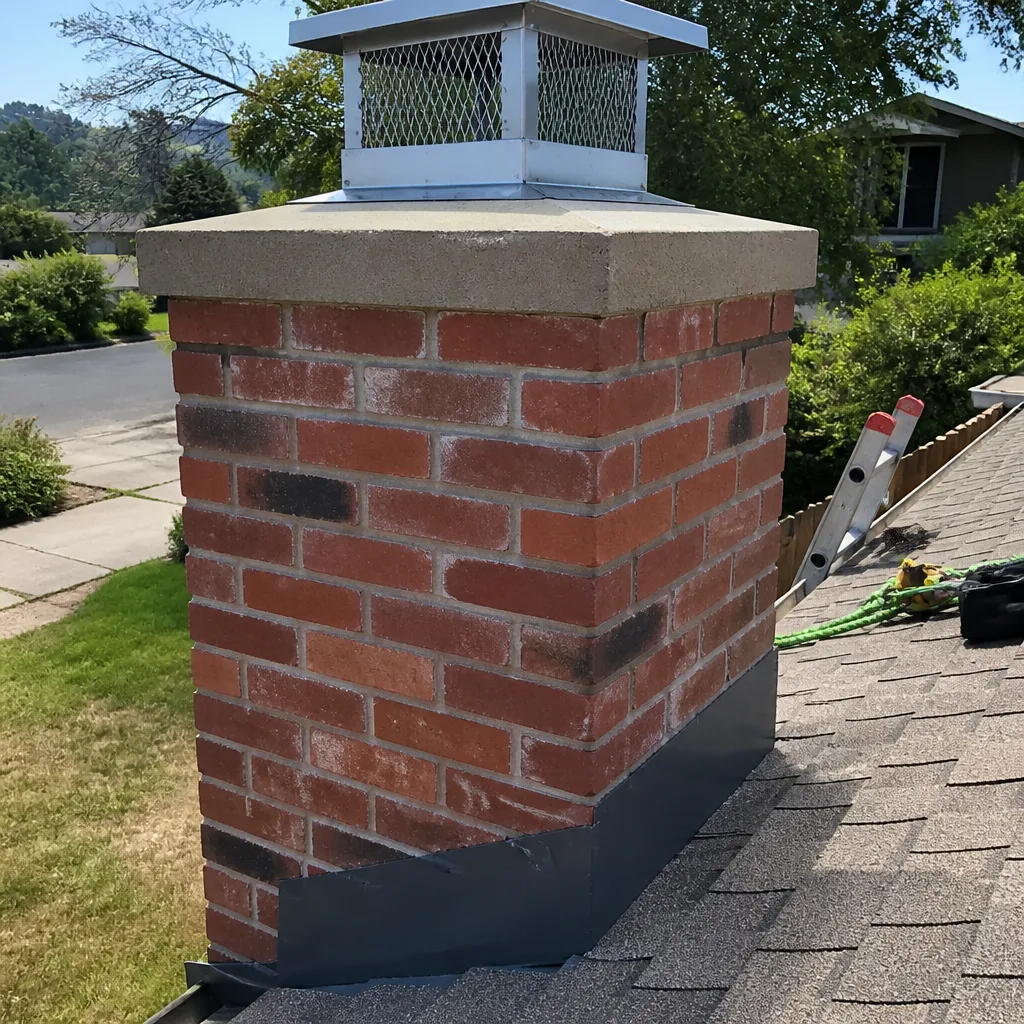
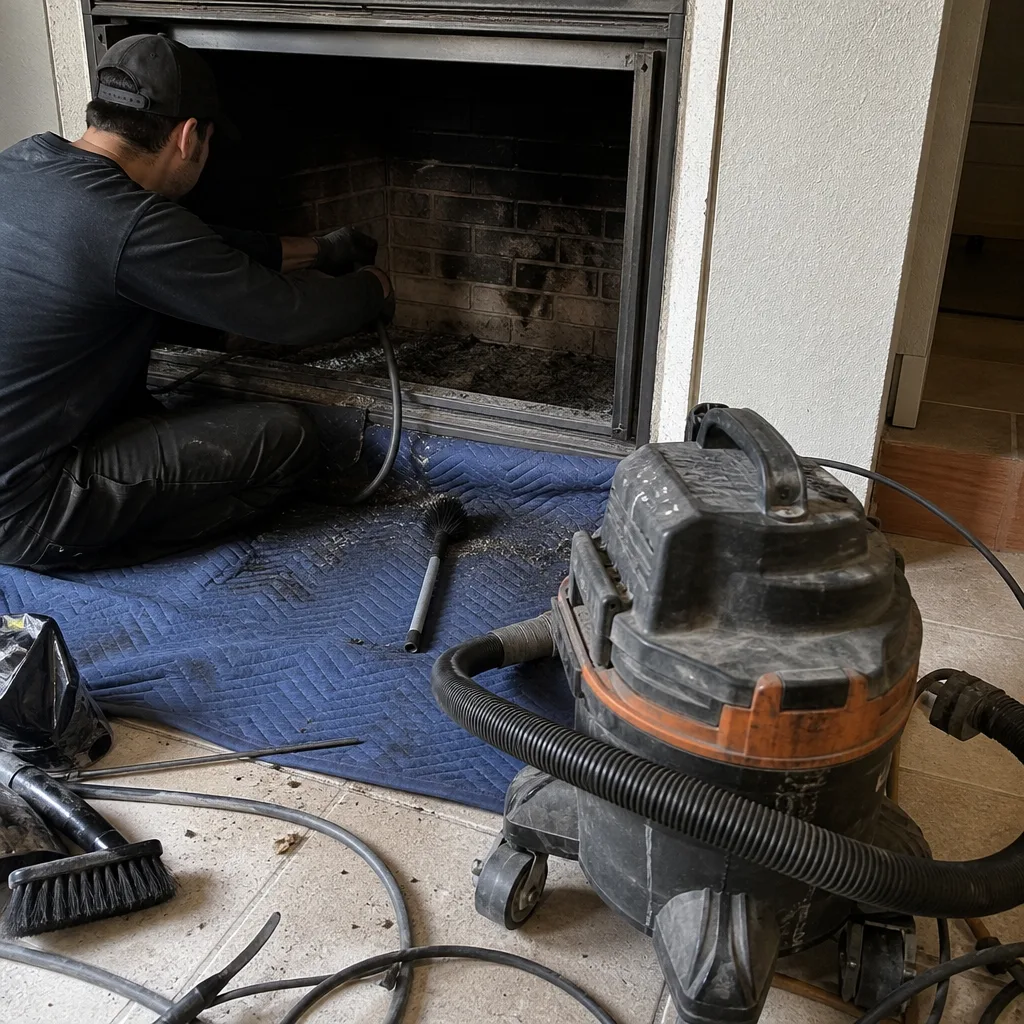 Before
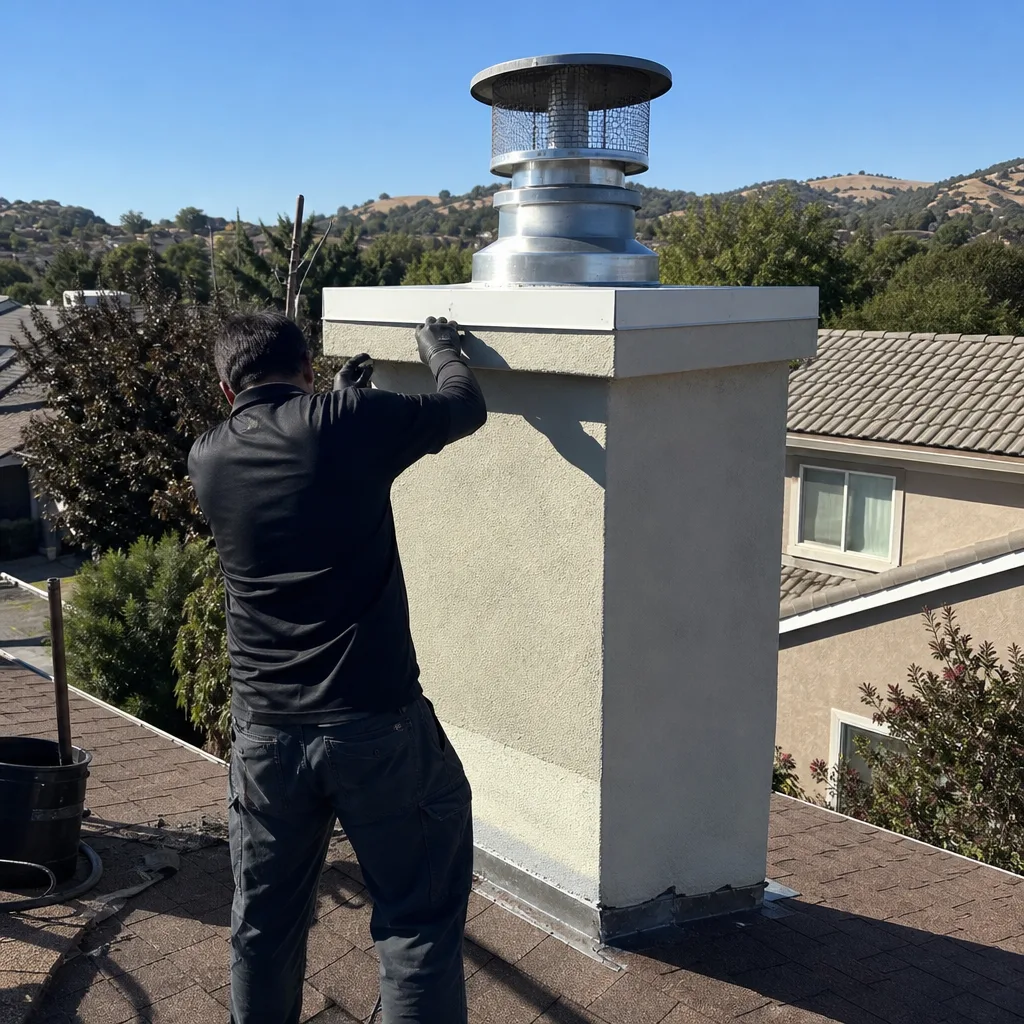 After
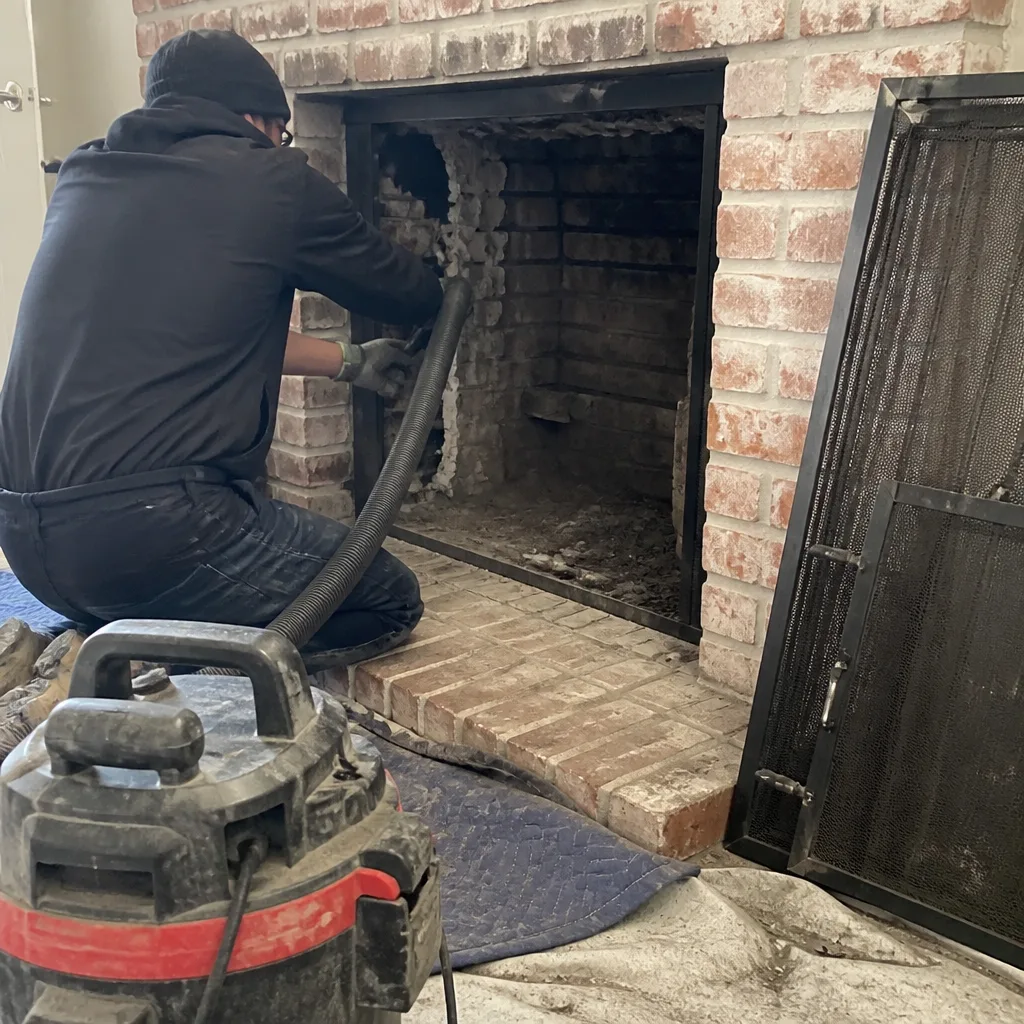
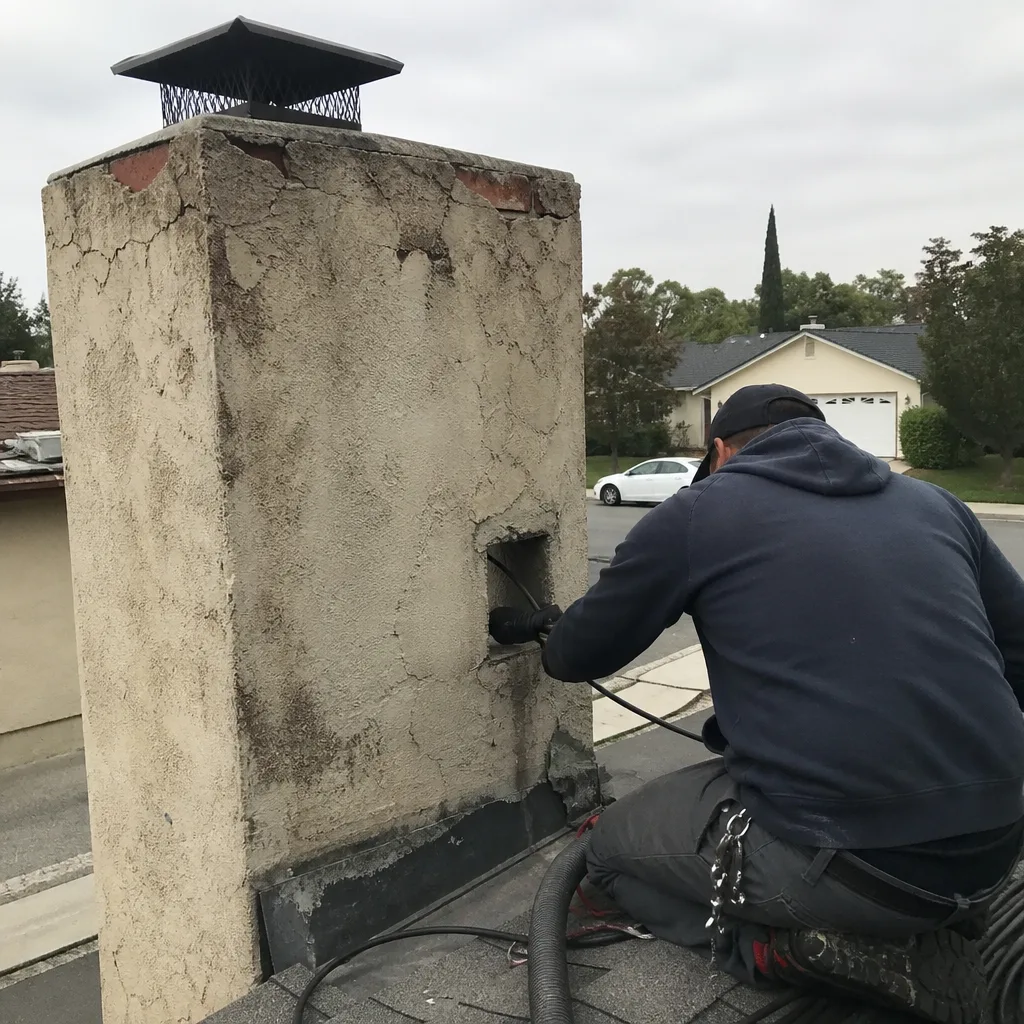 Before
 After
 Before
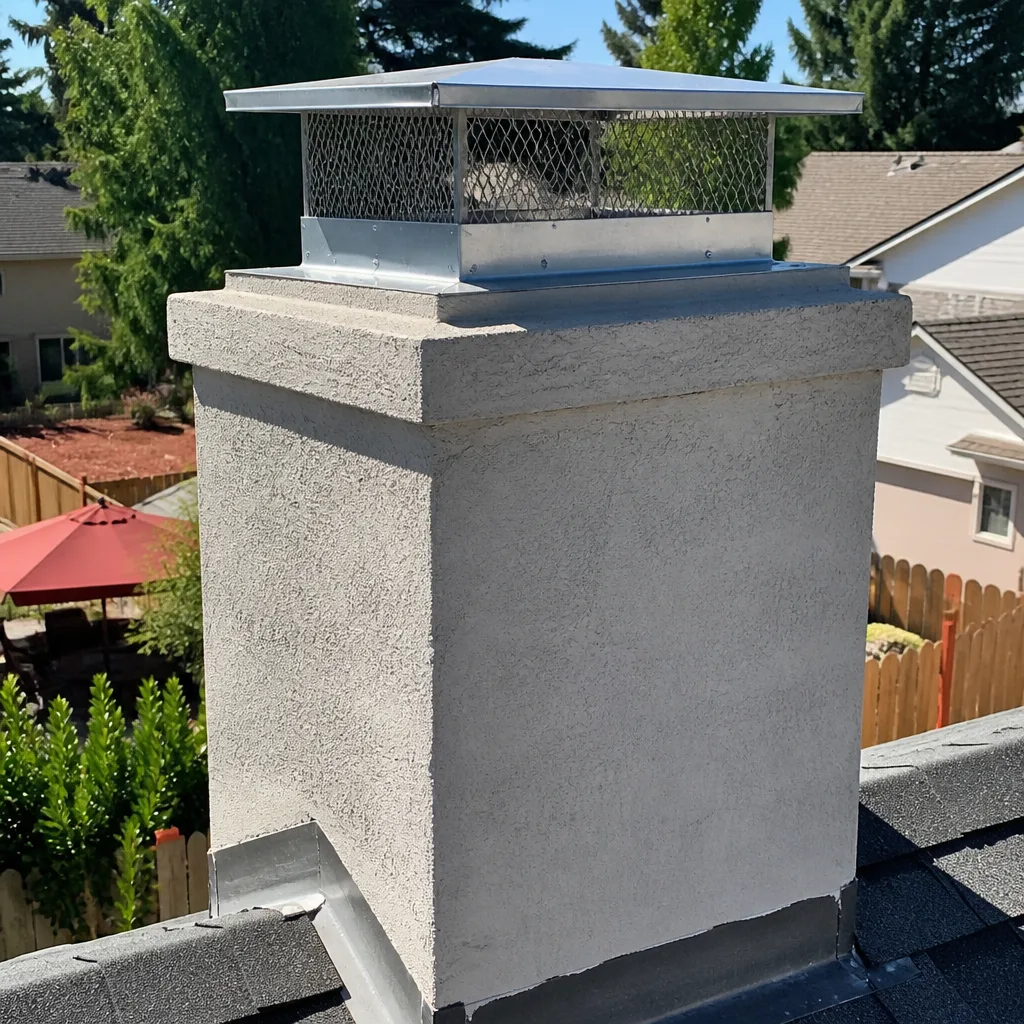 After