
Last updated November 2, 2026
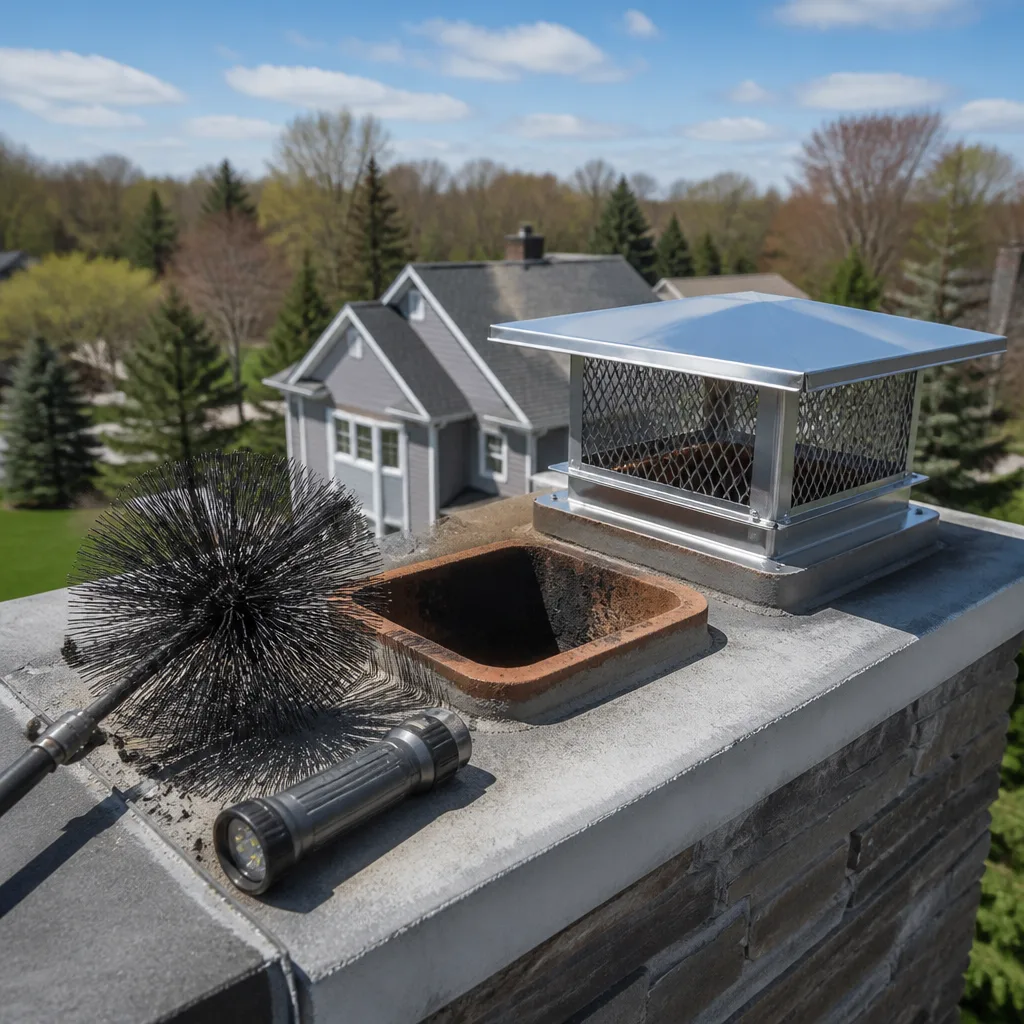 Sweep & inspection
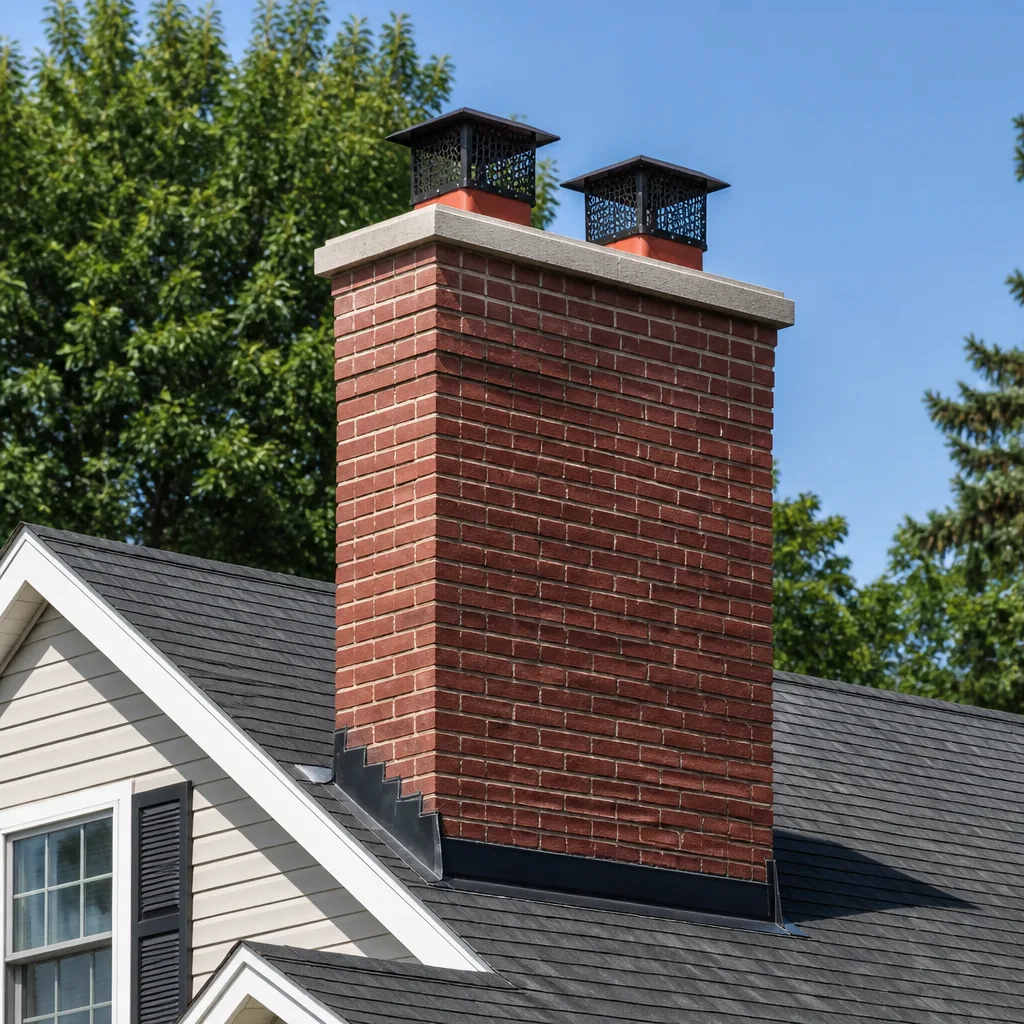 Caps & crowns
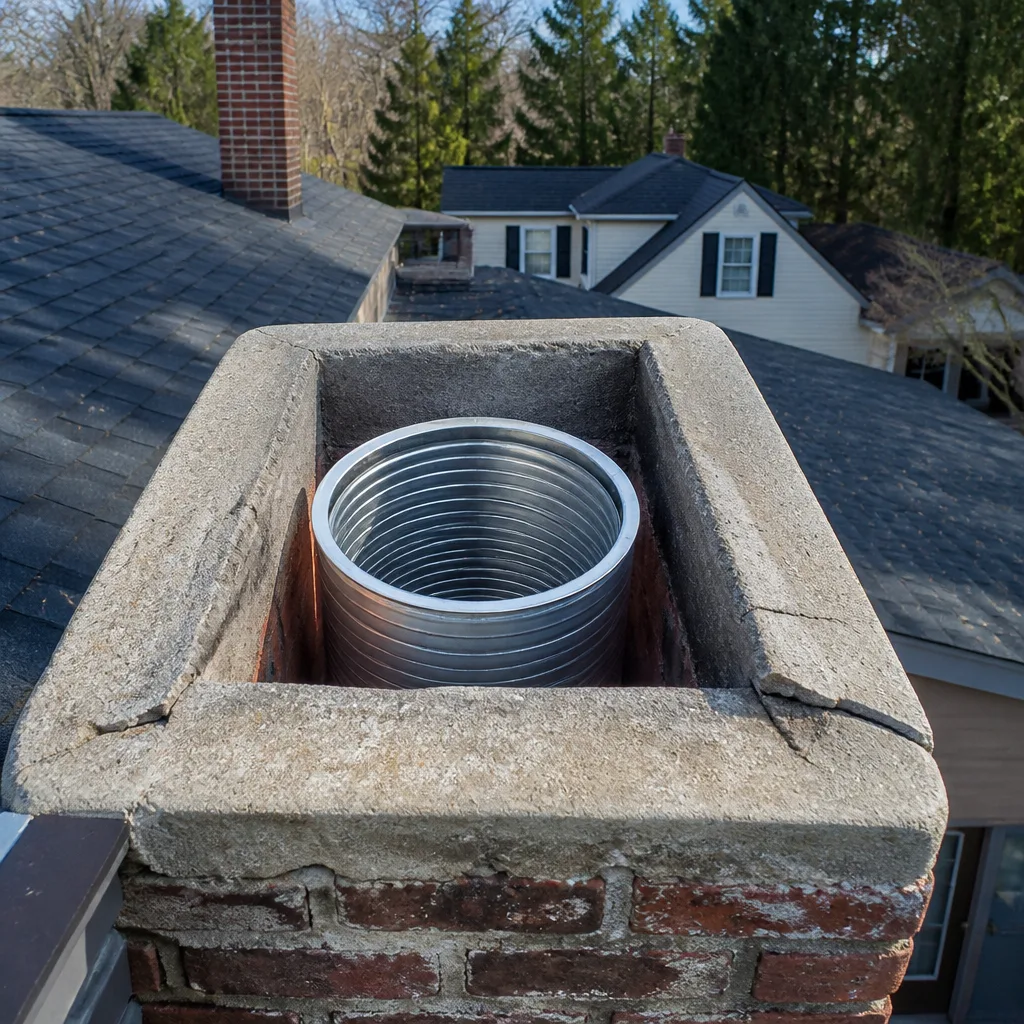 Flue relining
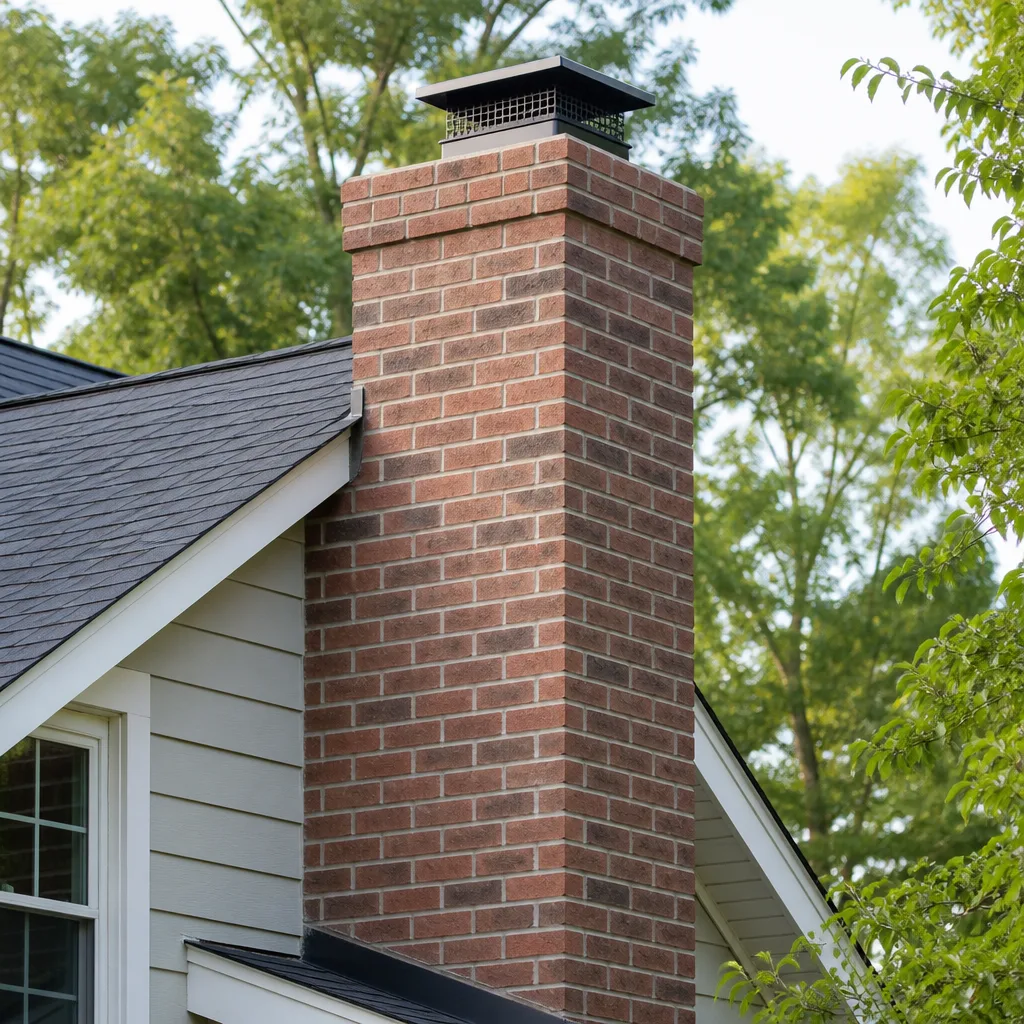 Masonry repair
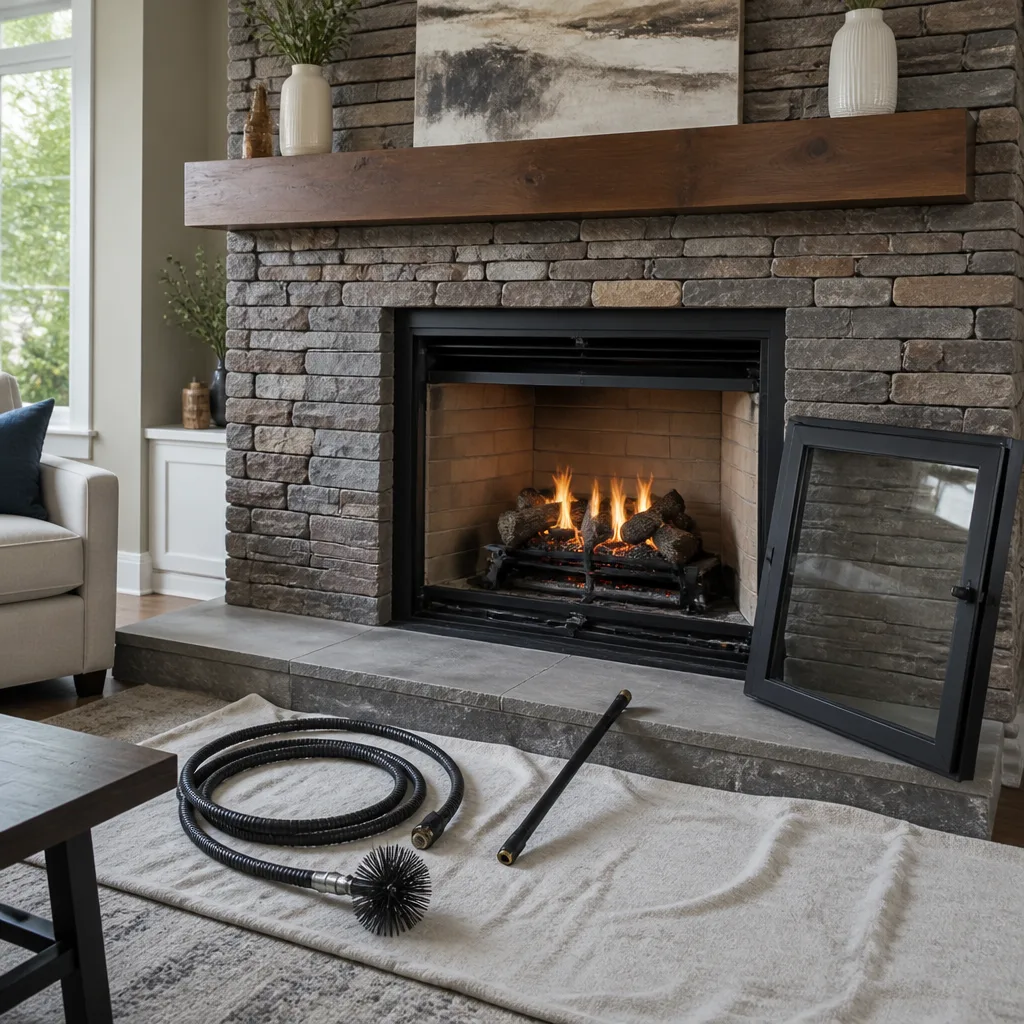 Gas fireplace service
Level 1 sweep and inspection to the NFPA 211 annual standard - flue, crown, cap, and flashing checked and photographed
Chimney sweep logs do not sweep chimneys. They loosen some creosote - which then falls where a brush and vacuum still have to collect it.
Seasonal Chimney Cleaning Care for Berryessa: Year-Round Homeowner’s Guide
Most chimney maintenance advice written for American homeowners assumes the biggest threat is freeze-thaw cycling. Water gets into brick, freezes, expands, and cracks the structure over repeated winters. That logic works in Chicago or Boston. It falls apart in Berryessa, where overnight lows below 28°F happen maybe twice a decade. What Berryessa chimneys actually contend with is a different set of stressors: months of dry summer heat baking mortar joints, late-summer wildfire smoke moving through flues while dampers sit closed, fall marine moisture condensing inside chimneys, and winter inversion layers that trap combustion gases close to the roofline. This guide rebuilds the chimney maintenance calendar around those specific conditions. If you’ve been following generic advice for Boise or Minneapolis, you’ve been optimizing for weather we don’t have, and missing the weather we do.
Quick Answer
The most important chimney maintenance window in Berryessa is late August through early October, not late fall. Sweep and inspect before the first fire of the season, after summer heat has finished stressing the mortar and before fall fog introduces condensation that turns light creosote deposits into hard glazing. A second, shorter inspection in March or April catches winter damage before summer heat amplifies it.
Styles & brands we work with
- Sweep & inspection
- Caps & crowns
- Flue relining
- Masonry repair
- Gas fireplace service
Table of Contents
- Why Berryessa’s Climate Changes the Chimney Maintenance Calendar
- The Berryessa Month-by-Month Chimney Task Calendar
- Summer Heat Cycling and Masonry: What Actually Happens
- Fall Fog, Condensation, and Creosote Glazing
- Winter Inversion Layers and Draft Problems
- The Spring Post-Season Inspection: A Separate Event
- Gas vs. Wood-Burning Fireplaces: Different Schedules in Berryessa
- The Dryer Vent Connection: Why a Chimney Company Cares
Why Berryessa’s Climate Changes the Chimney Maintenance Calendar
Berryessa sits in a Mediterranean climate zone. Rain falls almost entirely between November and April. Summers are warm and dry with daytime highs frequently in the 80s and 90s from June through September. Humidity stays low. The diurnal temperature swing is significant: summer days can reach 90°F while nights drop into the 50s, a 30-plus degree daily cycle. Fall brings coastal fog that pushes inland during overnight hours, raising relative humidity even without rain. Winter, especially December through February, produces periodic temperature inversions in the South Bay where a warm air layer traps cooler air below it, holding combustion gases and particulates close to the ground.
Each of these conditions affects chimney systems differently, and none of them match the freeze-thaw model that dominates national chimney advice. The summer heat cycle stresses the mortar joints between bricks through thermal expansion. The fall fog period creates condensation inside flues, which reacts with creosote deposits from the prior season. Winter inversions affect draft, not masonry, but they matter for anyone burning wood or gas during those months. A spring inspection catches damage from winter rain penetration before the summer heat cycle widens small cracks into structural problems.
We’ve helped homeowners in Berryessa maintain their chimney systems through every season, and the ones who adapt their schedule to this climate spend less on structural repair over time. That’s the central point of this guide: sweep timing matters more than sweep frequency, and the two most important annual events in Berryessa are late-summer prep and spring assessment.
The Berryessa Month-by-Month Chimney Task Calendar
The following calendar assumes a wood-burning fireplace used regularly from roughly November through March, and occasionally during cooler fall evenings. Adjust slightly for gas fireplaces or occasional-use fireboxes, but the inspection timing holds.
January
Action: Mid-season visual check of the firebox and exterior chimney.
Check the firebox for excessive soot accumulation. Look at the exterior brick at eye level from the ground: any white chalky staining (efflorescence) indicates water is moving through the masonry. During inversion events, watch for smoke lingering near the roofline after a fire. If you’re burning wood regularly, do the “quarter-inch rule”: when creosote in the firebox reaches a quarter inch thick, the flue needs attention.
February
Action: Check the chimney cap and spark arrestor after winter storms.
Berryessa gets most of its rain January through March. A secure chimney cap keeps rain out of an open flue and keeps birds from nesting during early spring. We’ve replaced more caps damaged by storm debris in February than any other month. If you can safely view the cap from the ground or an upper window, look for denting, shifted screens, or rust around mounting hardware.
March
Action: Schedule the spring post-season inspection.
Once the regular burning season winds down in March, book a professional inspection before the end of April. This is a separate event from the fall pre-season sweep. Its job is to identify water penetration, liner surface wear, or mortar deterioration that occurred during the rainy season, giving you months to address problems before burning returns. More on this in the spring section below.
April
Action: Address spring inspection findings. Order repairs early.
Contractors and chimney companies get busy in late summer when everyone realizes their fireplace isn’t ready for fall. If your spring inspection found a cracked flue tile or deteriorating mortar joint, scheduling the repair in April or May means you’re not competing for the same fall appointment windows. Repair materials like Gelco refractory products and Olympia Chimney components are in steady supply during spring, with no late-season shipping delays.
May
Action: Inspect the chimney exterior yourself; schedule the fall appointment.
In May, do your own ground-level visual check. Look for spalling brick faces, loose mortar, or vegetation growing from joints. Check the flashing where the chimney meets the roofline for lifting or cracking. Then, before summer starts, book your late-August or September professional sweep. The best Berryessa appointment windows fill by mid-summer.
June – July
Action: Leave the chimney alone. Let summer heat do its thing.
This is the period when thermal expansion stresses whatever weaknesses already exist in the masonry. There’s nothing useful to do during these months beyond keeping the damper closed and the cap in place. If you haven’t booked your fall sweep yet, do it now.
August
Action: The critical pre-season sweep and inspection window opens.
Late August is the single most important period in the Berryessa chimney calendar. The summer heat cycle has finished its annual stress test on the mortar joints. The flue contains whatever deposits accumulated last season, now baked and cured by months of dry heat. Getting a professional sweep and inspection between mid-August and mid-September means two things: you catch heat-related masonry issues before rain and fog arrive, and you start the season with a clean, verified flue rather than waiting until November when everyone else is scheduling. This is the point where we regularly see spring failures in older Berryessa homes that didn’t seem problematic in March.
September
Action: Complete the pre-season sweep if not already done. Test the draft.
If August slipped by, September is still fine. After the sweep, do a test burn with a few small logs. Watch for smoke rollback into the living space, which is more common in fall when chimney draft can be weak due to mild outdoor temperatures. A cold chimney on a 65°F evening drafts poorly. Prime the flue by holding a lit rolled newspaper near the damper for 30 seconds before lighting the main fire.
October
Action: Final fall check; address any condensation issues before regular burning.
October brings the first overnight fog cycles of the season. After a foggy night, check the interior firebox for dampness. Condensation from marine moisture can form on cooler flue surfaces, and if creosote remains from prior seasons, that moisture contributes to glazing, a hard, tar-like form of creosote that’s difficult to remove with brush sweeps alone. This is one reason the September sweep matters: a clean flue has nothing to glaze.
November – December
Action: Burn correctly. Monitor draft during inversion periods.
With the pre-season work done, your job is operation. Burn seasoned hardwood. Keep fires moderate rather than smoldering. During inversion events (common December through February), open a window slightly if the home is tightly sealed, and note whether smoke ever lingers near the roofline before dissipating. That’s not a chimney problem, it’s an atmospheric condition, but it’s worth keeping in mind if anyone in the household has respiratory concerns.
Summer Heat Cycling and Masonry: What Actually Happens
Chimney masonry expands when it heats up and contracts when it cools down. In Berryessa, this cycle runs daily for four to five months rather than the freeze-thaw cycling that northern climates experience in winter. The daytime sun heats the exterior brick face while the interior flue surface stays cooler, creating a temperature differential across each brick unit. The bricks and mortar expand at slightly different rates, and over years, the bond between them weakens. This is a slow process, but it accelerates when existing micro-cracks allow water in from winter rain, or when previous repair work used a mortar mix that was harder than the original brick.
The visual signs of summer heat stress appear at the end of August:
- Hairline vertical cracks running through mortar joints, especially near the top of the chimney where there’s less mass to absorb expansion
- Brick faces that have flaked or spalled, often visible as chips on the roof or in the gutter below
- Loose mortar crumbs collecting on the smoke shelf or firebox floor
- Gaps opening between the chimney structure and the roofline flashing
- Efflorescence returning after rain, indicating water is finding new paths through the masonry
None of these symptoms develop overnight, and most don’t appear during the summer itself. They’re the result of cumulative thermal cycling that shows up when inspected with a trained eye. We recommend a visual check from the ground in May and a professional assessment in late August, after the season’s heat has done whatever damage it’s going to do. Addressing a 1/16-inch mortar crack in September costs less than rebuilding a chimney crown in March. Products like Olympia Chimney caps and Famco venting components are designed to protect against exactly these failure modes, but they only work if the underlying masonry is sound.
Fall Fog, Condensation, and Creosote Glazing
Berryessa’s fall fog season typically starts in October and runs through early winter. Overnight marine moisture pushes inland, and the air temperature inside a chimney flue can be several degrees cooler than the dew point, causing water vapor to condense on the flue walls. For an unused fireplace, this mostly creates dampness and occasionally a musty smell. For a fireplace that saw heavy use last winter and was never swept, it creates a chemical condition that turns left-behind creosote into something worse.
Creosote forms in three stages. Stage one is loose, flaky soot that brushes off easily. Stage two is a thicker, tarrier deposit that builds when fires burn at moderate temperatures and the flue surface is slightly warm. Stage three, glazed creosote, is a hard, shiny, carbonized layer that forms when stage two deposits go through repeated heating and cooling cycles in the presence of moisture. Fall fog supplies the moisture. Even a lightly used fireplace that accumulated only a thin stage two layer during the previous winter can develop glazing by November if the flue sits damp through October.
Glazed creosote is a different cleaning project than standard soot removal. It doesn’t respond to wire brushes, and mechanical scraping alone can damage older clay tile liners. Removal typically requires chemical treatment, specialized rotary tools, or in cases of severe buildup, liner remediation. The professional sweep process we use in Berryessa takes these local conditions into account because a fireplace in this ZIP code faces a different creosote risk profile than one in, say, Phoenix where the air stays dry through the fall.
The practical takeaway: sweep before fog season starts, even if your fireplace was only used lightly the previous winter. A September sweep is cheap insurance against a November glazing discovery.
Winter Inversion Layers and Draft Problems
Temperature inversions are a recognized winter phenomenon in the South Bay. A layer of warm air traps cooler air underneath it, and the trapped air accumulates particulates, moisture, and combustion byproducts. For chimney function, this affects draft in a specific way: the chimney’s ability to draw smoke upward depends on the pressure and temperature difference between the flue interior and the outdoor air at the chimney top. During inversion conditions, the outdoor air is unusually stable, which weakens natural draft. Fires that would draw fine on a clear December evening can perform poorly during an inversion day, with smoke rollback or sluggish starts.
There are a few ways to compensate, and none involve replacing the chimney:
- Prime the flue more thoroughly. The standard newspaper trick takes 30 seconds. During inversion conditions, double it. Hold a lit bundle near the open damper until you clearly feel the air moving upward.
- Check the cap for creosote buildup. Weak draft causes more particulate deposition on chimney caps and spark arrestor screens. A partially blocked screen makes draft even worse. If your cap screen looks clogged, have it cleaned or replaced with a Famco or equivalent screen component.
- Open a window on the leeward side of the house. Modern Berryessa homes are often tight, and when the outdoor air is stable, the house interior can’t supply enough replacement air for the fire. A window cracked an inch on the side away from the wind often restores draft.
- Burn smaller, hotter fires. A moderate, hot-burning fire creates more draft than a large, smoldering one. During inversion days, smaller loads with more air produce less smoke and draw better.
The Spring Post-Season Inspection: A Separate Event
Most Berryessa homeowners think about chimney maintenance once a year, in the fall, because that’s when the fireplace becomes relevant again. That’s understandable, but it treats the system as a seasonal appliance and misses a full year of structural wear. The spring inspection exists for a different purpose than the fall sweep, and treating them as one event leaves gaps in protection.
The fall pre-season sweep answers a single question: Is this safe to burn? It removes creosote, checks the damper, and verifies that the flue is clear. It’s about fire safety and operational readiness.
The spring post-season inspection answers a different question: What did the winter do to this structure? Winter rain is the primary source of water damage to Berryessa chimneys. Water enters through cracked crowns, deteriorating mortar joints, compromised flashing, or missing caps. A spring inspection, ideally in March or April, looks for water intrusion paths before the summer heat cycle widens them. This is also the window where chimney repair work is most efficiently scheduled, since the work can be completed well before burning season returns.
Specific things we check during spring inspections that aren’t relevant during fall sweeps:
- Moisture readings in the masonry, which indicate whether water is being absorbed but not yet visible as staining
- Flashing integrity after a full rainy season, when lifted or cracked flashing shows up clearly
- Liner surface wear from the prior burn season, especially in the first few feet above the smoke chamber where temperatures peak
- Crown and wash condition, since small fractures now become pathways for next winter’s water
- Chase top rust or seal failure on prefab chimney units, common in newer Berryessa construction
For homeowners with DuraFlex or HeatShield liner systems, spring is also the time to assess whether resurfacing or relining will be needed in the next year or two. These systems last a long time when maintained, but catching surface deterioration early extends their lifespan further and avoids a mid-winter failure.
Gas vs. Wood-Burning Fireplaces: Different Schedules in Berryessa
Not every Berryessa home has a wood-burning fireplace. Gas fireplaces and gas log sets are common in newer construction and in homes where the original wood-burning chimney was converted. The seasonal logic changes for gas appliances because there’s no creosote production and no ember or spark risk. But gas fireplaces still need annual attention, and the Berryessa timing differs from a wood-burning schedule.
For gas fireplaces, the pre-season service should still happen in late summer or early fall, but for different reasons. The primary concerns are:
- Dust and debris accumulation in the burner ports from a summer of disuse, which affects flame quality and produces carbon monoxide
- Nesting activity from birds or insects that entered through an uncapped vent during spring
- Gas valve and thermocouple function after months of inactivity
- Venting confirmation, especially for direct-vent or B-vent systems where a blocked vent is a carbon monoxide hazard
Gas appliances don’t produce creosote, so fall fog moisture is less relevant. But gas combustion produces water vapor, and condensation can still form in cooler vent runs during fall, potentially causing rust in older metal venting. The inspection that matters for gas is less about cleaning and more about function and vent integrity. The Chimney Sweep in Berryessa service covers both wood and gas systems, and the seasonal timing is the same even when the underlying work differs.
If your home has a wood-burning fireplace you never use, and you’ve considered converting to gas, the spring inspection is the right time to evaluate the conversion path. A clean, sound flue makes a gas conversion straightforward. A cracked clay liner or deteriorated smoke chamber adds cost and scope, and you’d rather know in April than in October.
The Dryer Vent Connection: Why a Chimney Company Cares
A dryer vent is not a chimney, and this guide has focused on fireplaces. But any company doing whole-home combustion and venting safety should address dryer vents, because the failure mode is the same: lint accumulates in the vent run, restricts airflow, and creates a fire hazard. The NFPA identifies failure to clean dryer vents as a leading cause of home dryer fires, and in Berryessa’s dry summer and fall conditions, a lint-clogged dryer vent is a genuine risk.
The seasonal timing for dryer vent cleaning in Berryessa runs roughly parallel to chimney maintenance, but the reasons differ. Dryers run year-round. Lint accumulation is a function of usage, not weather. The recommendation is annual cleaning for an average two-person household, more often for larger families or if the vent run is long or makes multiple turns. Summer is the best time to schedule, since the weather is dry and the appliance is working harder against warmer ambient air, which reduces drying efficiency and adds heat to the exhaust stream.
Signs a dryer vent needs attention include:
- Clothes taking noticeably longer to dry on normal settings
- The dryer or its surrounding area feeling unusually warm during operation
- A burning smell when the dryer runs, which can indicate lint ignition near the heating element
- Visible lint around the exterior vent hood or in the dryer’s lint trap area after a cycle
- The vent hood flap not opening fully when the dryer is running
We recommend bundling dryer vent cleaning with an annual chimney sweep or inspection where practical. It’s one service call, one appointment window, and the same safety logic applies: airflow problems in any combustion or exhaust system create fire risk.
Common Mistakes to Avoid
- Waiting until November to schedule a sweep. By November, the best appointment windows in Berryessa are gone, and if the inspection finds a problem, you’re either delaying your first fires or burning with a known issue. Late August to mid-September is the right booking window.
- Skipping the spring inspection. Many homeowners rationalize that a fall sweep “covers” the year. It doesn’t. Water damage from winter rain needs to be caught in spring, before summer heat widens cracks.
- Burning unseasoned wood. In Berryessa’s mild winters, a smoldering fire of wet wood produces more creosote than a hot, clean burn of properly dried hardwood. The cooler flue temperatures won’t burn off those deposits, and they’ll bake on during the following summer.
- Ignoring the chimney cap. An open, uncapped flue invites rain, birds, and debris. A damaged cap is worse than a missing one because it may partially obstruct the flue while still allowing water entry.
- Attempting serious chimney cleaning or repair as a DIY project. Working on a roof is inherently dangerous, and diagnosing a liner defect requires professional equipment. Surface soot removal from the firebox is fine. Any work on the flue, liner, crown, or cap should involve a pro.
- Assuming gas fireplaces don’t need service. Gas appliances still need annual checks for vent integrity, burner function, and CO safety. The absence of creosote doesn’t mean the absence of risk.
- Treating a dryer vent as an appliance issue rather than an exhaust system. A clogged dryer vent is a fire safety issue, not an inconvenience. It needs professional cleaning and inspection just like a flue.
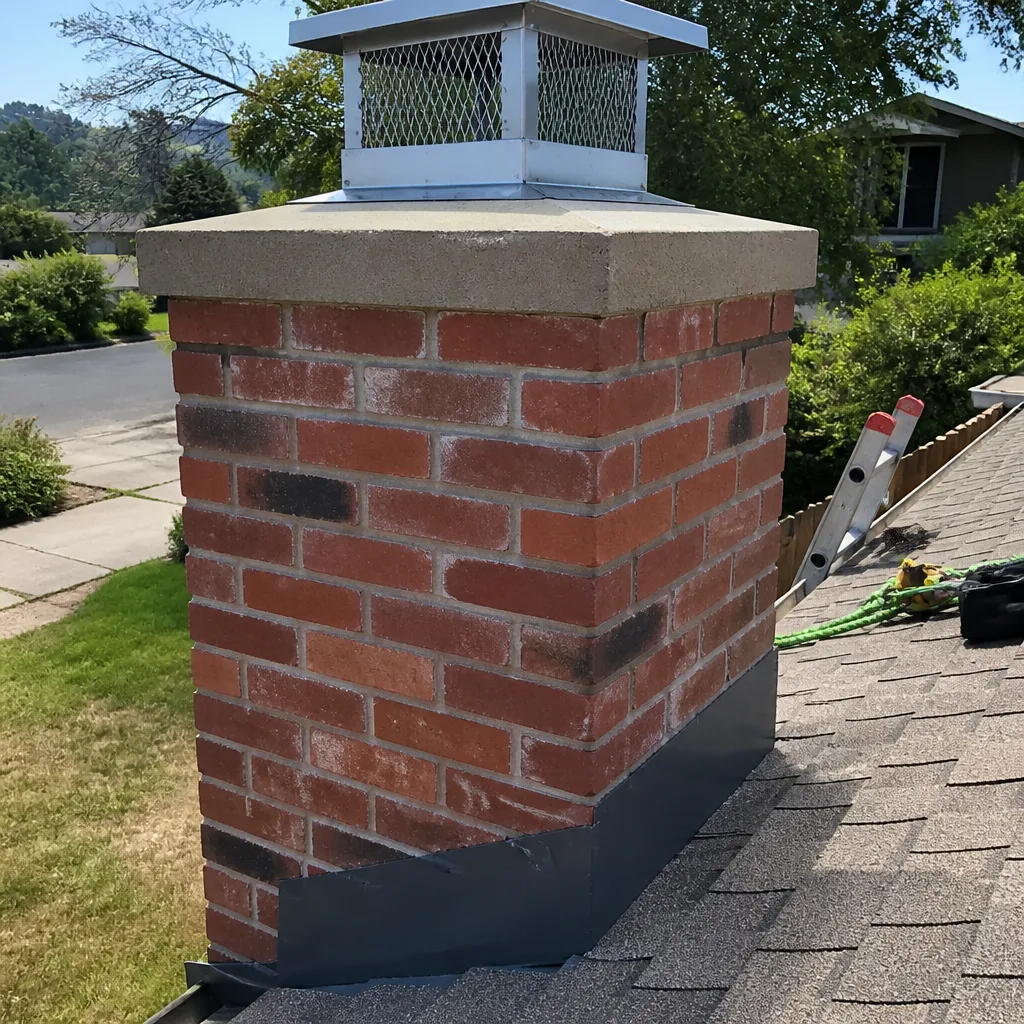
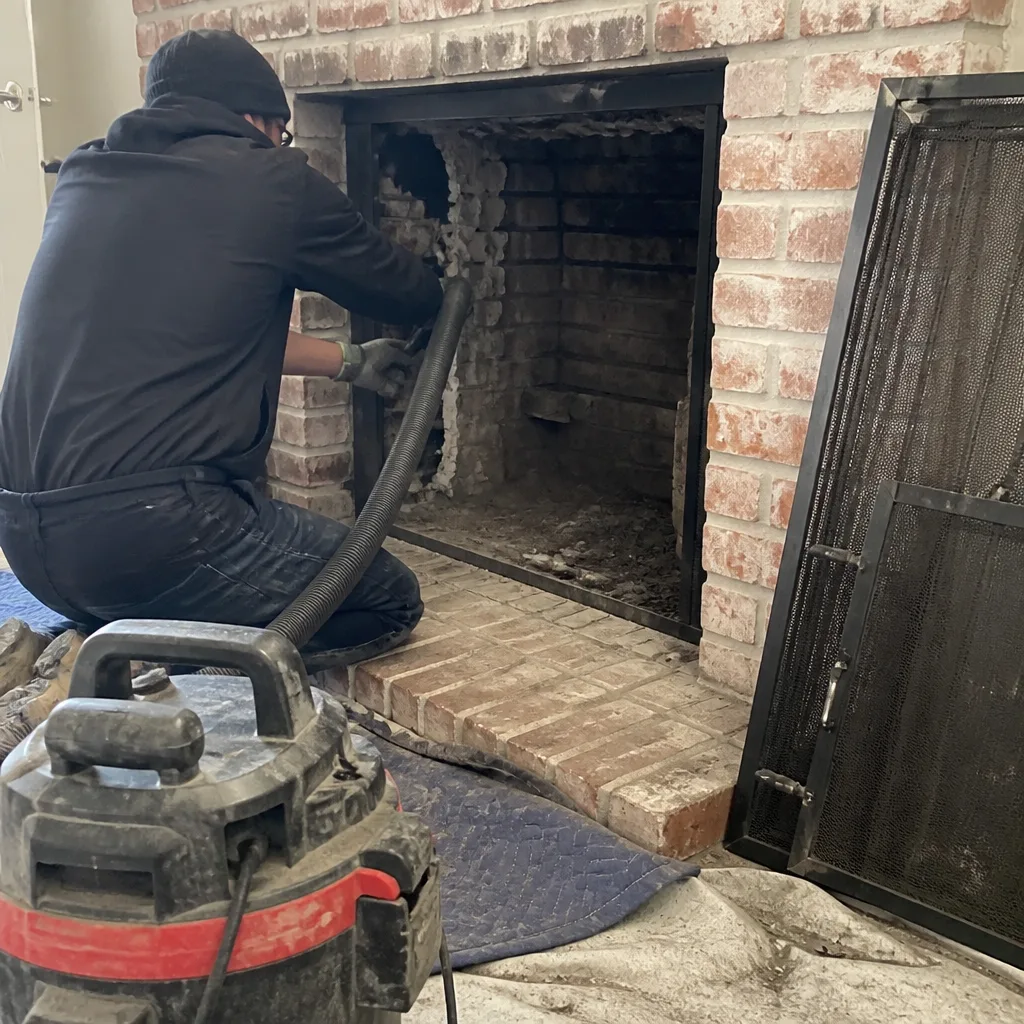
See the difference
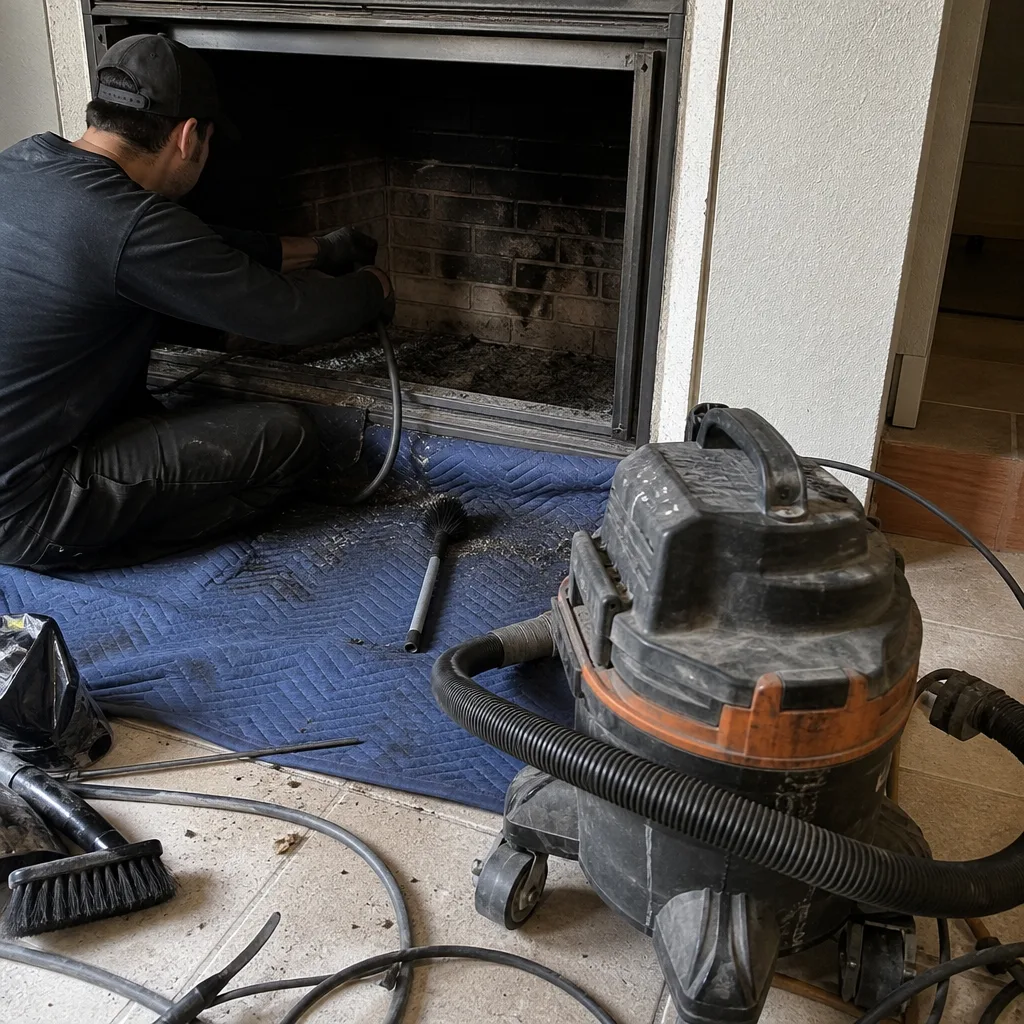 Before
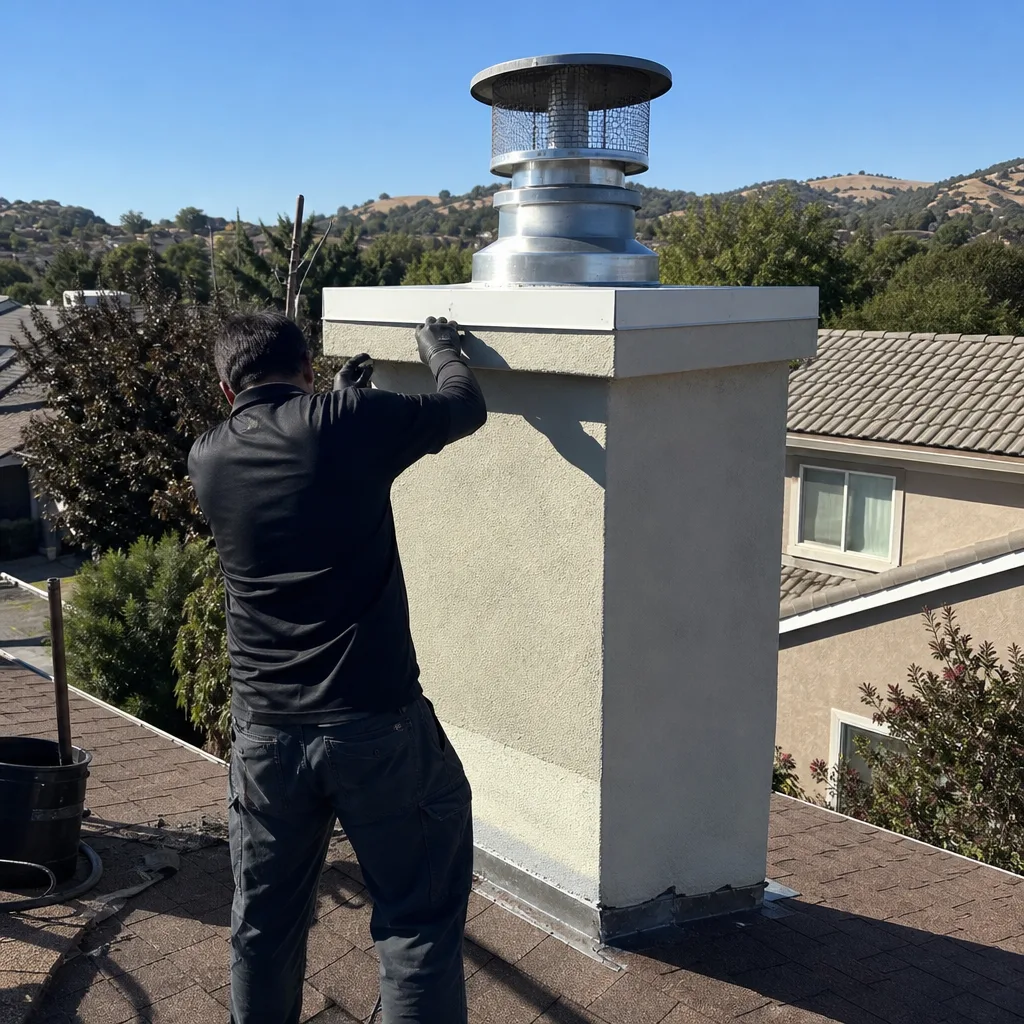 After
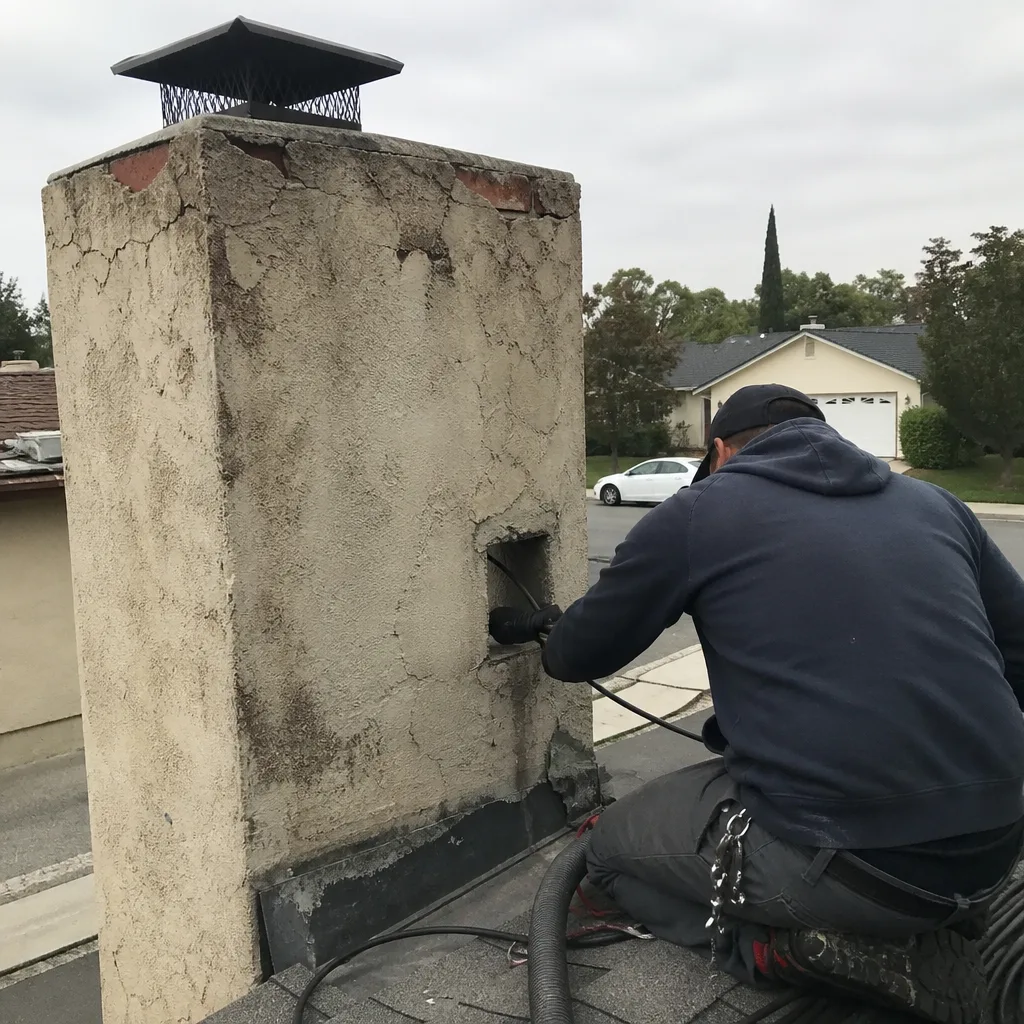 Before
 After
 Before
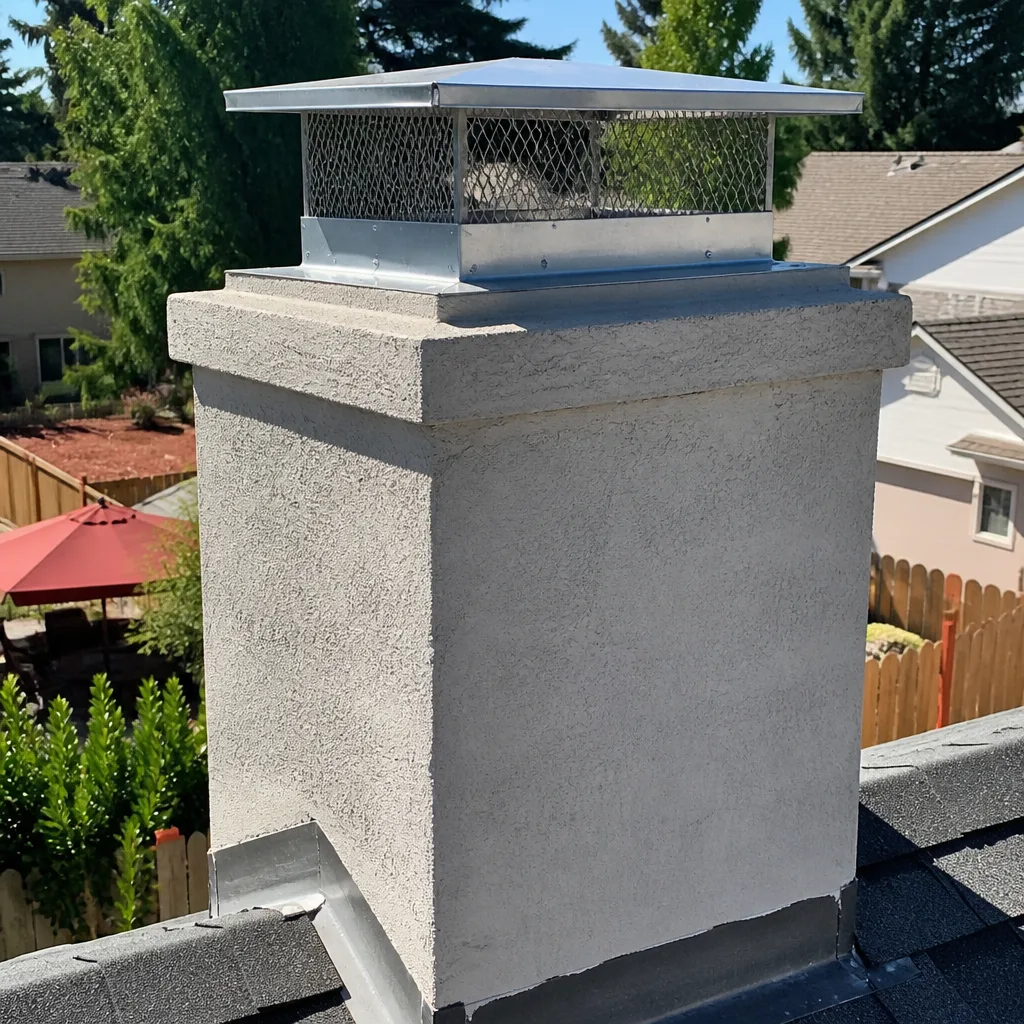 After
When to Call a Professional
Call a professional chimney service if you see brick faces spalling or flaking, mortar joints opening, or white efflorescence staining appearing or returning after rain. Call if you smell smoke in the living space after a fire has been burning for several minutes, which suggests a draft or obstruction problem. Call if your chimney cap is damaged, missing, or visibly clogged. Call if your last inspection was more than a year ago and you can’t remember what it found. And call if your dryer is taking longer to dry loads despite a clean lint trap, since this often signals vent restriction behind the wall. Chimney Sweep Berryessa home covers the full sweep, repair, and dryer vent scope for Berryessa homeowners. Estimates are free, and we stand by what the camera shows. If you’re in Berryessa, call (877) 610-3049 to schedule.
Frequently Asked Questions
A wood-burning chimney in Berryessa should be swept once per year if used regularly during the season, or once every two years if used only occasionally, with a professional inspection recommended annually either way. The local climate doesn’t change the frequency, but it does change the timing: sweep in late August or September, before fog season begins and before the first burn.
Chimney sweep pricing in Berryessa typically ranges from $180 to $350 depending on the level of inspection, the height and accessibility of the chimney, and whether significant creosote removal is required. Glazed creosote removal or repair work identified during the inspection will add to the total. Call (877) 610-3049 for an exact quote, estimates are free.
Even occasional use produces creosote, and in Berryessa’s fall fog conditions, light creosote can glaze over quickly once condensation starts. The bigger question is whether the flue and masonry are sound, regardless of how often you burn. An annual inspection answers that. A sweep might only be needed every other year for light use, but the inspection is non-negotiable.
Creosote builds to a level where a standard brush sweep can’t remove it, requiring chemical or rotary treatment. Water finds its way through cracking mortar or a deteriorating crown, and bypassed inspections mean cracked liners go unnoticed until they create a fire risk or carbon monoxide escape path. Repairs that would have been minor become structural. None of this is theoretical; it’s the pattern we see in Berryessa homes that go years between service calls.
Yes, but slowly. Daily thermal expansion and contraction over hundreds of summer days wears on the mortar bond and any existing cracks. The damage is rarely dramatic, but it accumulates. An end-of-summer visual check is the right way to catch early-stage heat stress, and a professional inspection in late August is ideal timing.
Yes. A gas fireplace that’s not burning properly or venting correctly can produce carbon monoxide. Dust and debris in the burner ports cause incomplete combustion, and a blocked vent or malfunctioning damper seal can prevent exhaust from leaving the home. Annual service on a gas fireplace is the standard recommendation from manufacturers and safety organizations.
The Bottom Line
Berryessa’s chimney care calendar is built around heat, fog, and inversion layers, not snow and ice. The critical window is late August through September, when the summer heat cycle is done and the fall moisture cycle hasn’t started. That’s when you sweep, inspect, and address whatever the year has done to your flue. A spring inspection runs a close second, catching winter water damage before summer amplifies it. Gas and wood fireplaces follow the same seasonal schedule even though the work differs, and dryer vent cleaning fits naturally into the same appointment. One call covers it all: sweep, inspect, repair, and vent cleaning. Written by the team at Chimney Sweep Berryessa, serving Berryessa since 2013. Call (877) 610-3049 for a free estimate.