
Last updated November 2, 2026
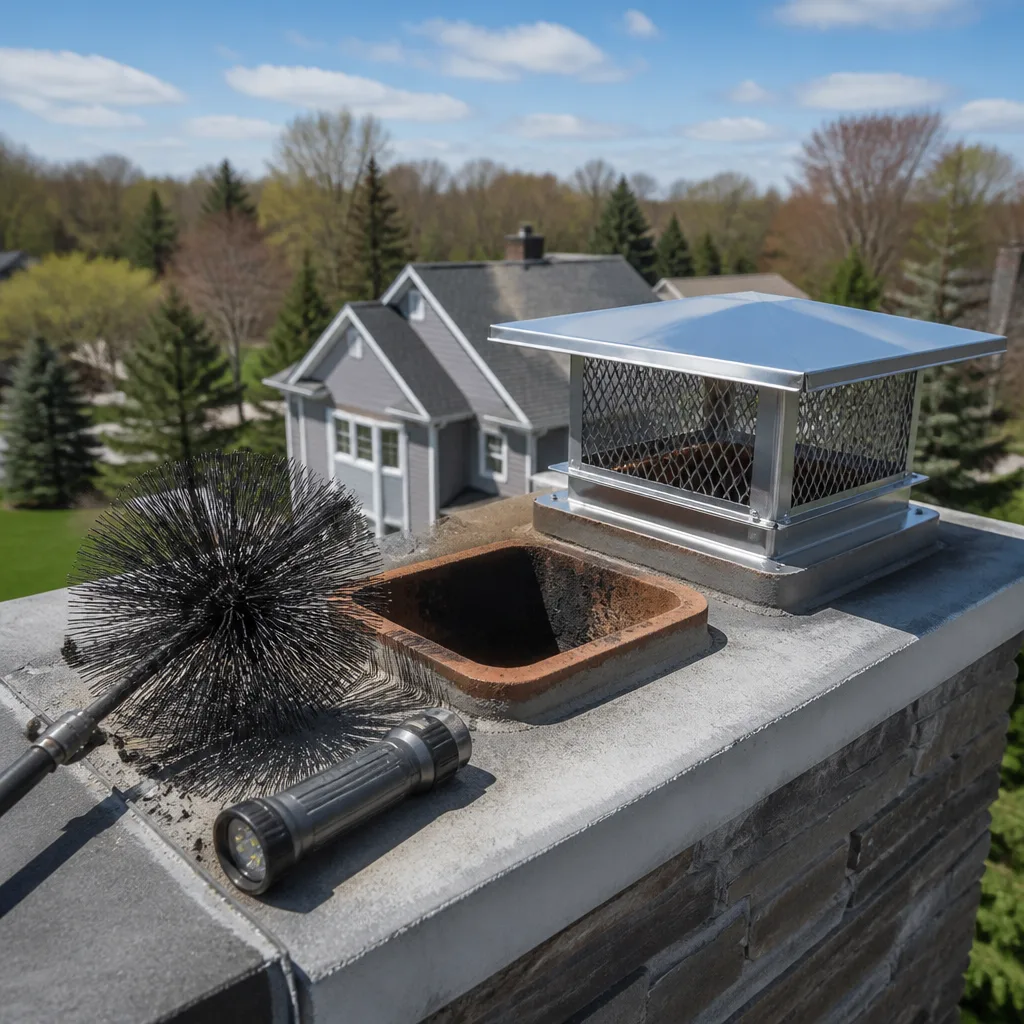 Sweep & inspection
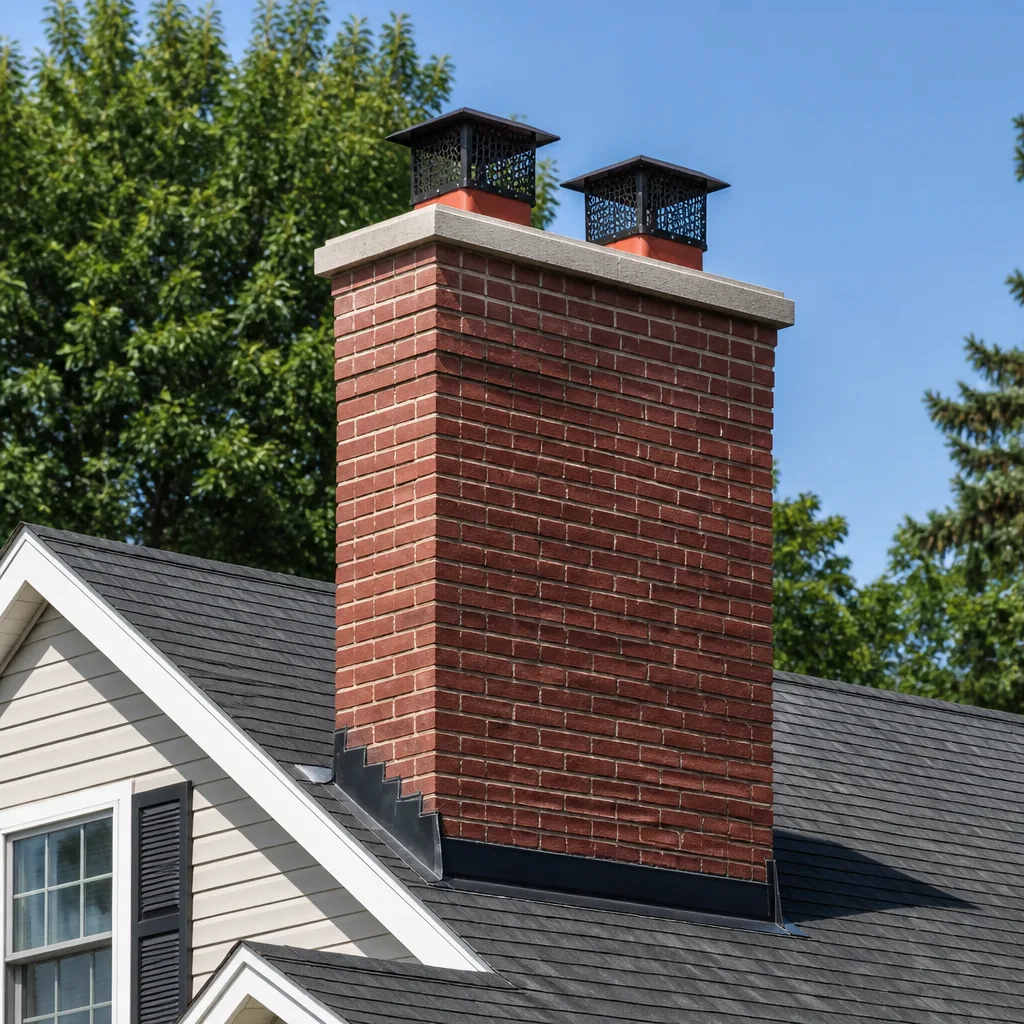 Caps & crowns
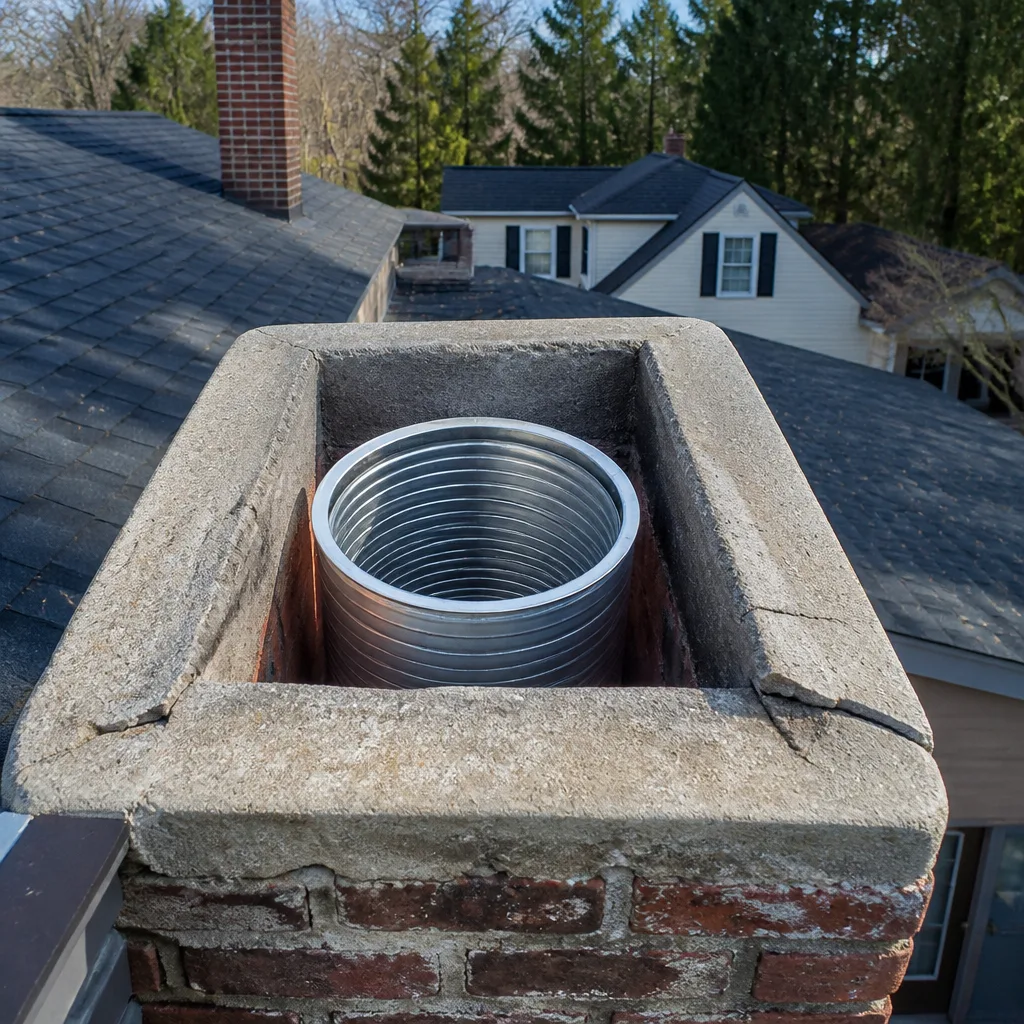 Flue relining
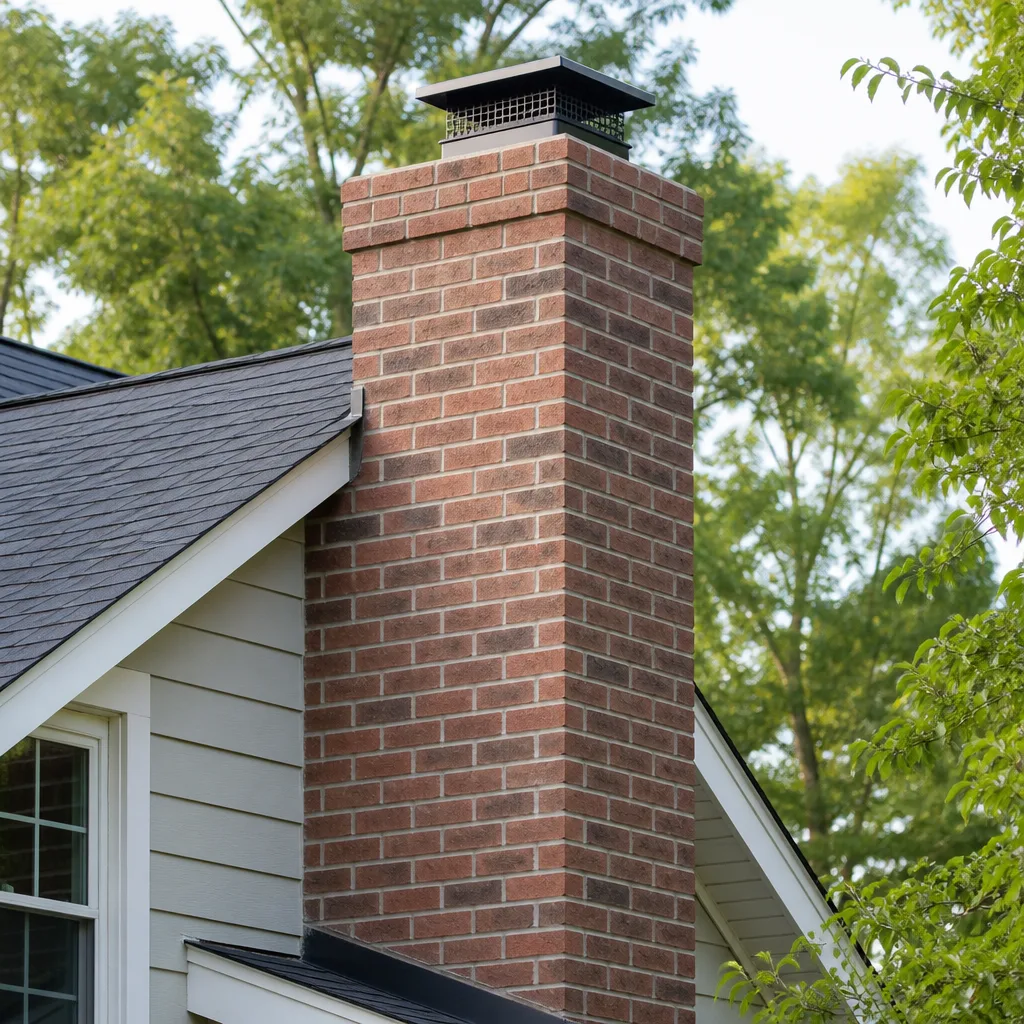 Masonry repair
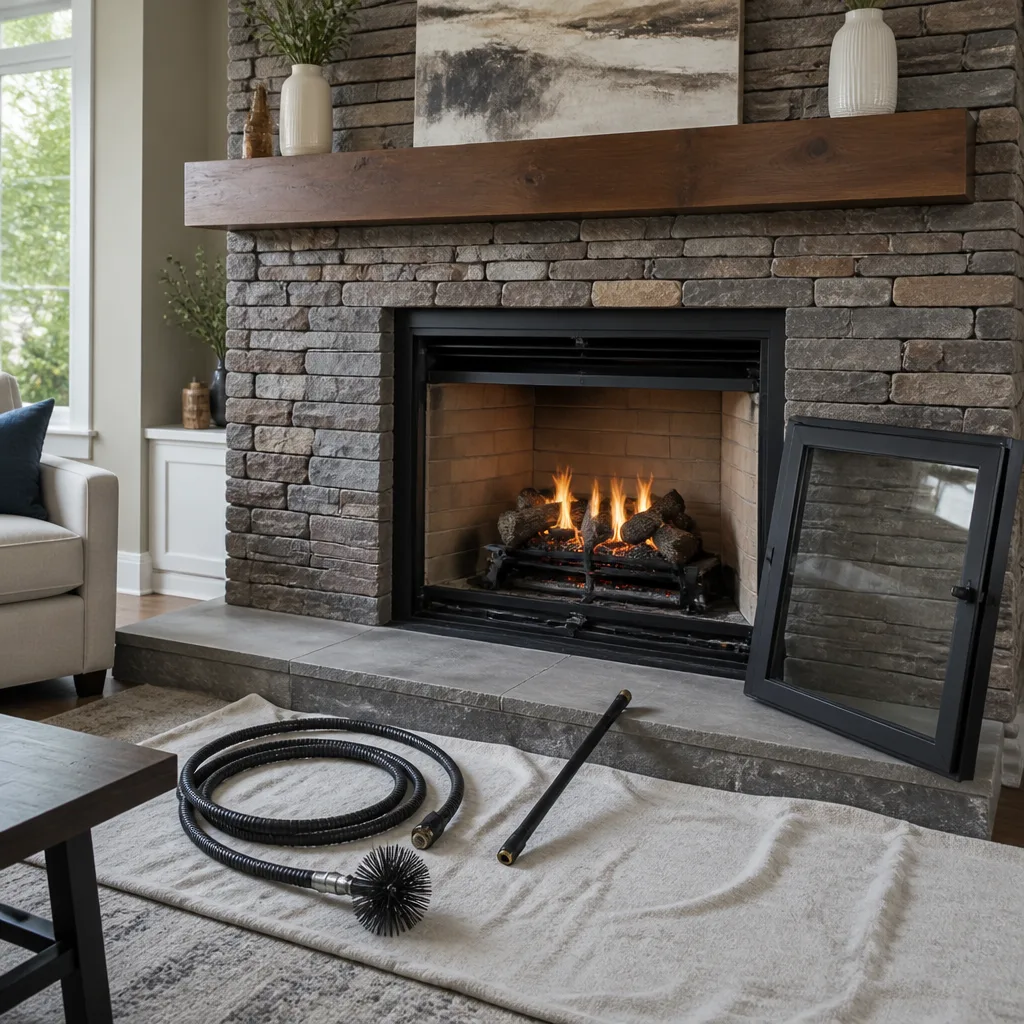 Gas fireplace service
Level 1 sweep and inspection to the NFPA 211 annual standard - flue, crown, cap, and flashing checked and photographed
Chimney sweep logs do not sweep chimneys. They loosen some creosote - which then falls where a brush and vacuum still have to collect it.
Chimney Cleaning Emergency Preparedness Guide for Berryessa Homes
A chimney fire doesn’t always sound like a fire. Some burn slowly and silently inside the flue for hours, detectable only by a faint crackling sound, unusual heat radiating from the chimney breast, or a dense, acrid smoke smell that doesn’t match the fireplace’s usual scent. The homeowner assumes everything is normal. Then the masonry cracks, or the nearby framing ignites, and what started as a slow creosote burn becomes a structure fire. This guide is written for Berryessa homeowners who want to understand the actual failure modes of a chimney system, the early warning signs, and what to do in the critical 90 seconds between detecting a problem and it becoming an emergency.
Quick Answer
Chimney emergency preparedness for Berryessa homes means knowing three distinct emergency types (fast-burn flue fire, slow creosote fire, and carbon monoxide intrusion), recognizing their different warning signs, and having a practiced response sequence. The single most important preparatory step is a professional chimney inspection that documents liner condition, creosote stage, and damper reliability before heating season begins.
Styles & brands we work with
- Sweep & inspection
- Caps & crowns
- Flue relining
- Masonry repair
- Gas fireplace service
Table of Contents
- The Three Chimney Emergency Types Every Berryessa Homeowner Should Know
- The Chimney Fire Response Sequence: What to Do in the First 90 Seconds
- Assessing Your Chimney’s Emergency Risk Profile Before an Incident
- Early Warning Signs Most Homeowners Miss
- Carbon Monoxide Intrusion: The Silent Emergency
- What Berryessa Fire Department Wants You to Have on Record
- Post-Incident Protocol: What Happens After a Suspected Chimney Fire
- A Preventive Maintenance Schedule That Reduces Emergency Risk
The Three Chimney Emergency Types Every Berryessa Homeowner Should Know
Most homeowners think of chimney emergencies as one thing: a chimney fire. In practice, there are three distinct emergency types, and each presents differently. Knowing the difference determines whether you evacuate, call 911, or simply close the damper and call a professional the next morning.
Fast-burn flue fire is what most people picture when they hear the phrase “chimney fire.” It happens when creosote deposits ignite and burn with enough air to create a rapid, intense fire inside the flue. The signs are dramatic: a roaring sound that some homeowners compare to a freight train or a low-flying aircraft, flames or sparks shooting from the chimney top, and dense smoke. In Berryessa, where winter nights can drop into the 30s and fireplaces run hot for hours, fast-burn fires tend to occur after a period of heavy creosote accumulation followed by a very hot fire. These fires are dangerous because they can reach temperatures exceeding 2,000°F, enough to crack flue tiles and compromise the chimney’s structural integrity in minutes.
Slow creosote fire is the fire that doesn’t announce itself. Rather than a roaring burn, it smolders inside the flue at lower temperatures, sustained by a limited oxygen supply. The signs are subtle: a persistent crackling sound from inside the chimney, a hot chimney breast even after the fire has been burning for only a short time, and an acrid, oily smoke odor that lingers in the house. Slow creosote fires can last for hours. They’re problematic because they gradually damage the flue liner and can ignite nearby wood framing through radiant heat transfer, all while the homeowner remains unaware. In our experience with older Berryessa homes, slow creosote fires are the type we most often find evidence of during inspections that follow a homeowner’s vague sense that “something wasn’t right.”
Carbon monoxide intrusion is the third emergency type, and it’s the one that doesn’t involve fire at all. It occurs when combustion gases fail to exhaust properly and instead back up into the living space. The causes vary: a blocked flue, a damaged liner, negative air pressure inside the home, or a damper that’s been left closed during a fire. Carbon monoxide is colorless and odorless, which means the first sign is often physical: headache, nausea, dizziness, or disorientation. If multiple people in the household experience these symptoms simultaneously, or if symptoms improve when everyone leaves the house, carbon monoxide is the prime suspect. This emergency requires immediate evacuation and a call to 911.
Understanding which emergency type you’re dealing with isn’t academic. It determines your response, and your response determines the outcome.
The Chimney Fire Response Sequence: What to Do in the First 90 Seconds
If you suspect a chimney fire, the sequence matters. The order of actions, and what you do not do, can be the difference between a damaged liner and a lost home. Here is the exact sequence recommended by fire safety professionals.
- Close the damper if you can reach it safely. This cuts off the primary air supply to the firebox, which reduces the oxygen feeding the flue fire. Do not reach into the firebox or get close to the fire to do this. If the damper handle is hot or the fire is intense, skip this step.
- Evacuate everyone from the home immediately. Do not stop to gather belongings. Do not investigate further. A chimney fire can spread to structural framing faster than most people expect, especially in older Berryessa homes with wood-frame construction and decades of accumulated creosote in the flue.
- Call 911 from outside the home. Tell the dispatcher you have a suspected chimney fire and give your address clearly. Berryessa is served by the San Jose Fire Department, and their dispatchers are trained to route chimney fire calls as a structural fire response.
- Do not open the firebox to investigate. This is one of the most common mistakes homeowners make. Opening the firebox door introduces a rush of oxygen that can cause a smoldering flue fire to flash over into a fast-burn fire. It also puts you directly in the path of intense heat and possible flame rollout.
- Do not go on the roof. Never attempt to inspect the chimney top or extinguish a flue fire from above. Roof access during a fire emergency puts you at risk of falls, burns, and toxic fume exposure.
- Wait for the fire department to complete their assessment. They will examine the chimney structure and surrounding areas. Do not relight the fireplace, even if the visual signs of fire are gone. A Level 2 inspection is mandatory before the fireplace is used again.
This sequence is simple, and simple is what works in an emergency. Practice it mentally a few times each season. The goal is to make the response automatic.
Assessing Your Chimney’s Emergency Risk Profile Before an Incident
Every chimney has a risk profile, and it’s determined by three variables: liner condition, creosote stage, and damper reliability. These are the factors that determine whether your chimney is prepared for heavy use or is a latent emergency waiting for the right conditions. A professional inspection documents all three in writing, which is why it’s the single most valuable step in emergency preparedness.
Liner condition is the structural checkpoint. A flue liner’s job is to contain heat and combustion gases, channeling them safely upward and outward. In older Berryessa homes built before the 1980s, clay tile liners are common, and clay tiles crack under thermal stress. Once a liner is cracked, heat and gases can reach the masonry or wood framing behind it. That’s the emergency pathway. Homes with a Chimney Repair in Berryessa history may have had liners replaced with stainless steel systems from manufacturers like DuraFlex or Olympia Chimney. These liners are rated for the temperatures produced by wood-burning fireplaces and are far less prone to cracking than aging clay tile.
Creosote stage is the fuel load assessment. Creosote forms as a natural byproduct of wood combustion, and it builds up in stages. Stage 1 creosote is a flaky, sooty deposit. Stage 2 is a granular, crystalline coating that’s difficult to remove with basic brushes. Stage 3 is a hard, glossy, tar-like glaze that’s highly combustible and requires specialized removal techniques. The National Fire Protection Association advises sweeping when creosote accumulation reaches 1/8 inch. In practical terms, that means most wood-burning fireplaces in regular use need an annual or biennial sweep. A chimney with Stage 3 creosote is essentially a fuel-lined flue waiting for a hot fire.
Damper reliability is the control checkpoint. The damper regulates airflow and seals the firebox when the fireplace is not in use. A damper that doesn’t close fully lets conditioned air escape year-round, but more importantly for emergency preparedness, a damper that doesn’t open fully or sticks during operation can cause smoke and carbon monoxide to back up into the living space. In our inspection work around Berryessa, we regularly find dampers rusted open or corroded shut in homes where the fireplace has seen infrequent use over many years. A damper that doesn’t operate correctly is a carbon monoxide risk even before any fire is lit.
These three variables aren’t independent. A fireplace with a cracked liner and Stage 3 creosote and a failing damper isn’t three times more dangerous, it’s exponentially more dangerous. The good news is that a single inspection addresses all three, and the findings tell you exactly where your emergency risk sits.
Early Warning Signs Most Homeowners Miss
Chimney emergencies almost never happen without warning. The problem is that the warnings are subtle, and most homeowners don’t know what to look for. Here are the indicators that should prompt a call to a chimney professional before the next fire.
- Persistent smoke in the house during normal fires. A properly functioning chimney draws smoke up and out. If smoke consistently backs up into the room, especially when windows and doors are closed, the flue may be partially blocked or the damper may not be functioning properly.
- A strong, oily smell from the fireplace even when it’s not in use. This odor comes from creosote deposits that off-gas as they warm or degrade. It’s a sign that the creosote load inside the flue is significant.
- Black, flaky deposits falling into the firebox. This is creosote shedding from the flue walls. If you see it, the accumulation inside the chimney is likely worse than what’s reaching the firebox.
- Unusual sounds from the chimney during a fire. A crackling or ticking sound that isn’t coming from the burning wood itself may be creosote igniting in the flue. It’s often described as sounding like a faint campfire inside the chimney.
- Heat radiating from the chimney breast that feels excessive. Masonry chimneys do warm during use, but if the wall surrounding the fireplace is hot to the touch an hour after the fire has been lit, heat is not being properly contained by the flue liner.
- Visible rust or staining on the chimney exterior. Rust on the chimney crown or water staining on the masonry indicates water intrusion. Water damage weakens masonry and accelerates liner deterioration, setting up conditions for future failures.
Any one of these signs warrants a professional inspection. None of them should be ignored through the winter months when Berryessa temperatures drive up fireplace use and the system is under maximum thermal load.
Carbon Monoxide Intrusion: The Silent Emergency
Carbon monoxide kills roughly 400 Americans every year, and a significant percentage of those deaths involve residential combustion appliances, including fireplaces and wood stoves. A chimney is fundamentally a ventilation system. When it fails to ventilate, the gases have to go somewhere, and that somewhere is often the interior of the home.
In Berryessa, homes built during the 1950s through 1970s expansion era often have fireplaces that were designed for open-combustion operation, meaning they drew combustion air from the room itself. Many of those homes have since been retrofitted with modern windows, better insulation, and sealed building envelopes. That’s good for energy efficiency, but it changes the combustion dynamics. A tightly sealed home can create negative pressure that overwhelms the chimney’s natural draft, pulling combustion gases into the living space instead of up the flue.
The warning signs of carbon monoxide intrusion during fireplace use are not the same as smoke. Carbon monoxide is invisible and odorless, which means the human body is the only detector most people have. The symptoms to watch for include:
- Headache that develops after the fire has been burning for 30 minutes or more
- Nausea or a general feeling of queasiness
- Dizziness, lightheadedness, or mild confusion
- Fatigue that seems disproportionate to the time of day
- Shortness of breath
If multiple household members experience these symptoms simultaneously, or if symptoms improve after leaving the house, leave immediately and call 911. Do not open windows and “air it out” and go back to sleep. Carbon monoxide exposure is cumulative, and continuing to breathe it compounds the damage.
Every home with a fireplace should have a carbon monoxide detector installed on each level, and ideally in the room where the fireplace is located. Detectors should be tested monthly and replaced according to the manufacturer’s schedule. A detector is not a substitute for proper chimney maintenance, but it is the difference between catching an intrusion early and not catching it at all.
What Berryessa Fire Department Wants You to Have on Record
If you can’t reach your fireplace, or if you suspect a chimney fire, having documentation on hand changes the response. The San Jose Fire Department serves the Berryessa neighborhood, and their firefighters make rapid decisions based on what they can see and what homeowners can tell them. An inspection report from a professional chimney sweep gives them critical information about what’s inside the flue.
Here’s what matters to have accessible:
- A current chimney inspection report. This documents the liner material, the type of fuel you burn, the date of the last sweep, and any known defects. A Level 2 inspection, which includes video scanning of the flue interior, provides the most complete picture.
- The date of your last professional sweep. Creosote fuel load is a primary variable in fire spread. If the sweep happened two months ago, the situation is different than if it happened five years ago.
- Photographs of the chimney interior if you have them. A video scan from a Chimney Sweep in Berryessa often includes images of liner condition. If you’ve had this done, keep the images in a place you can access quickly.
- Any history of chimney repairs. If the liner was repaired or replaced, if masonry work was done, if the damper was serviced, that history tells the fire department where weak points might be.
- A log of what you’ve burned. Burning unseasoned wood, construction lumber, or large quantities of paper accelerates creosote buildup. Knowing what went into the fireplace helps explain what’s now burning in the flue.
Keep these records in a folder, either physical or digital, that you can access from outside the home during an emergency. A phone photo of the latest inspection report is often sufficient. In an emergency, you won’t have time to search.
Post-Incident Protocol: What Happens After a Suspected Chimney Fire
The fire department leaves. The smoke clears. The house is intact. That’s when the real post-incident work begins. A chimney that has experienced any level of flue fire, even a small one, cannot simply be lit again. The temperatures involved in a flue fire can compromise the liner, the mortar joints, and the surrounding masonry in ways that are invisible from the outside.
The post-incident protocol is mandatory, not optional:
- Do not use the fireplace or any connected appliance until a Level 2 inspection has been completed. A Level 2 inspection includes a video scan of the flue interior, which is the only way to see hairline cracks, displaced tiles, or loose mortar that resulted from the fire’s heat.
- Document what happened. Write down when the suspected fire occurred, what you observed, and what the fire department reported. This helps the inspecting technician focus on the areas most likely to have been damaged.
- Have the inspection performed by a qualified chimney professional. This is not a job for a generalist. A technician familiar with chimney fire damage will examine the entire system: flue liner, firebox, damper, crown, and chimney cap.
- If damage is found, do not defer the repair. A cracked flue liner is an open pathway for heat and gas to reach combustibles. Common repair approaches include chimney repair with products like HeatShield resurfacing or replacement with a stainless steel liner such as a DuraFlex system. The specific solution depends on the damage type and extent.
- Before relighting, fix whatever caused the fire. In most cases, the root cause was creosote accumulation from infrequent sweeping or burning unsuitable fuel. If the flue is clean and the liner is sound, the risk reduction is real. If the root cause isn’t addressed, the same incident will repeat.
The instinct after a chimney fire is often to avoid using the fireplace at all, or to relight it to prove everything is fine. Both reactions are mistakes. The correct path is a documented inspection, necessary repairs, and a clear-eyed understanding of what the system needs going forward.
A Preventive Maintenance Schedule That Reduces Emergency Risk
Emergency preparedness isn’t just about response. It’s about prevention. A chimney that’s professionally maintained is far less likely to produce a fire or carbon monoxide situation in the first place. The schedule below is based on the National Fire Protection Association’s NFPA 211 standard and adapted for Berryessa’s wood-burning households.
Annual: Chimney Sweep and Visual Inspection. Anyone who uses a wood-burning fireplace more than a dozen times per year should have the flue swept and inspected annually. The sweep removes creosote that has accumulated through the previous season. The inspection checks the liner, damper, crown, and cap for signs of deterioration or damage. In Berryessa, where winter is the primary burning season, late summer or early fall is the ideal time for this work, before the damp season begins and before the first fire is lit.
Every 2-3 Years: Level 2 Inspection. A Level 2 inspection uses video scanning to examine the interior of the flue in detail. It’s recommended when the home is changing ownership, after a suspected chimney fire, and routinely every few years for active fireplaces in older homes. The video scan reveals issues like hairline liner cracks, failed mortar joints, and hidden creosote deposits that a visual inspection can’t detect.
Immediately: Dryer Vent Service If It’s Been Over a Year. This isn’t a fireplace issue, but it belongs in a household combustion and venting safety plan. The NFPA identifies failure to clean dryer vents as a leading cause of home dryer fires. Chimney Sweep Berryessa offers Dryer Vent Cleaning in Berryessa as a standalone service, and it’s a safety gap most homeowners don’t think about until a problem emerges.
As Needed: Component Replacement. Chimney caps, dampers, and crowns wear out. The cap’s mesh screen rusts. The damper’s hinge corrodes. The crown cracks under freeze-thaw cycles. These components are less expensive to replace than to ignore. A damaged cap lets water in, and water in the flue accelerates creosote formation and liner deterioration. A damaged crown does the same.
This schedule isn’t complex, and it’s the single best insurance policy against emergency situations. A chimney that is swept, inspected, and repaired on schedule simply doesn’t produce the conditions that lead to most emergencies.
Common Mistakes to Avoid
- Treating every chimney fire as a major structural event. Not all chimney fires cause severe damage, but assuming yours didn’t without an inspection is reckless. A Level 2 inspection tells you what actually happened inside the flue. Skipping it means you won’t know if the liner cracked until the next fire.
- Relighting the fireplace the day after a suspected flue fire. The visual signs of a fire may be gone while structural damage remains. Even a small flue fire can create temperatures that crack clay tile liners. Relighting before inspection risks a second, more dangerous incident.
- Using the fireplace as a trash incinerator. Burning wrapping paper, cardboard, or household waste creates intense, fast-burning fires that can exceed safe flue temperatures and accelerate creosote ignition. The fireplace is for seasoned firewood only.
- Assuming a gas fireplace chimney doesn’t need inspection. Gas fireplaces still produce combustion byproducts and still rely on a functioning venting system. Vent-free gas logs produce moisture and combustion gases that can damage the firebox and flue over time. Gas fireplaces need annual inspection too.
- Ignoring dryer vent safety because the chimney gets all the attention. Dryer vents cause thousands of house fires annually, and most homeowners have never had theirs cleaned. The lint that accumulates inside the vent pipe is highly combustible and reduces dryer efficiency at the same time.
- Neglecting the chimney cap. A missing or damaged cap lets rain, birds, and debris into the flue. Water intrusion accelerates creosote formation, and a bird nest inside the flue is a direct blockage that can cause carbon monoxide backup on the first fire of the season.
- Waiting until fall to schedule a sweep when the fireplace was used heavily the previous winter. Late summer and early fall appointments fill up quickly. A spring or summer sweep leaves the chimney clean and ready when the first cold night arrives in Berryessa.
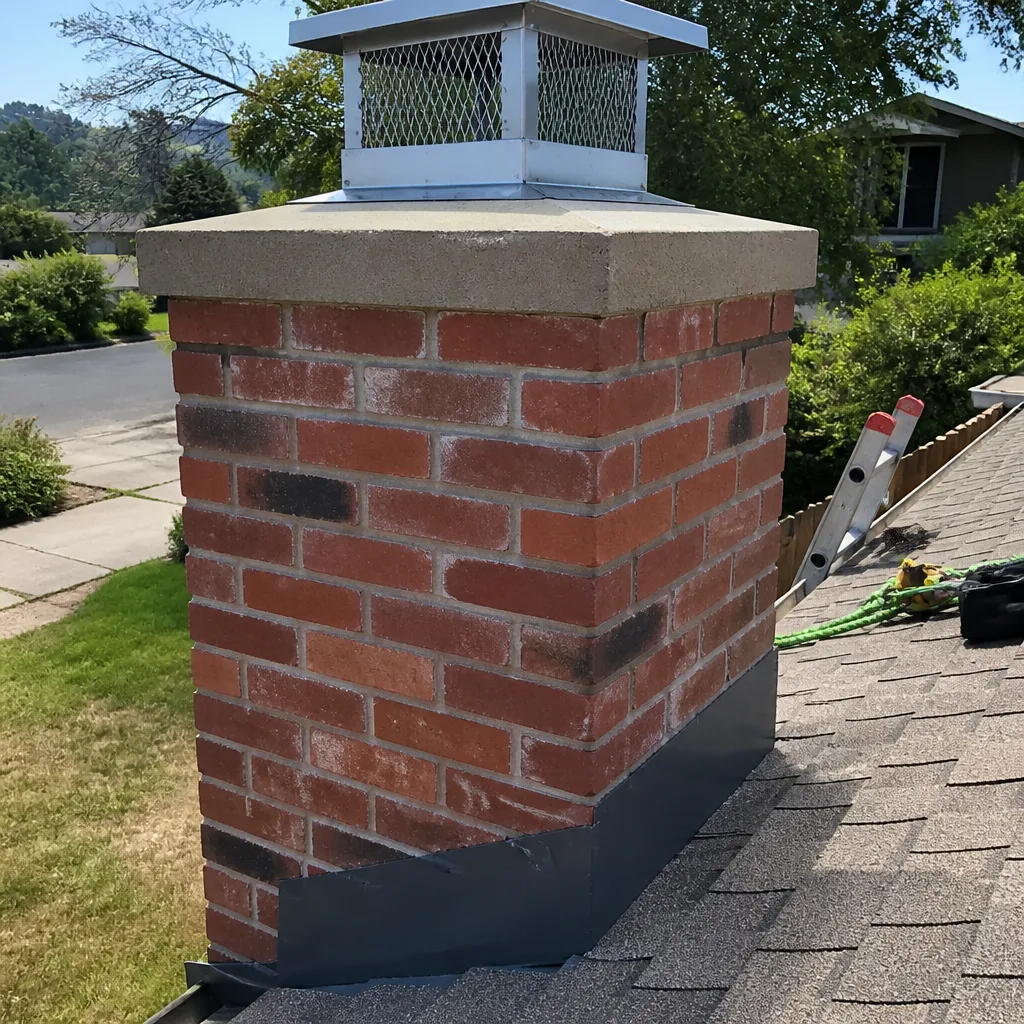
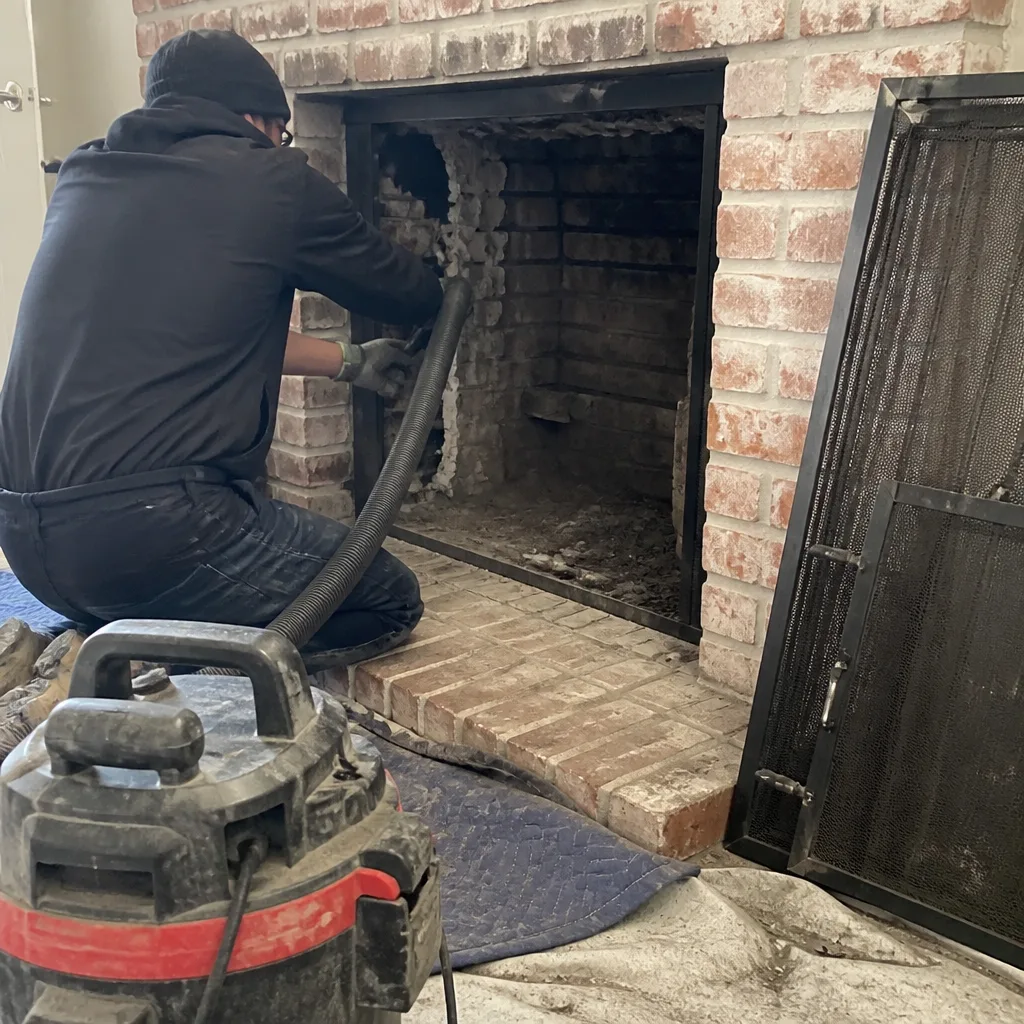
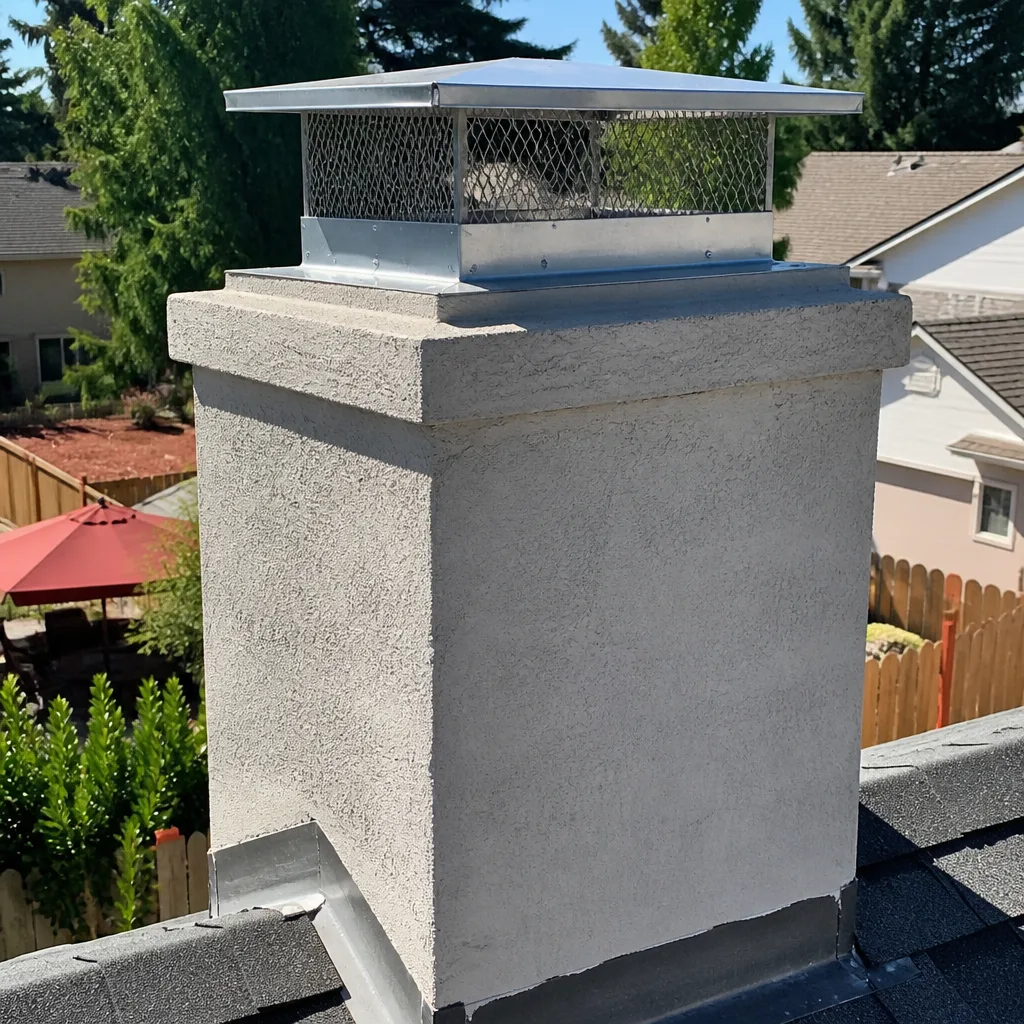
See the difference
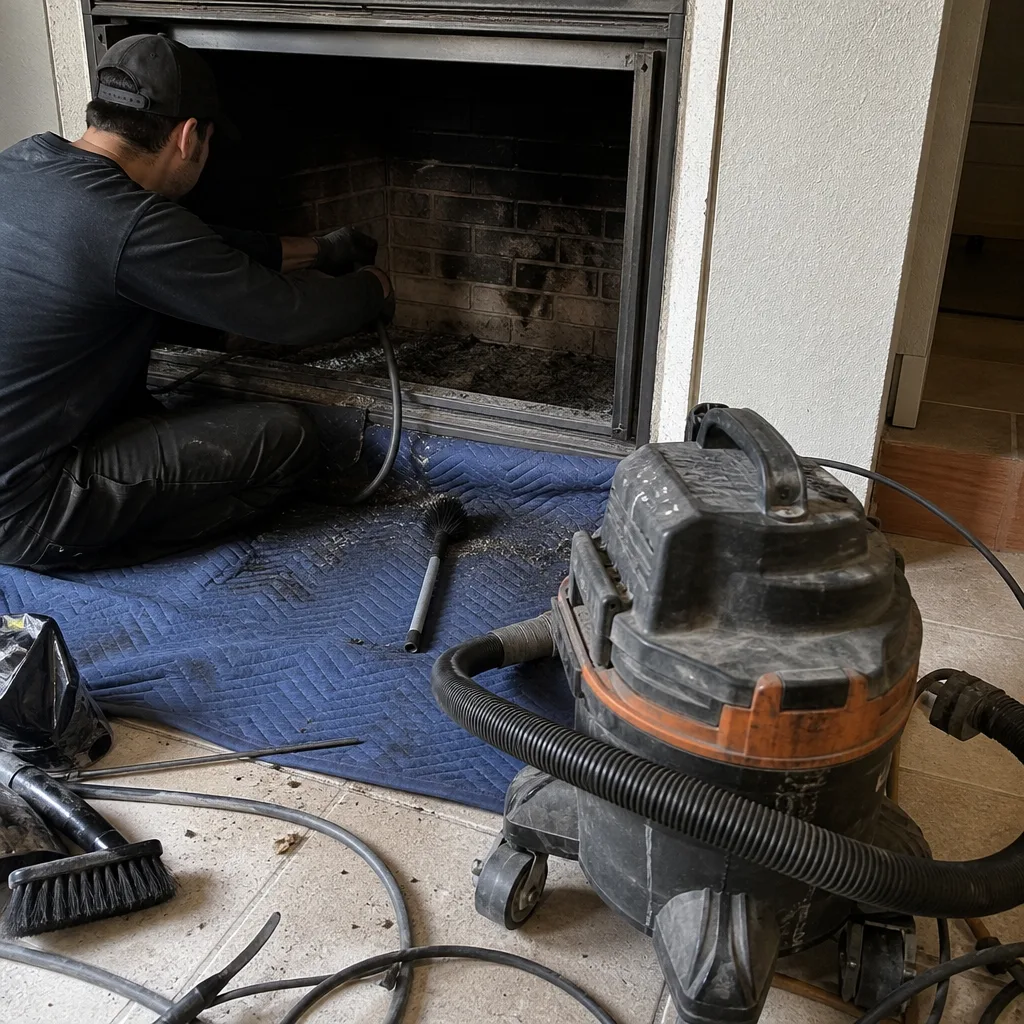 Before
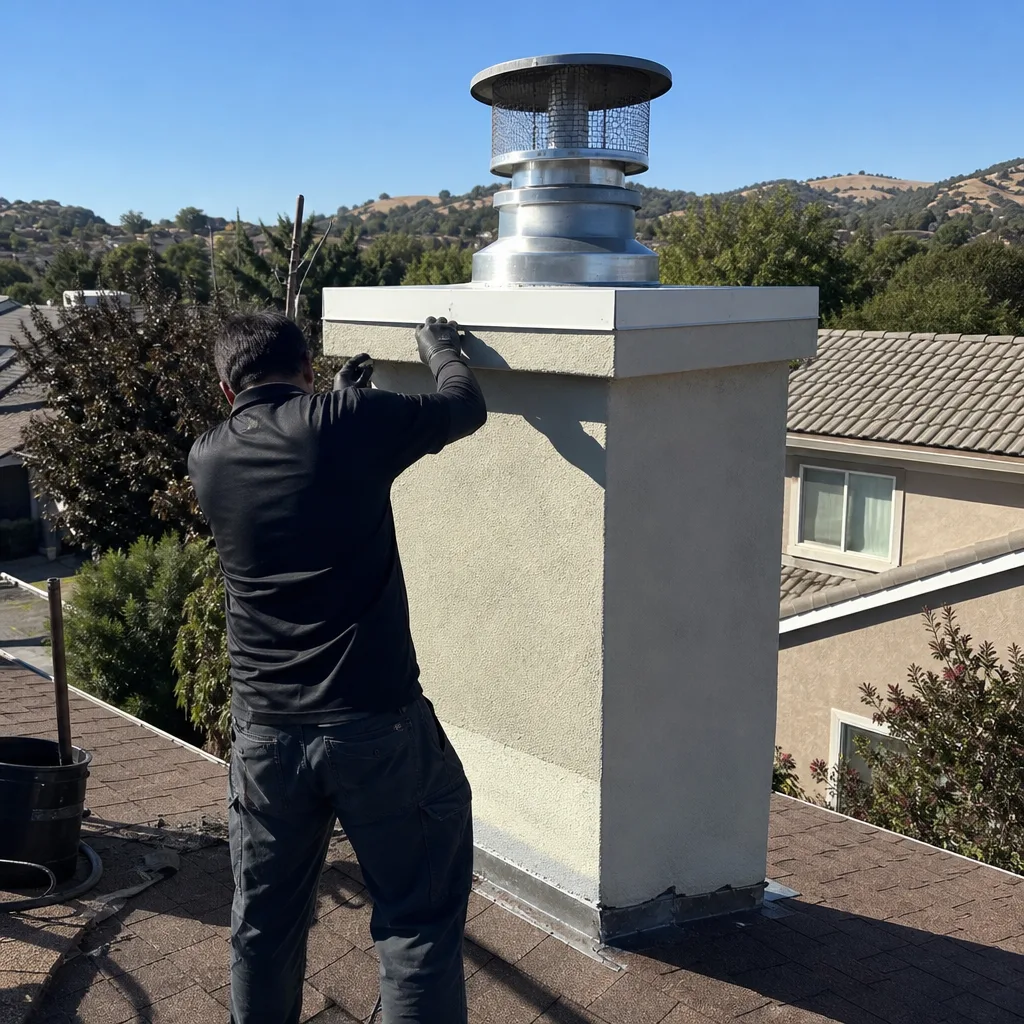 After
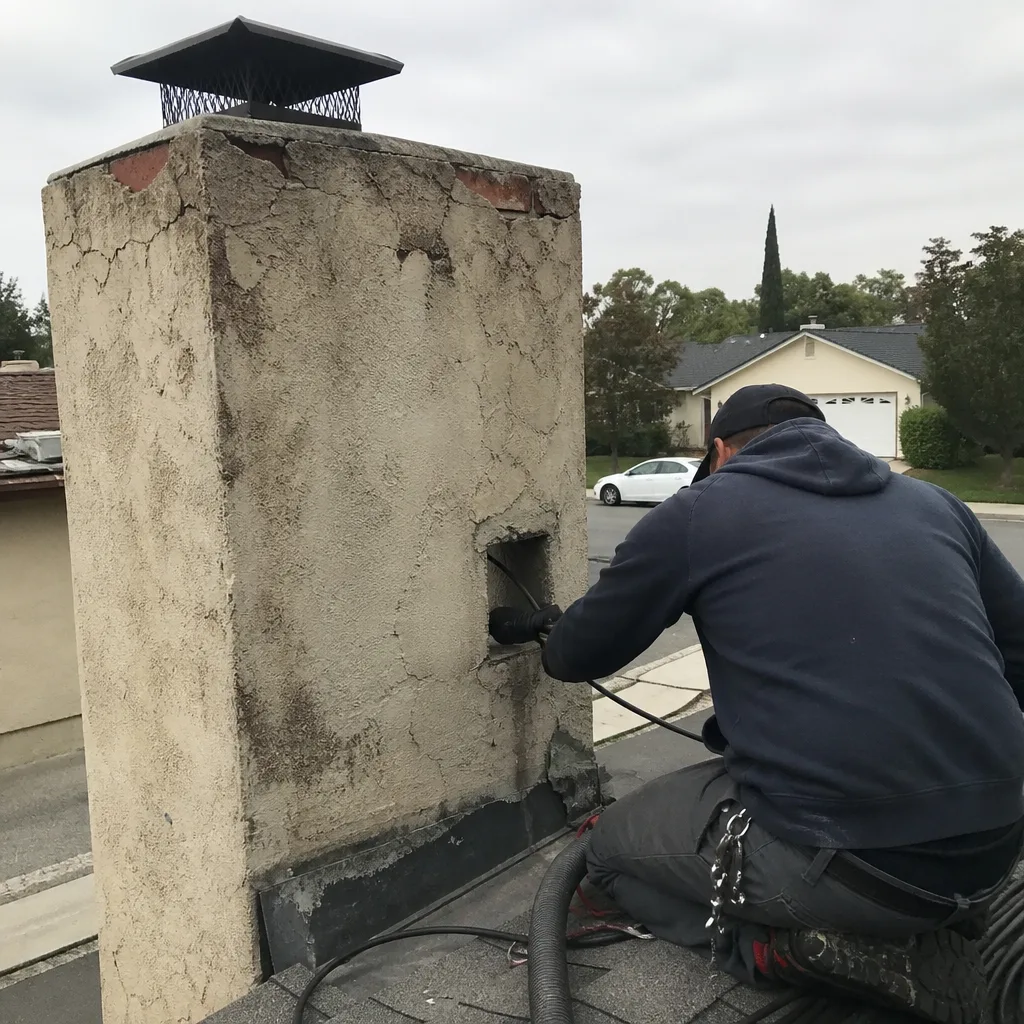 Before
 After
 Before
 After
When to Call a Professional
Specific scenarios warrant a call to a chimney professional, and the threshold is lower than most homeowners assume. If you notice cracked or spalling masonry on the exterior chimney, persistent water staining around the fireplace, visible smoke during normal operation, a strong creosote odor even when the fireplace is cold, or any sign of animal activity inside the flue, schedule an inspection. If you’ve experienced a suspected chimney fire, even a minor one, a Level 2 inspection is mandatory before relighting. If your dryer vent hasn’t been cleaned in over a year, or if the dryer is taking longer than normal to dry clothes, that vent needs attention. Chimney Sweep Berryessa offers free estimates in Berryessa for chimney sweeping, dryer vent cleaning, and chimney repair. Call (877) 610-3049 to schedule.
Frequently Asked Questions
You don’t know until it’s been professionally inspected. A visual inspection by a qualified technician checks the liner, damper, crown, and cap for obvious defects, and it establishes whether the creosote load is safe for burning. In older Berryessa homes with original clay tile liners, a Level 2 inspection with video scanning is the only way to confirm the liner is intact before heavy seasonal use.
A fast-burn flue fire typically sounds like a loud roaring or rushing sound, often compared to a freight train or jet engine. A slow creosote fire sounds like faint crackling or popping coming from inside the chimney, separate from the sound of the wood burning in the firebox. If you hear either sound and it’s not clearly coming from the firewood itself, close the damper if safe to do so and evacuate.
Yes, and that’s part of the danger. A slow creosote fire often burns itself out when the fuel is consumed or oxygen is restricted. The fire being out does not mean the chimney is undamaged. Flue temperatures during even a small fire can crack clay tile liners, and those cracks become heat and gas pathways on the next fire. Any suspected flue fire requires a Level 2 inspection before the fireplace is used again.
The time-tested standard from the Chimney Safety Institute of America and the NFPA is that chimneys should be swept when creosote accumulation reaches 1/8 inch. In practical terms, a wood-burning fireplace used regularly through the winter season should be swept annually. Gas fireplaces should be inspected annually, though they may not need sweeping as frequently. The exact interval depends on how often you burn and what you’re burning.
Yes. The NFPA identifies failure to clean dryer vents as a leading cause of residential dryer fires. Lint is highly combustible, and it accumulates inside the vent pipe over months of regular use, reducing airflow and increasing ignition risk. Homes that use the dryer daily should have the vent cleaned annually. Our dryer vent cleaning service in Berryessa addresses this specific risk, which most chimney-only companies don’t handle.
Evacuate immediately and call 911 from outside. Do not open the windows and wait to see if the alarm clears. Do not go back inside to open the damper or investigate. The fire department will assess the situation and determine when it’s safe to re-enter. After the incident, have the chimney inspected before using the fireplace again. Call (877) 610-3049 for an evaluation.
The Bottom Line
Chimney emergency preparedness is a combination of knowledge and action. Know the three emergency types and how they present. Know the response sequence and practice it until it’s automatic. Have your chimney’s risk profile documented through a professional inspection, and keep that documentation accessible. Address maintenance on a schedule, not reactively. And if an incident does occur, follow post-incident protocol without cutting corners. The homeowners who emerge from chimney emergencies with minimal damage are the ones who recognized the warning signs early and responded correctly. Berryessa’s older housing stock makes this particularly relevant; the time to prepare is now, not when the fire is already burning. For a comprehensive chimney inspection or any Chimney Sweep Berryessa home service need, call (877) 610-3049.
Written by the team at Chimney Sweep Berryessa, serving Berryessa since 2013.