
Last updated November 3, 2026
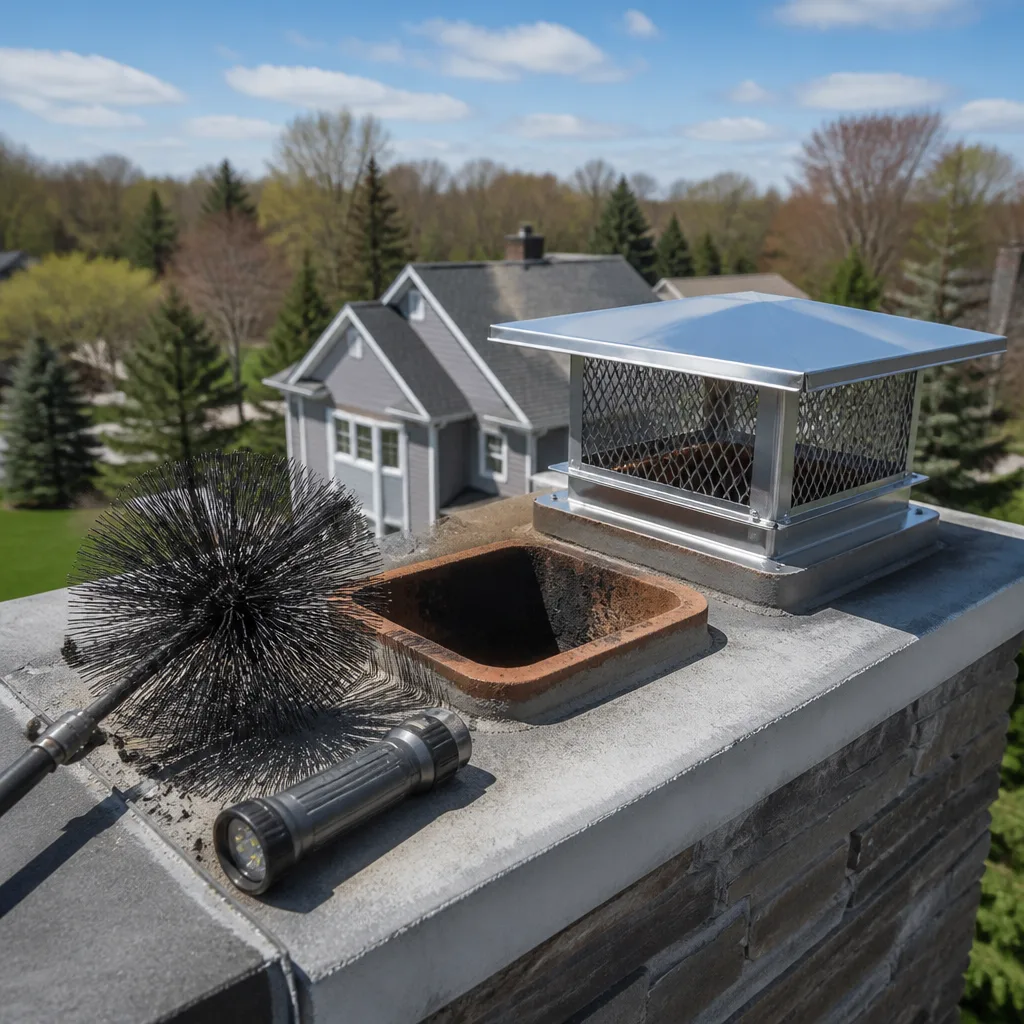 Sweep & inspection
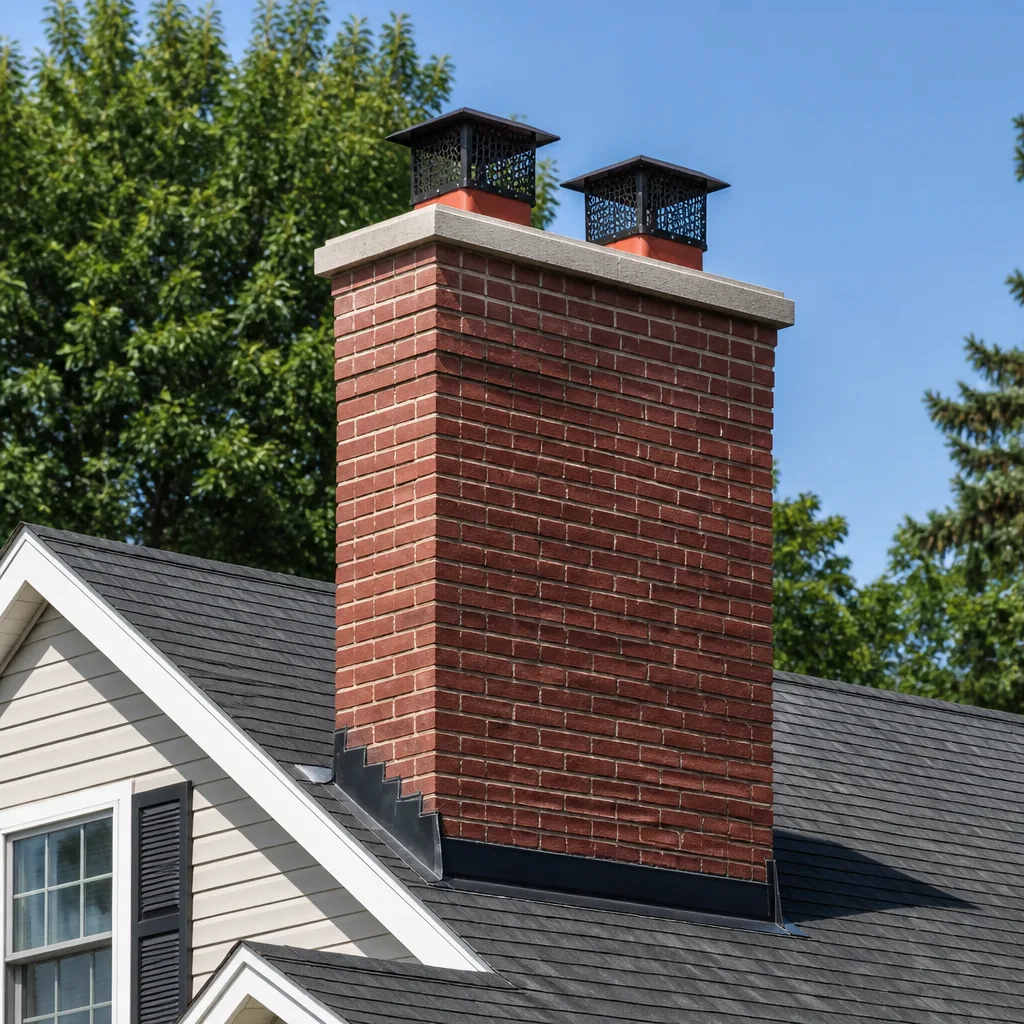 Caps & crowns
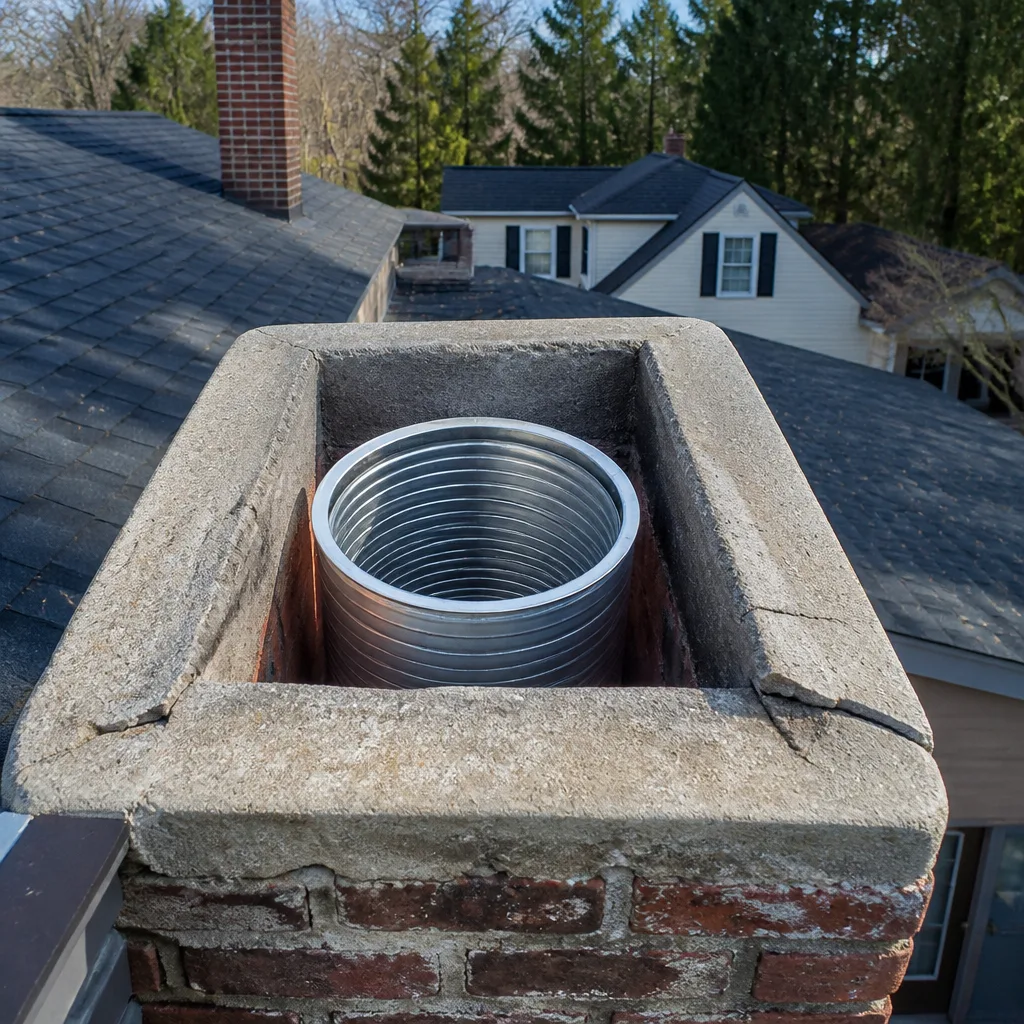 Flue relining
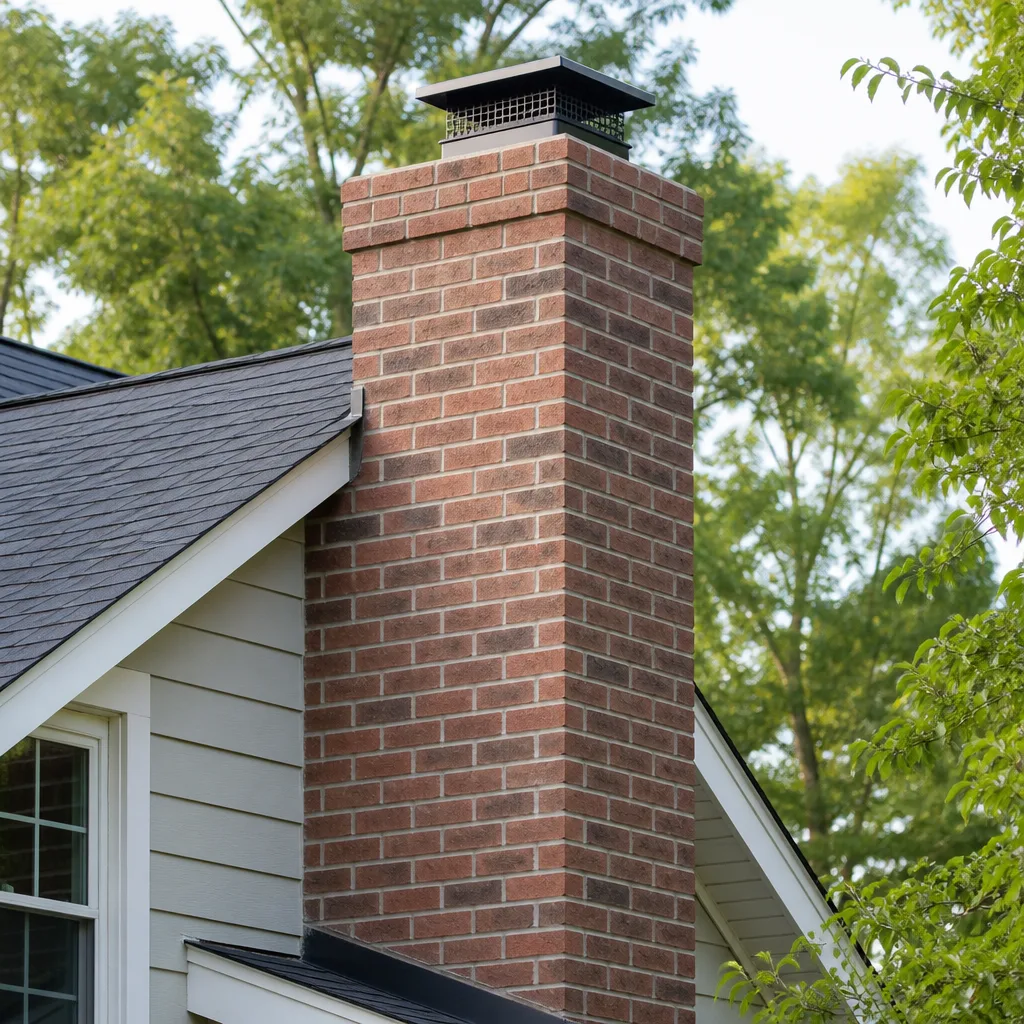 Masonry repair
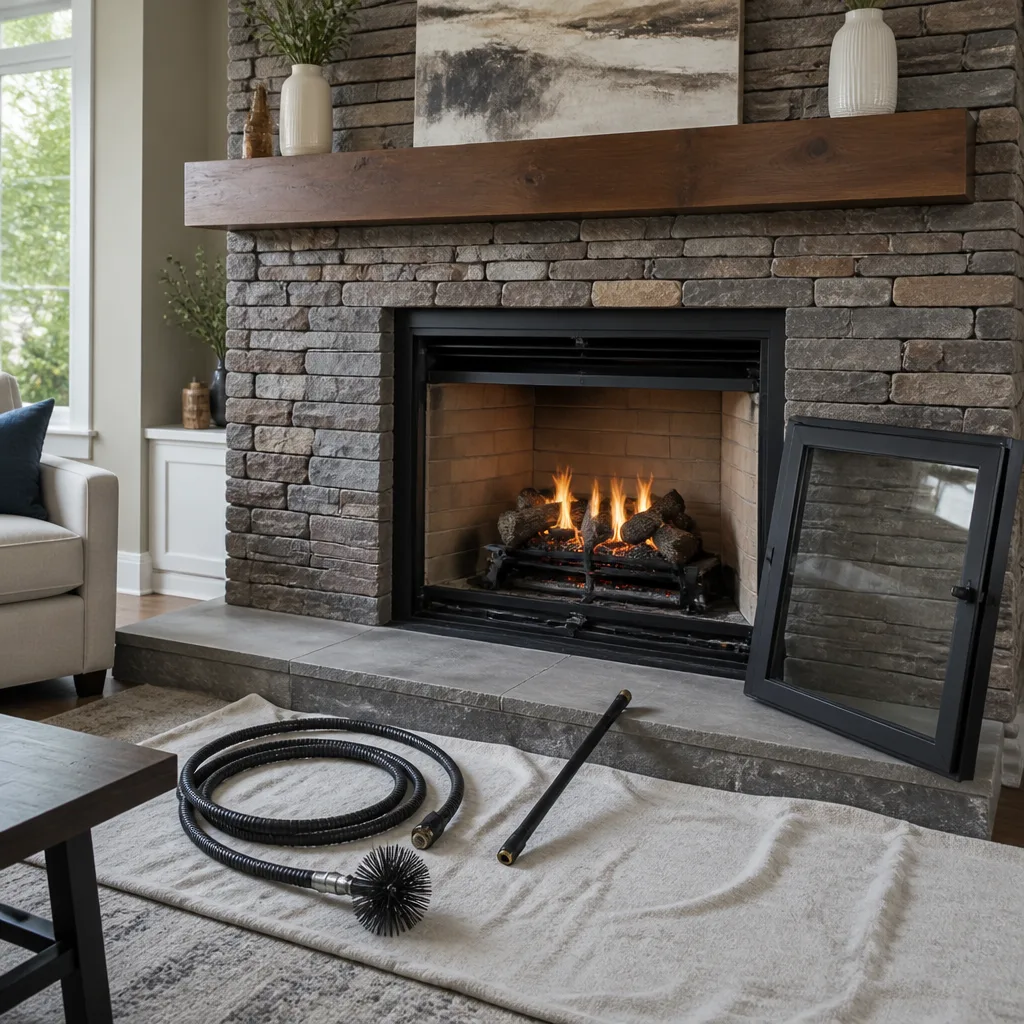 Gas fireplace service
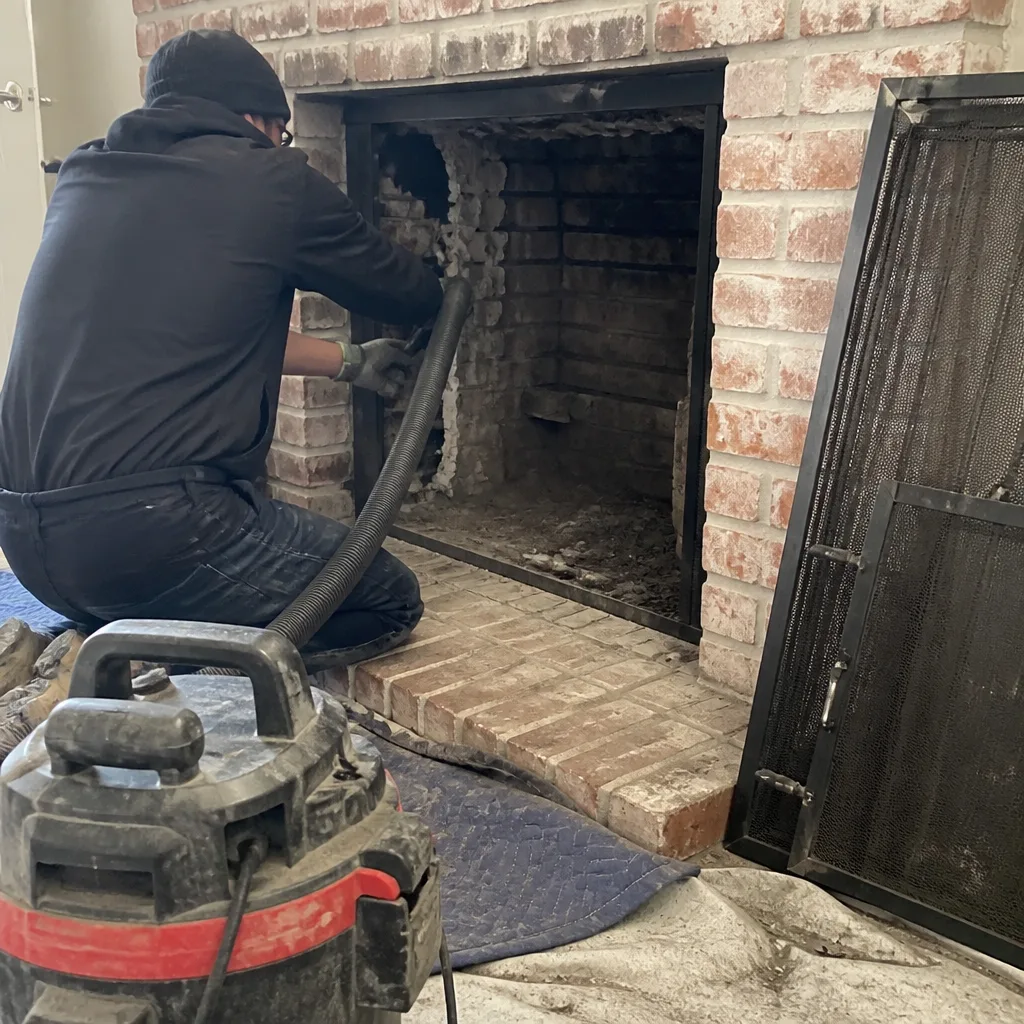
Level 1 sweep and inspection to the NFPA 211 annual standard - flue, crown, cap, and flashing checked and photographed
Chimney sweep logs do not sweep chimneys. They loosen some creosote - which then falls where a brush and vacuum still have to collect it.
Choosing the Right Chimney Cleaning Brand: A Buyer’s Guide for Berryessa
Most homeowners in Berryessa shop for chimney service the same way they shop for a plumber: check availability, compare the hourly rate, hope for the best. That approach misses the entire materials question. The brands your chimney contractor stocks and specifies determine whether a repair lasts three years or thirty, whether a cap actually blocks rain during a Berryessa winter, and whether a liner repair meets EPA thresholds. This guide explains what the leading professional brands actually do, why they cost what they cost, and how to use that knowledge to vet any contractor you invite onto your roof. For more background, see our The Complete Chimney Sweep Guide for Berryessa Homeowners.
Styles & brands we work with
- Sweep & inspection
- Caps & crowns
- Flue relining
- Masonry repair
- Gas fireplace service
Quick Answer
The right chimney cleaning brand isn’t one product – it’s a materials portfolio. For Berryessa homes, look for a contractor who works with HeatShield Cerfractory Flue Sealant for liner repair, Olympia Chimney or Copperfield caps for moisture protection, and DuraFlex liner systems when full relining is necessary. If a contractor can’t name the products they use, that’s a warning sign that their quote may be based on generic or substituted materials.
Table of Contents
- Why Chimney Product Brands Matter More Than Most Homeowners Realize
- HeatShield Cerfractory Flue Sealant: What It Is and When It Replaces a Liner
- DuraFlex Liner Systems: When a Full Reline Is the Only Honest Answer
- Olympia Chimney Caps vs. Generic Galvanized Caps: The Coastal California Difference
- Gelco Products: Where Professional Repair Kits Outperform DIY Alternatives
- What ‘Professional-Grade’ Actually Means in Berryessa
- How to Use Brand Knowledge as a Contractor Screening Question
- Common Mistakes to Avoid
- When to Call a Professional
- Frequently Asked Questions
- The Bottom Line
Why Chimney Product Brands Matter More Than Most Homeowners Realize
Chimney sweeping looks simple from the outside. Brushes go up, soot comes down, invoice gets paid. But the difference between a good chimney service and a cut-rate one shows up in the materials they specify when the sweep reveals a problem. A cracked flue tile or a rusted cap isn’t a cleaning issue – it’s a materials decision. And in Berryessa, where winter rain and coastal-adjacent humidity accelerate metal corrosion and mortar breakdown, that decision has a direct line to household fire safety.
The brands a contractor uses tell you two things. First, whether they have access to professional supply channels. Companies like Olympia Chimney, Famco, and Copperfield sell through distribution networks that require contractor accounts, not retail shelves. Second, whether the contractor stocks materials on-site or sub-contracts the repair to someone else. A sweep who finds a cracked liner and hands you a phone number for “a guy” isn’t offering full service. A sweep who opens the truck and pulls a repair kit off the shelf is. That’s the core distinction this guide is built around.
In our work across Berryessa, we’ve seen the full range: chimneys with generic caps rusted through after five years, liners patched with mortar that crumbled after two seasons, and venting components that were never designed for wood-burning temperatures. None of those failures came from products made by the companies we’ll discuss below. That’s the point. Materials matter because the fireplace is the one appliance in your home that deliberately contains fire.
HeatShield Cerfractory Flue Sealant: What It Is and When It Replaces a Liner
HeatShield is a cerfractory flue sealant – a ceramic and refractory blend engineered to repair cracked flue liners from the inside. Think of it as a structural coating applied to the interior surface of the flue, not a caulk or a paint. It bonds to the existing clay tile or masonry liner and restores a continuous, heat-resistant surface without removing the original structure. In many cases it’s the difference between a $2,500 repair and a $7,000 full reline.
What makes HeatShield significant isn’t marketing. It’s EPA recognition. HeatShield’s Cerfractory Flue Sealant is recognized by the EPA as an alternative to full liner replacement under specific conditions – namely, when the original liner is structurally intact enough to support the coating and the damage consists of cracks, gaps, or spalling rather than complete collapse. No DIY product carries that designation. No generic fireclay patch does either.
Here’s when HeatShield applies, based on what we see in Berryessa chimneys:
- Cracked flue tiles from repeated heating and cooling cycles, especially common in older single-story homes with masonry chimneys built in the 1960s and 1970s.
- Gaps at mortar joints where the original clay liner sections have shifted or settled.
- Spalling surfaces where the liner interior has begun to flake and shed material into the flue passage.
- Pre-listing inspections when a home sale requires a declared repair rather than a recommendation to monitor.
The key limitation: HeatShield is not a structural rebuild. If the flue has collapsed, if the liner sections have separated entirely, or if the chimney itself is leaning, sealing the interior surface won’t fix the underlying problem. A reputable contractor tells you when resurfacing isn’t appropriate. That’s the difference between a recommendation based on material science and one based on availability. In Berryessa, we’ve applied HeatShield to chimneys that other companies quoted for full relining – and we’ve also recommended full relining when HeatShield would have been the wrong tool. The material doesn’t make the decision. The condition does.
DuraFlex Liner Systems: When a Full Reline Is the Only Honest Answer
DuraFlex is a brand of flexible stainless steel chimney liner systems. When a flue is too damaged for resurfacing – collapsed tiles, severe separation, a chimney fire that’s compromised the structure – the correct repair is a reline. A DuraFlex liner is a continuous stainless tube installed inside the existing flue passage, creating a new, code-compliant venting path for the appliance. It’s the gold standard brand in professional chimney work for a reason: the alloy grade is consistent, the components are manufactured to fit together without field improvisation, and the system is listed for the temperatures that wood-burning and gas appliances actually produce.
The honest-answer part matters. Some companies push relining on every chimney they inspect because the invoice is larger. Others default to a sweep-and-go because they don’t stock liners or don’t have crews trained to install them. Both approaches fail the homeowner. The right approach starts with a camera inspection that shows you the actual condition of your flue, then matches the repair to what the camera found. That’s why Chimney Repair in Berryessa always includes video evidence before any recommendation.
DuraFlex liners matter in Berryessa specifically because many older homes here have chimneys built with clay tile liners sized for masonry fireplaces. When those tiles crack, the venting path is compromised. A DuraFlex liner restores that path with a smooth stainless interior that outperforms the original clay in one key way: it doesn’t crack when heated unevenly. Clay tiles fail because they expand and contract at different rates than the surrounding masonry. Stainless steel flexes. That’s the material science answer to why a properly installed DuraFlex liner is a fifty-year fix, not a five-year patch.
Olympia Chimney Caps vs. Generic Galvanized Caps: The Coastal California Difference
Chimney caps are the easiest place for a contractor to cut corners. A generic galvanized cap from a hardware store might cost $40. An Olympia Chimney cap, specified for the flue size and the appliance type, runs two to four times that. The difference isn’t cosmetic. It’s metallurgy and fit.
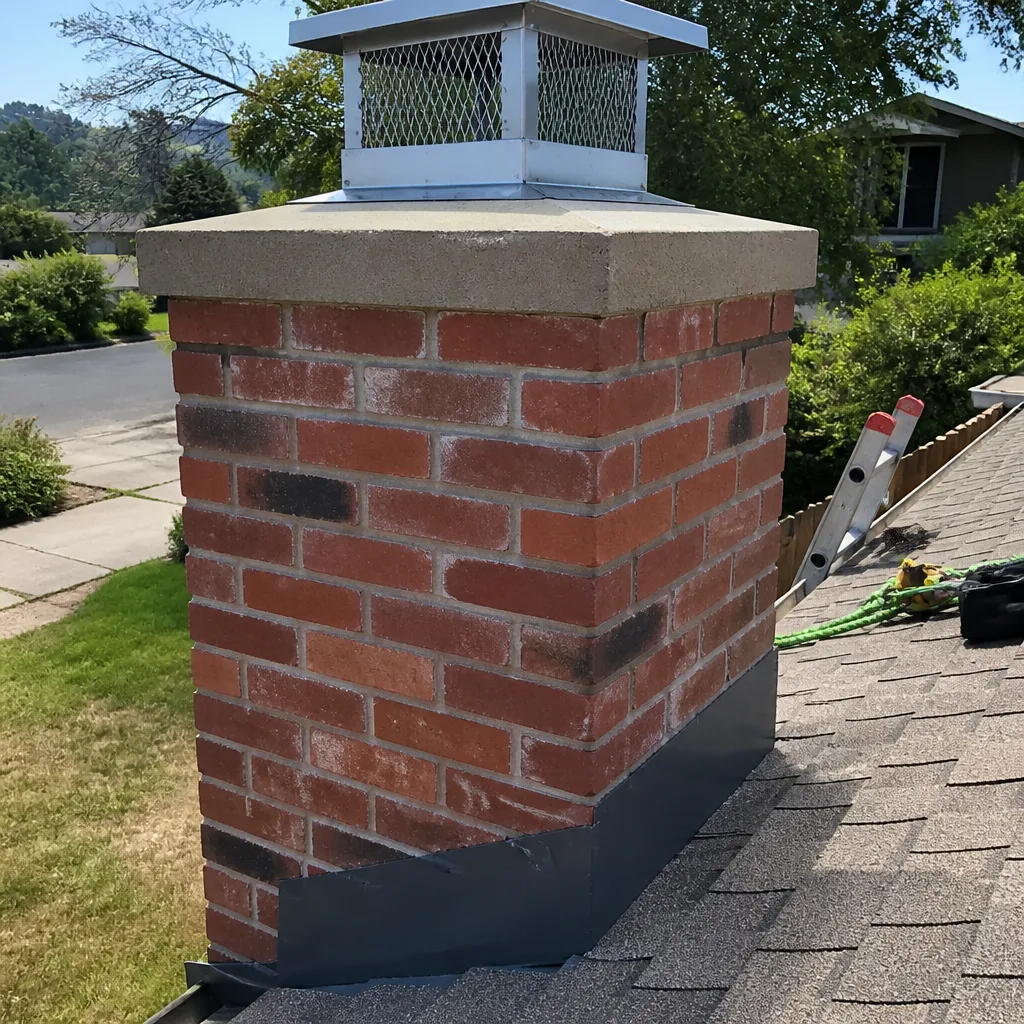
Galvanized steel is steel coated with zinc. That zinc layer is sacrificial – it corrodes first, protecting the steel underneath for a while. In a dry inland climate, a galvanized cap might last a decade. In Berryessa, with winter rain, morning fog, and salt air influence from the coast, the zinc layer breaks down faster. Once it’s gone, the steel rusts. A rusted cap doesn’t just look bad. It sheds rust flakes into the flue, and more critically, it stops doing its job: keeping rain out. Water entry is the number one cause of chimney masonry deterioration. A failed cap becomes a structural liability.
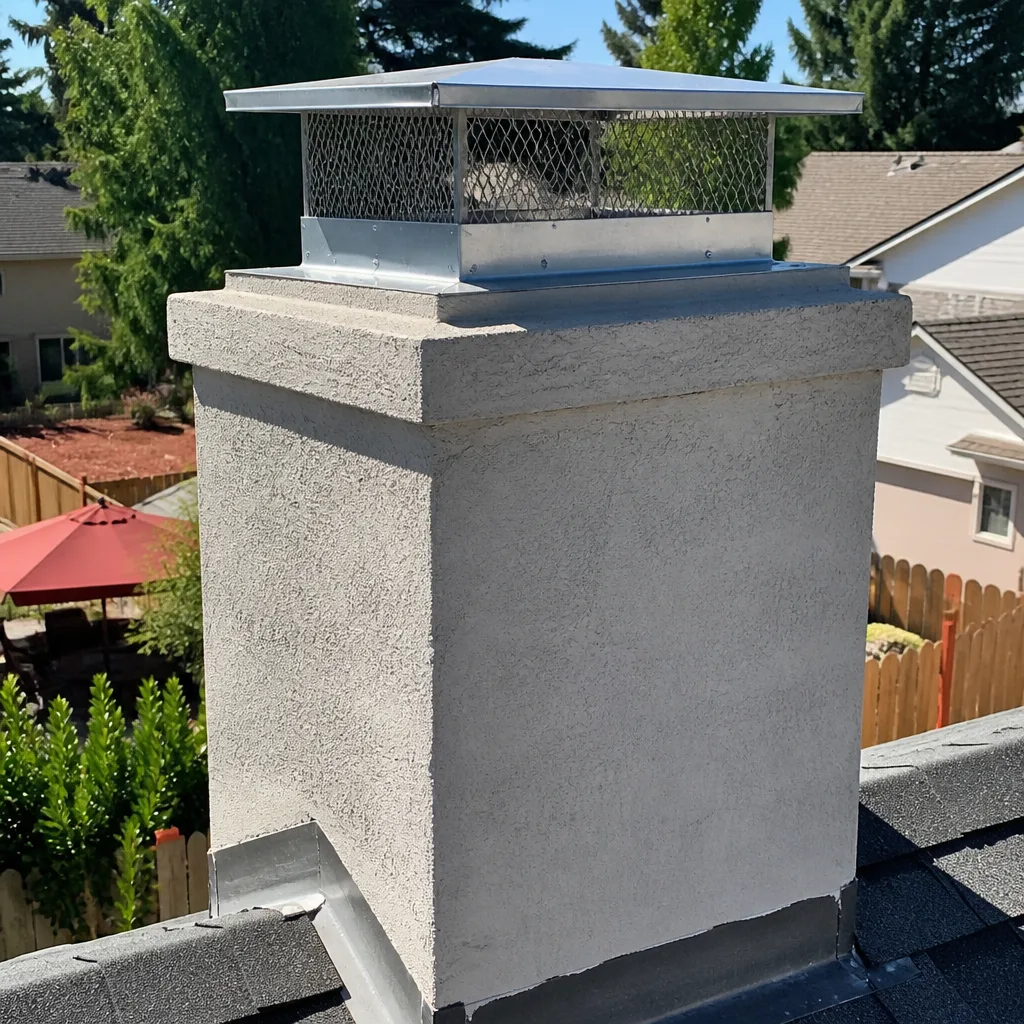
Olympia Chimney and Copperfield caps are built from stainless steel or copper, materials that don’t depend on a sacrificial coating. They’re also manufactured to match specific flue dimensions rather than being a universal-fit product clamped into place. That fit matters in Berryessa because many chimneys here have irregular or oversize flue openings from original construction. A universal cap installed on an imperfect fit leaves gaps. Rain finds gaps. The cap becomes decorative instead of functional.
When we inspect a Berryessa chimney and find a generic galvanized cap showing rust, we replace it with an Olympia or Copperfield cap as part of a broader repair scope. It’s not an upsell. It’s the difference between protecting the chimney and waiting for water damage to force a much larger repair. The cap is the cheapest insurance you can buy for a masonry chimney.
Gelco Products: Where Professional Repair Kits Outperform DIY Alternatives
Gelco is a less visible brand in consumer searches but a workhorse in professional chimney repair. The company manufactures a range of products used in masonry chimney work: crown coats, flashing materials, water repellents, and repair compounds. Where HeatShield addresses the flue interior and DuraFlex addresses the venting path, Gelco products address the chimney exterior – the crown, the flashing line, and the masonry surfaces exposed to Berryessa’s wet winters.
The practical distinction between a Gelco product and a DIY alternative is temperature stability and adhesion. A homeowner can buy a $25 tub of roofing cement and smear it across a cracked crown. It will look sealed for about eight months, then crack again because roofing cement isn’t formulated for the expansion cycles of a masonry chimney. Gelco’s crown repair products are engineered for exactly that application: standing up to repeated heat cycling, UV exposure, and water contact without losing bond. The same applies to their water repellents, which are vapor-permeable – a detail that sounds technical but matters more than most people realize. A chimney masonry that traps moisture while blocking liquid water will spall from the inside. A vapor-permeable repellent lets the masonry breathe while keeping rain out. Getting that distinction wrong is how chimneys get destroyed by well-intentioned waterproofing.
In our toolkit, Gelco products are the default when a Berryessa chimney inspection reveals crown cracks, deteriorated flashing, or masonry that’s absorbing water faster than it’s shedding it. The products aren’t flashy brands you’ll see advertised in big-box stores. That’s the point. The brands professionals rely on are distributed through channels that keep them off retail shelves, which means a contractor either has a supply account or they don’t. It’s a binary signal about whether that contractor is doing repair work or just calling it that on the invoice.
What ‘Professional-Grade’ Actually Means in Berryessa
Take the phrase apart and it means two things: supply chain access and on-site capability. A contractor who stocks DuraFlex liners, HeatShield sealant, and Olympia caps has accounts with professional chimney distributors. That means they can order materials that aren’t available to the general public and they do it regularly enough to justify the account. It also means they install enough volume of these products that the distributor considers them a reliable partner. Both of those things translate to competence on your roof.
On-site capability is the second half. A company that finds a cracked flue tile during a routine Chimney Sweep in Berryessa can go two directions. The first is a written report that tells you to find a repair specialist. The second is pulling materials off the truck and scheduling the repair. The first is a dead end. The second is a full-service operation. Berryessa homeowners should expect the second option if they’re paying for anything more than a basic sweep.
Here’s what professional-grade looks like in practice:
- Camera inspection before any recommendation. You see the crack, the gap, or the rust. Nobody asks you to take a materials list on faith.
- Brand specificity on the quote. The proposal says “HeatShield Cerfractory Flue Sealant” or “DuraFlex 316L liner,” not “flue repair materials” or “standard cap.”
- Materials on-site or a concrete delivery schedule. Full-service providers stock common sizes and order specialty items from their distributor, then install the same week. They don’t sub the work out.
- A single point of contact from diagnosis through installation. The person who finds the problem is connected to the person who fixes it, and both work for the same company.
That last point matters more in Berryessa than in a larger city. We’re a defined community with older housing stock and distinctive chimney construction from the 1950s through the 1980s. A contractor who works here regularly knows those chimneys. A contractor from forty miles away sees them as interchangeable with any other roof. Full-service capability is the difference between a company that knows your chimney type and one that’s figuring it out at your expense.
How to Use Brand Knowledge as a Contractor Screening Question
You don’t need to become a chimney materials expert to screen contractors effectively. You need to ask three questions and listen for three answers. Here’s the sequence we recommend for any Berryessa homeowner comparing quotes:
- “What product do you use for flue repair, and why?” A full-service contractor names the product: HeatShield, DuraFlex, or another recognized brand, and can explain what condition calls for which. A sweep-only company says they don’t do repairs or refers you elsewhere. A cut-rate operator says they use “a sealant” or “whatever works.” The inability to name the product is the answer. It means they don’t stock it, don’t install it, or both.
- “Do you stock liner and cap materials on-site, or order per job?” Stocking doesn’t just mean the truck has materials. It means the company does enough repair volume to justify maintaining an inventory. A company that orders every liner and cap per-job is doing one-off work. That’s not disqualifying, but it’s not the same operational profile as a full-service provider.
- “Will I get camera footage of what you find, and what happens if you find something?” The camera footage question is the honesty test. No reputable contractor in 2026 operates without a camera. The second half of the question reveals the service model. “We’ll write it up and you can call a repair company” is not the answer you want. “We’ll show you the footage, explain what it means, and schedule the fix through the same company” is what full-service means.
What you’re doing with these questions isn’t testing trivia knowledge. You’re testing operational depth. A contractor who has a professional distributor account, stocks materials, and handles repair in-house knows the brand names because the brands are part of their daily vocabulary. A contractor who doesn’t know them has never opened a distributor catalog. That’s not a knowledge gap. That’s a service scope disclosure.
In Berryessa specifically, we hear from homeowners who got a sweep-only service, received a written report recommending “further evaluation” of a cracked flue, and then spent weeks trying to find a repair specialist. That’s the runaround, and it’s entirely avoidable. A full-service company closes that loop on the first visit. One call covers sweep, Dryer Vent Cleaning in Berryessa, and repair if the inspection finds damage. The brands we’ve discussed here are the reason that loop can close without handing the homeowner a referral list.
Common Mistakes to Avoid
- Choosing a quote based on the sweep price alone. A $99 sweep that comes with a $4,000 written report recommendation you didn’t expect is not a bargain. Understand what the inspection includes and what repair capability the company has before comparing numbers.
- Approving a “flue sealant” without asking what product is being used. Generic sealants fail within seasons. Named products like HeatShield carry EPA recognition and manufacturer specifications. If the quote doesn’t name the product, ask why.
- Accepting a universal-fit cap as equivalent to a specified cap. Berryessa’s rain profile makes cap fit a structural issue, not a cosmetic one. In our inspections, generic caps are among the most common sources of water entry we document.
- Waterproofing a chimney with the wrong product. Vapor-impermeable sealers trap moisture inside masonry and accelerate spalling. Gelco and other professional water repellents are formulated to be vapor-permeable for a reason.
- Deferring a cracked flue recommendation. A cracked flue is a fire safety issue, not a maintenance suggestion. Gas and wood-burning appliances both vent hot gases and carbon monoxide through that path. Deferring the repair doesn’t defer the risk.
- Using a sweep-only company for a chimney that hasn’t been inspected in years. Older Berryessa chimneys often need more than a sweep. A sweep-only visit leaves you with a report and a referral. A full-service visit leaves you with a completed repair and footage proving the condition was resolved.
- Ignoring the dryer vent. The NFPA identifies failure to clean dryer vents as a leading cause of dryer fires. A chimney company that also handles dryer vents can address both fire risks in one Chimney Sweep Berryessa home visit rather than hiring separate contractors.
When to Call a Professional
If you haven’t had a chimney inspection in twelve months or more, the answer is now. If you’ve noticed water staining on the ceiling near the chimney, crumbling mortar on the exterior, or a burning smell that doesn’t match the fire, don’t wait for the next heating season. Cracked flues, failed caps, and deteriorated crowns don’t self-heal. They compound. A chimney that needed a $400 repair this year can need a $7,000 reline two years from now because water kept getting in and heat kept stressing the damaged tiles. The same goes for dryer vents: if laundry takes longer than it used to, or the vent hasn’t been cleaned in two years or more, the lint load is a fire hazard, not just an efficiency issue. Chimney Sweep Berryessa offers free estimates in Berryessa – call (877) 610-3049.
Frequently Asked Questions
Chimney sweeps in Berryessa typically range from $150 to $300 depending on chimney height, accessibility, and whether the flue needs a standard cleaning or a more extensive creosote removal. The quote should include a camera inspection and a written report. Call (877) 610-3049 for an exact quote – estimates are free.
You need a camera inspection to see the actual condition of the flue. Small cracks and gaps can often be repaired with HeatShield Cerfractory Flue Sealant, while collapsed tiles or severe separation require a full reline with a system like DuraFlex. No one should recommend either path without showing you footage of the flue interior.
Wood-burning fireplaces should be swept after every cord of wood burned, or at least annually if used regularly through the rainy-season months. Gas fireplaces should be inspected annually even though they don’t produce creosote, because venting issues and carbon monoxide risks still accumulate. Berryessa’s winter-adjacent burning season makes an early fall inspection the smartest schedule.
Some do, and some don’t. Dryer Vent Cleaning in Berryessa is offered as a dedicated service by companies that take whole-home venting safety seriously. If your chimney provider doesn’t handle dryer vents, you’re managing two separate contractors for related fire risks.
Galvanized caps depend on a zinc coating that corrodes in Berryessa’s winter rain and coastal humidity, typically failing within five to ten years. Stainless steel or copper caps from Olympia Chimney or Copperfield don’t depend on a sacrificial coating and are specified to the flue dimensions rather than universal fit. The lifespan difference is measured in decades, not years.
HeatShield Cerfractory Flue Sealant is a permanent repair when applied to a liner that’s structurally intact with repairable cracks and gaps. It’s the only flue sealant recognized by the EPA as an alternative to full liner replacement under those conditions. If the liner has collapsed or separated, HeatShield is not appropriate, and a full reline is the only honest recommendation.
The Bottom Line
The brands behind chimney repair work aren’t a marketing layer. They’re the material difference between a fix that holds and a patch that fails. HeatShield resurfacing, DuraFlex relining, Olympia and Copperfield caps, and Gelco exterior products each serve a specific role in a chimney that works safely and stays dry. Berryessa homeowners who ask the right questions about those brands don’t just get a cleaner chimney – they get an inspection that leads to an actual solution instead of a written report and a referral. Sweep. Inspect. Repair. All from one company. That’s the full-service standard, and it’s the standard you should demand before anyone sets foot on your roof. Browse our more guides & resources for additional homeowner tools.
Written by the team at Chimney Sweep Berryessa, serving Berryessa since 2013.
See the difference
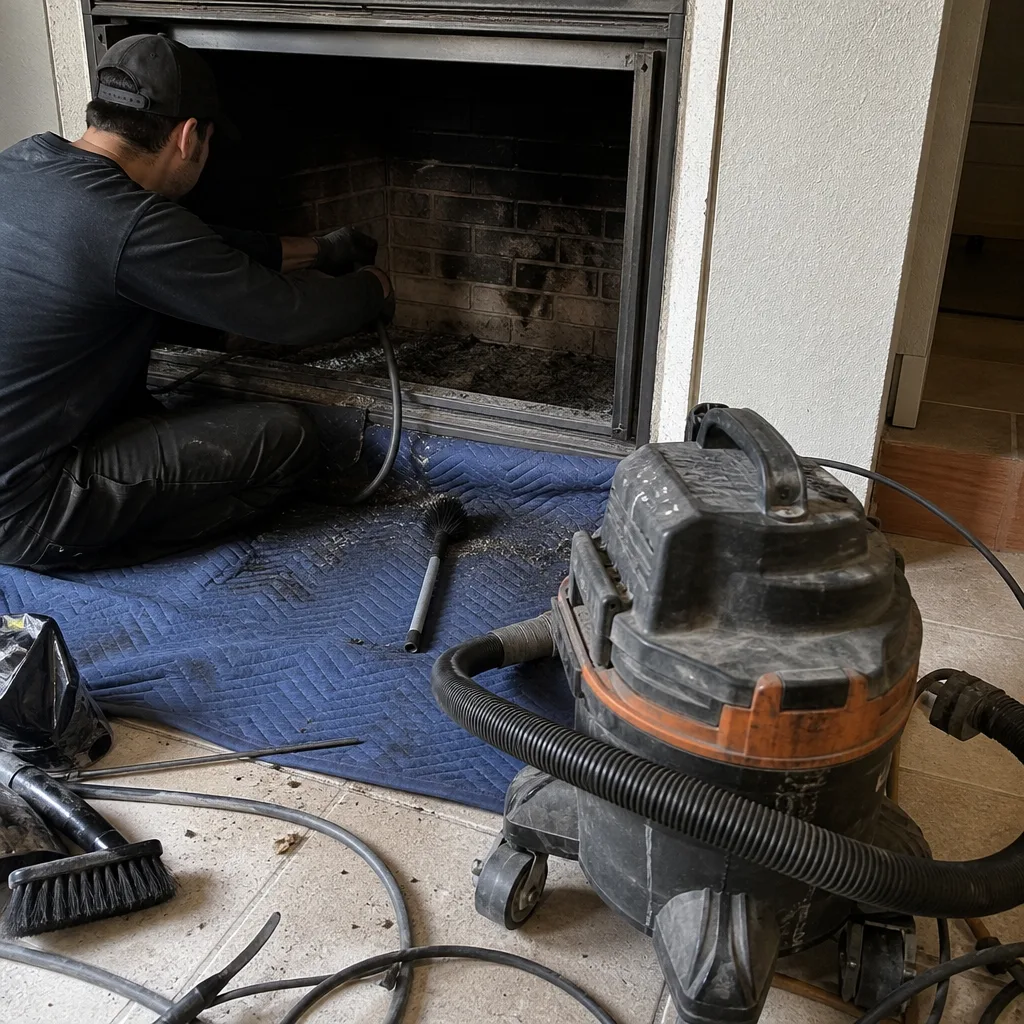 Before
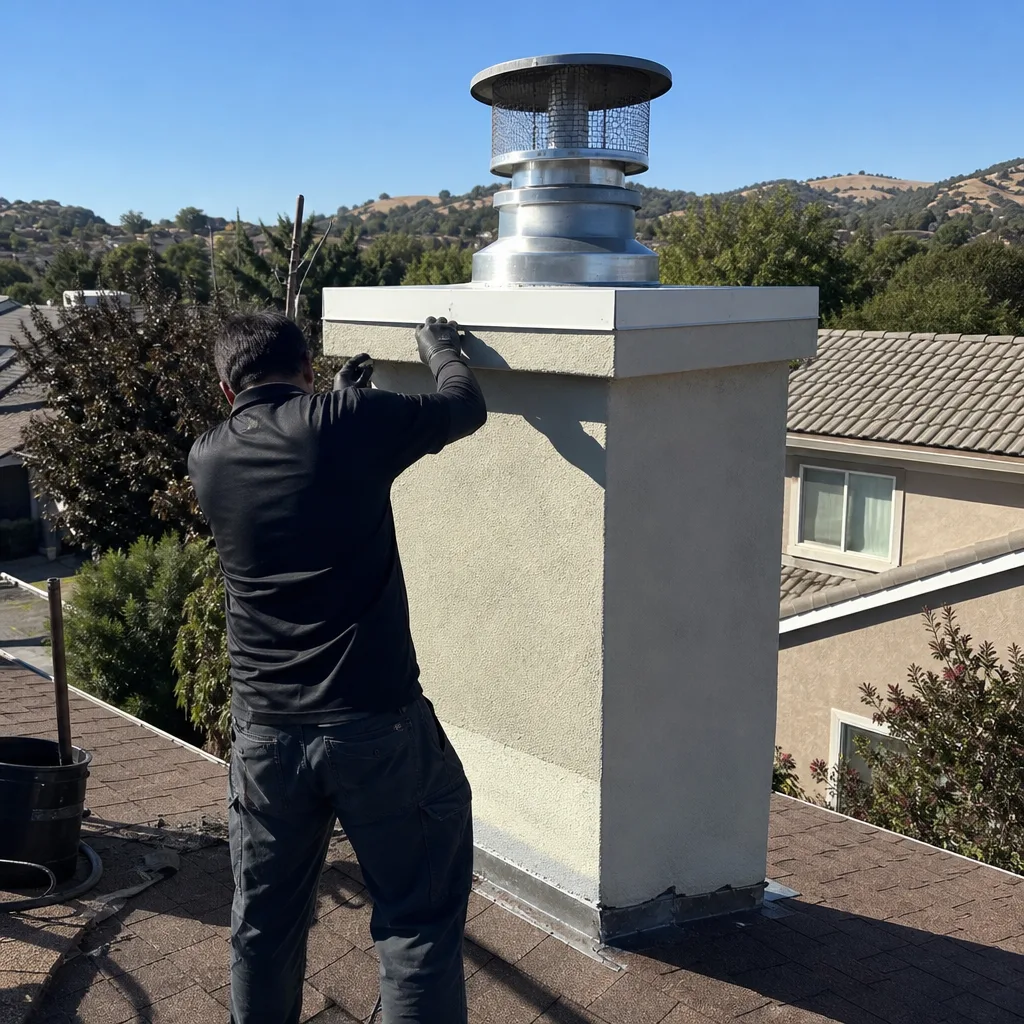 After
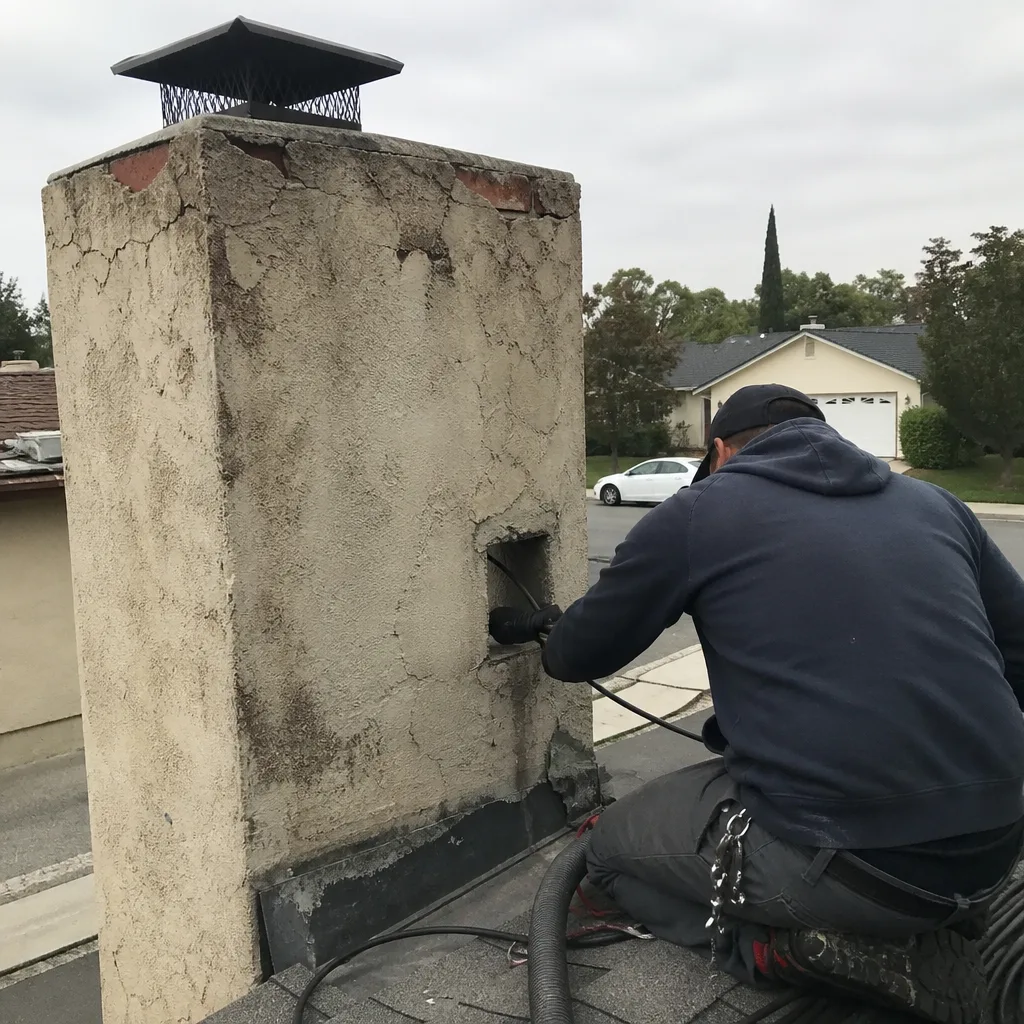 Before
 After
 Before
 After